
Side Dishes
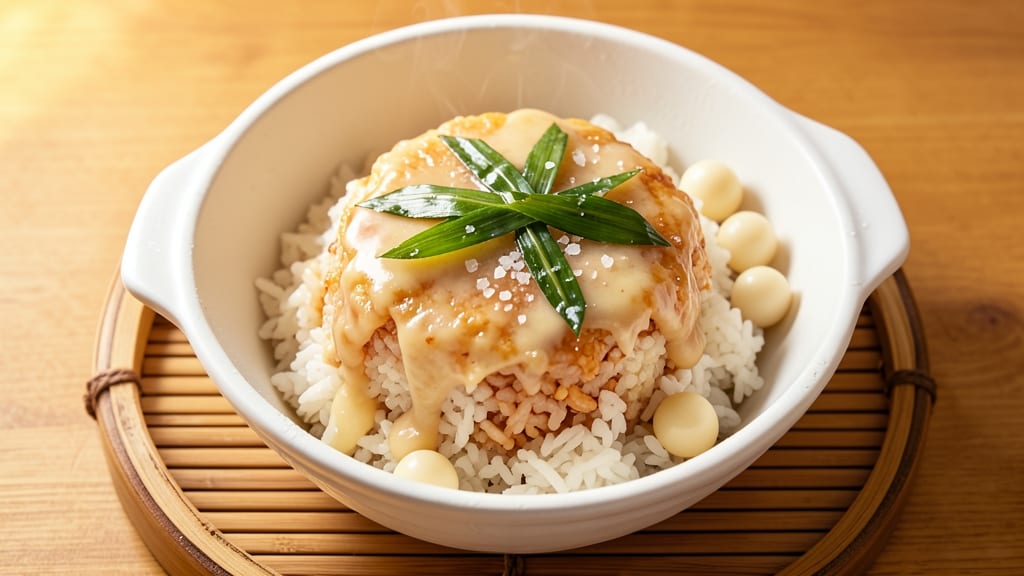
This Chinese steamed sticky rice recipe transforms simple jasmine rice into a fragrant, melt-in-your-mouth dessert that's become my go-to for special occasions. The secret lies in combining coconut milk with pandan leaves, creating an aroma that instantly transports you to a bustling Asian market.
I've perfected this technique over years of testing, ensuring the rice stays perfectly sticky without turning mushy.
The process is simpler than you might think, requiring just a few key ingredients and a steamer. Jasmine rice absorbs the coconut milk beautifully, while sugar and pandan infuse the grains with sweet floral notes.
What makes this recipe special is how the coconut cream creates that signature velvety texture that's impossible to resist. Every bite delivers a perfect balance of sweetness and aroma that makes it worth the effort.
By the time you finish steaming, you'll have golden rice with a tender, almost custard-like consistency that's far from the dry rice you might expect. The pandan leaves add a subtle floral aroma that elevates this from ordinary rice to something truly special.
This is the kind of dish that makes you want to slow down and savor each bite, making it perfect for celebrations or when you want to treat yourself.
While traditionally served as a dessert, this sticky rice works beautifully as a side for spicy dishes or even as a breakfast option with tropical fruits. The recipe scales easily, so you can make it for one or feed a crowd.
Let's get started on creating this fragrant masterpiece that's become a staple in my kitchen.
Ingredients for chinese steamed sticky rice
Simple ingredients that transform into fragrant, melt-in-your-mouth coconut-pandan rice perfection.
| Ingredient | Amount | Notes |
|---|---|---|
| Jasmine Rice 🍚 | 2 cups | Uncooked, long-grain preferred |
| Coconut Milk 🥥 | 1 ½ cups | Full-fat for creaminess |
| White Sugar 🍬 | ½ cup | Granulated or superfine |
| Pandan Leaves 🌿 | 4 whole | Fresh, tied in bundle |
| Water 💧 | 1 ½ cups | Filtered preferred |
| Unsalted Butter 🧈 | 2 tbsp | Cold, cubed for topping |
| Salt 🧂 | ¼ tsp | Fine sea salt |
| Vanilla Extract 🍯 | ½ tsp | Pure, not imitation |
| Toasted Sesame Oil 🫒 | 1 tsp | For aroma finish |
Jasmine rice is the star here—Thai brands like Thai Kitchen or Costco's bulk jasmine work best. If you can't find pandan leaves, Asian markets carry them fresh or frozen. The coconut milk should be full-fat (none of that light stuff)—Thai Kitchen or Aroy-D brand are my go-tos. For the sugar, I use superfine for even dissolving, but granulated works too. The butter? Cold cubes melt beautifully on top, creating that golden crust everyone loves. Pro tip: rinse the rice until water runs clear—removes excess starch and prevents gummy texture.
No pandan? Vanilla bean paste or a splash of rosewater adds floral notes, though nothing beats real pandan. Subbing coconut milk? Heavy cream plus coconut extract mimics the richness, but texture won't be identical. For sesame oil, Kadoya or La Choy are affordable and flavorful. The vanilla extract should be pure—Nielsen-Massey is my brand of choice. If you're short on time, pre-soaked rice (overnight in coconut milk) cuts cooking time by half, but traditional method gives best texture. The salt is subtle but essential—don't skip it!
This keeps 3 days in the fridge, though it's best eaten fresh. For make-ahead, steam it ahead and reheat covered in a pot with a splash of water. Freezes beautifully for up to 3 months—just thaw overnight in the fridge. I like to portion it into small containers so I can grab individual servings. The aroma intensifies as it sits, so if you're making it for guests, let it rest 10 minutes before serving. Perfect for potlucks or as a side to spicy dishes—just drizzle with extra sesame oil!
Why You'll Love This Recipe
- Steam-and-Forget Magic: I swear by this recipe because it’s the kind of dish that lets you walk away. Just layer the soaked jasmine rice, coconut milk, and a touch of sugar in a steamer—no stirring, no fuss—while the pandan leaves infuse that signature floral aroma. By the time you’re done with whatever else you’re doing, dinner’s ready.
- Coconut-Sugar Perfection: Honestly, the balance here is chef’s kiss—creamy from the coconut milk, just sweet enough from the sugar, and that pandan? It’s like a whisper of vanilla but brighter, turning plain rice into something luxurious. My kids ask for seconds, and I don’t even have to pretend it’s fancy.
- Weeknight Workhorse: This is my go-to when I need something reliable. Make a big batch on Sunday, and it’s breakfast, dessert, or a side for days—no reheating drama, just reheat with a splash of water. Even my picky husband doesn’t complain (and that’s saying something).
- Pocketbook-Friendly Luxury: Between us, coconut milk and pandan leaves sound fancy, but they’re actually budget moves. A can of coconut milk lasts forever, and a few dried pandan leaves stretch across multiple batches. Plus, jasmine rice is cheaper than most specialty grains—so you get restaurant-quality flavor without the markup.
Step-by-step instructions for Chinese steamed sticky rice
Here's how to create that signature fragrant, tender sticky rice with perfect texture every time.
Soak the Jasmine Rice for Ideal Texture
Place the 2 cups of jasmine rice in a bowl and cover completely with the 1.5 cups of water. Let it soak for at least 30 minutes - I usually do 45 minutes for extra tenderness. You'll know it's ready when the rice grains have absorbed the water and feel plump to the touch.
Here's the thing - this soaking step prevents the rice from becoming mushy during steaming. The rice should be fully submerged but not overcrowded. If using a bowl that's too small, divide the rice into two batches. After soaking, drain any excess water through a fine-mesh strainer, giving the rice a gentle shake to remove all moisture.
Prepare the Coconut-Pandan Mixture
In a small saucepan, combine the 1.5 cups of coconut milk, 0.5 cup of white sugar, 0.25 tsp of salt, and 0.5 tsp of vanilla extract. Warm this mixture over medium heat until it just begins to simmer - about 5 minutes. The sugar should dissolve completely, creating a smooth, fragrant coconut cream.
While the mixture warms, tie the 4 whole pandan leaves together with kitchen twine to form a bundle. This bundle will infuse the rice with that signature floral aroma. Add the pandan bundle to the coconut mixture and let it steep for 10 minutes off the heat. The leaves will release their essential oils into the warm coconut cream, creating a fragrant base for your rice.
Steam the Rice to Perfect Doneness
Transfer the drained jasmine rice to a heatproof dish that fits snugly in your steamer basket. Spread it out evenly in a single layer - this prevents clumping and ensures even cooking. Pour the warm coconut-pandan mixture evenly over the rice, making sure every grain gets coated.
Place the dish in your steamer basket, making sure it sits above the water level. Cover with a clean kitchen towel before placing the lid on - this creates a sealed environment that locks in moisture. Steam over medium-high heat for 25-30 minutes until the rice is tender and the liquid has been absorbed. You'll know it's done when the rice pulls away from the sides of the dish and has a slight sheen.
Finish with Butter and Sesame Oil
Remove the pandan bundle from the rice and discard it. While the rice is still hot, use a fork to gently fluff it, being careful not to break the grains. This creates those signature pockets of air that make sticky rice so delightful.
Drizzle the 2 tbsp of cold unsalted butter evenly over the surface of the rice, pressing it in gently with a spatula. Then add the 1 tsp of toasted sesame oil and mix thoroughly. The butter adds richness while the sesame oil brings that nutty aroma that's so characteristic of this dish. Let the rice sit covered for 5 minutes before serving - this resting period allows the flavors to meld perfectly.
Pro Tips For Making Chinese Steamed Sticky Rice
- Rinse Rice Until Clear: Stop when the water runs almost transparent—not crystal clear, or you’ll dry out the grains. I learned this the hard way after making a batch that turned out gummy. Two quick rinses with cold water, then a final rinse with warm water (just enough to coat) works best.
- Steam on Medium-High: Too low heat = soggy rice. Too high = burned bottom. Medium-high heat for the first 10 minutes, then reduce to low for the rest. I used to burn the edges before realizing the rice needs to work through the steam, not simmer like a pot of porridge.
- Blend Pandan Properly: Tear the leaves first, then blend with just enough water to make a paste—about ¼ cup. Skim off the thick pulp afterward, or your rice will taste bitter. (Yes, even if you’re impatient like me.)
- Sweeten Last: Mix in the sugar and coconut milk after the rice has finished steaming, not before. The heat will caramelize the sugar too early, making the rice taste cloying instead of subtly sweet. Stir gently—just enough to distribute, not mash it.
Flavor customization for this dish
Sweet Variations
For a caramelized twist, replace half the sugar with 1 cup brown sugar and add 1 tsp vanilla bean paste for deeper flavor. The molasses notes in brown sugar create a rich, almost toffee-like finish that pairs beautifully with the coconut.
I like to sprinkle toasted coconut flakes on top right before serving for extra crunch and tropical vibes. 🥥
Savory Adaptations
Transform this into a savory side by omitting the sugar and adding 1 tbsp soy sauce, 1 tsp grated ginger, and 2 minced garlic cloves to the coconut mixture.
Top with crispy fried shallots and a drizzle of chili oil for a Malaysian-inspired nasi lemak flavor profile. The umami from the soy sauce balances the coconut cream perfectly.
Fruit Infusions
Add ½ cup diced mango or pineapple to the rice during the final 5 minutes of steaming. The natural sweetness of the fruit caramelizes slightly, creating pockets of juicy contrast against the creamy rice.
For a more elegant presentation, arrange fresh lychee or dragon fruit on top. I find this version works especially well when served slightly warm rather than hot.
Spiced Options
Infuse warmth by adding ½ tsp cinnamon and ¼ tsp cardamom to the coconut mixture. For a Thai-inspired kick, stir in 1 tbsp palm sugar and 1 tsp shrimp paste (kapi) after removing the pandan bundle.
The shrimp paste adds a subtle umami depth that elevates the dish to restaurant-quality. Serve with grilled lemongrass chicken for a complete meal.
Creamy Upgrades
Swap the coconut milk for a 50/50 blend of coconut milk and heavy cream for an extra-luxurious texture. Add 1 tbsp cornstarch to the mixture to prevent curdling during steaming.
This version has a silky, almost pudding-like consistency that's perfect for special occasions. Garnish with edible gold leaf for an impressive presentation at dinner parties.
Regional Twists
For a Singaporean-style version, replace pandan with 1 tsp pandan extract and add 1 tbsp palm sugar. Top with crushed peanuts and kaya jam for a dessert that tastes like a tropical vacation.
In Indonesian cuisine, this dish often includes grated coconut mixed into the rice for extra texture and a more rustic presentation.
Nutrition facts
Frequently asked questions
Why does this sticky rice need to soak before steaming?
The 30-45 minute soak prevents the rice from becoming mushy during steaming. Jasmine rice absorbs water gradually, and this step ensures each grain cooks evenly while maintaining that signature sticky texture. Skipping it often results in uneven doneness or a gummy consistency.
Can I make this without pandan leaves?
Yes! Substitute with 1 tsp pandan extract or ½ tsp vanilla bean paste for floral notes. For a different twist, add ½ tsp rosewater or 1 crushed cardamom pod. The dish will still be delicious, though the aroma won't be as authentic.
How do I know when the rice is fully steamed?
Look for three signs: the rice should pull away cleanly from the dish's edges, have a slight sheen, and feel tender when pierced with a fork. The steaming time is 25-30 minutes, but check at 20 minutes if using a high-power steamer. Oversteaming can make the rice dry.
What's the best way to store leftovers?
Let it cool completely, then store in an airtight container in the fridge for up to 3 days. For reheating, cover with a damp paper towel and microwave for 1-2 minutes until warmed through. Freeze portions for 3 months—thaw overnight in the fridge. The texture holds up well!
Can I use this as a side for savory dishes?
Omit the sugar and add 1 tbsp soy sauce, 1 tsp ginger, and 2 minced garlic cloves to the coconut mixture. Top with crispy fried shallots or chili oil for a Malaysian-inspired nasi lemak flavor. The coconut balances spicy dishes beautifully.