
Main Courses
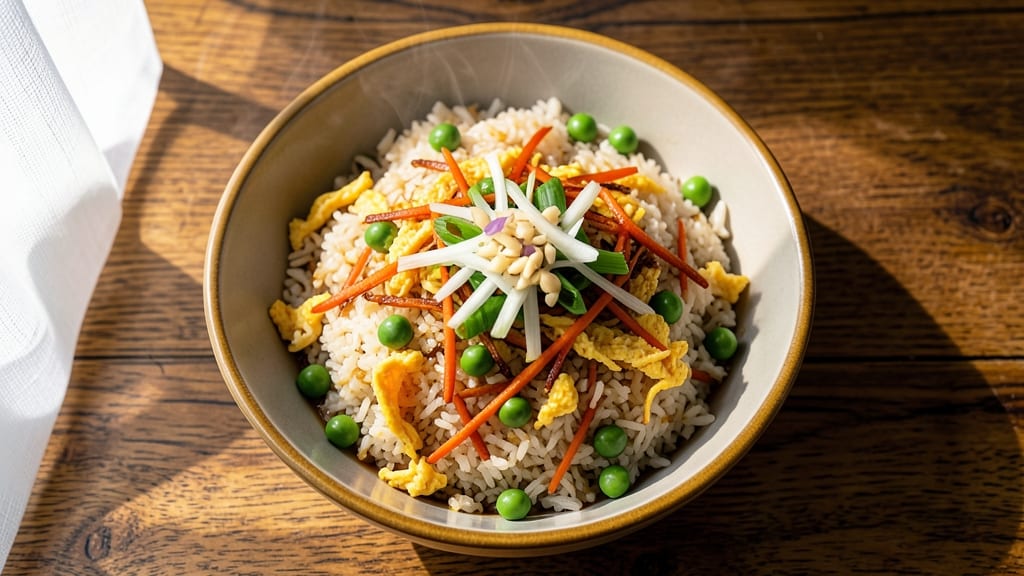
This Chinese takeaway fried rice recipe delivers the same bold, umami-packed flavors you love from your favorite restaurant—right in your own kitchen. The secret lies in high-heat stir-frying, perfectly timed egg incorporation, and a balance of soy sauce, garlic, and ginger that creates that signature takeaway taste.
I’ve been perfecting this method for years, and it never fails to impress, whether you’re feeding a crowd or just craving a quick weeknight meal.
The beauty of this recipe is its simplicity—just one pan, 15 minutes of active cooking, and a handful of ingredients that work together to create that irresistible texture. The eggs get scrambled just enough to stay tender, while the rice absorbs the savory sauce without turning mushy.
I use day-old rice because it’s drier and absorbs flavors better, but if you’re in a pinch, freshly cooked rice works too—just spread it out to cool slightly first.
What you’ll end up with is a dish that’s crispy at the edges, fragrant with garlic and ginger, and packed with that perfect umami kick from soy sauce and a touch of sesame oil.
The egg adds richness, while vegetables like peas, carrots, and scallions bring freshness and color. Every bite is a balance of textures—chewy rice, tender egg, and crisp veggies—all coated in that glossy, flavorful sauce.
This recipe is incredibly versatile—swap in shrimp, chicken, or tofu for protein, or customize with your favorite veggies. It’s also a great way to use up leftovers, making it both practical and delicious. Let’s get cooking!
Ingredients for chinese takeaway fried rice
Day-old rice, fresh veggies, and a few pantry staples create that perfect takeaway taste.
| Ingredient | Amount | Notes |
|---|---|---|
| Day-Old Cooked White Rice 🍚 | 4 cups | Cold or room temperature preferred |
| Large Eggs 🥚 | 2 whole | Freshly beaten for best texture |
| Green Onions 🧅 | ½ cup | White and green parts, chopped |
| Carrots 🥕 | ½ cup | Diced into small pieces |
| Frozen Peas 🌽 | ½ cup | No need to thaw |
| Garlic Cloves 🧄 | 4 cloves | Minced for strong flavor |
| Fresh Ginger 🌿 | 1 tbsp | Grated, not powdered |
| Light Soy Sauce 🍶 | ⅓ cup | Or regular soy sauce |
| Sesame Oil 🫒 | 1 tbsp | Toasted for aroma |
| Vegetable Oil 🫒 | 2 tbsp | High smoke point preferred |
| Salt 🧂 | ½ tsp | Adjust to taste |
| White Pepper 🌶️ | ¼ tsp | For subtle heat |
| Optional Protein 🍗 | 1 cup | Chopped chicken, shrimp, or tofu |
The rice is the foundation—day-old works best because it’s drier and absorbs flavors like a dream. I always grab jasmine rice from the Asian market, but long-grain white rice from the grocery store works too. The veggies should be fresh but don’t stress if they’re frozen—peas and carrots from the freezer section are perfect. For the garlic and ginger, fresh is non-negotiable—powdered just won’t give you that authentic takeaway punch. If you’re short on time, pre-minced garlic and ginger from the jar works in a pinch, but it’s not quite the same.
No light soy sauce? Regular soy sauce plus a splash of water gets you close. Short on sesame oil? Toasted sesame seeds at the end add that nutty aroma. The optional protein can be anything—leftover chicken, shrimp, or even cubed tofu. If you’re using raw shrimp, cook it separately and toss it in at the end to keep it tender. The eggs are key here—cold eggs scramble better, so pop them in the fridge for 10 minutes before beating. And trust me, white pepper is better than black here—it’s smoother and lets the other flavors shine.
This dish tastes even better the next day—leftovers keep for 3-4 days in the fridge. Portion it into containers for easy lunches, or freeze portions for up to 3 months. The sauce gets richer overnight, so don’t skip the leftovers. If you’re making this ahead, cook the rice fresh the day before and refrigerate it uncovered to dry it out a bit more. That crispy texture? Totally worth the extra minute.
Why You'll Love This Recipe
- Pantry Magic: I swear by this recipe when my fridge looks bare—just rice, eggs, and whatever veggies are lurking. The frozen peas? They’re the unsung heroes here, popping with that sweet crunch while the carrots stay just tender enough.
- Crispy Egg Magic: That first crack of the egg into the wok—sizzle—is my favorite part. Scrambling it fast gives you those perfect, slightly runny bits that soak into the rice, making every bite taste like your favorite takeout spot.
- Leftover Hero: Honestly, I make this just to use up stale rice. Day-old grains? Ideal. They absorb the sauce better, and the texture stays firm—no mushy disappointments. Plus, it reheats like a dream.
- Budget Feast: This feeds four for under $5 if you’re smart with it. Eggs stretch, frozen peas bulk it up, and green onions add freshness without breaking the bank. My kids call it "poor man’s fancy dinner"—but they’re wrong, it’s just smart.
Step-by-step instructions for Chinese takeaway fried rice
Here's how to make restaurant-style fried rice in one pan with minimal effort.
Prep All Ingredients for Quick Cooking
Start by beating the 2 whole large eggs in a bowl until frothy but not fully mixed—just enough to create soft curds when cooked. I like to add the 0.5 teaspoon salt and 0.25 teaspoon white pepper to the eggs right away so the seasoning distributes evenly.
Next, chop the 0.5 cup green onions into 1-inch pieces, keeping the white and green parts separate for garnish later. Dice the 0.5 cup carrots into small, even cubes about ¼-inch wide. Minced the 4 cloves garlic cloves and grate the 1 tablespoon fresh ginger. Have all these prepped and ready before you start cooking—this keeps everything moving smoothly.
Cook the Protein and Aromatics
Heat 1 tablespoon of vegetable oil in a large wok or skillet over medium-high heat. Add the 1 cup optional protein (chicken, shrimp, or tofu) and cook for 3-4 minutes until it's no longer pink in the center. Remove the protein and set it aside on a plate.
In the same pan, add the remaining 1 tablespoon vegetable oil. Toss in the minced garlic and grated ginger, cooking for 30 seconds until fragrant. Add the diced carrots and stir-fry for 2 minutes until they begin to soften but still retain some bite. This quick cooking preserves their texture while building flavor.
Scramble Eggs and Add Vegetables
Pour the beaten eggs into the pan and scramble them quickly over medium heat until they're just set but still slightly moist—about 1 minute. Don't overcook them or they'll turn rubbery. Push the eggs to one side of the pan and add the 0.5 cup frozen peas. Stir them for 1 minute to thaw and warm through.
Here's the thing—don't let the peas sit in the pan too long after they thaw or they'll turn mushy. Once they're heated through, add the 4 cups day-old cooked white rice and spread it evenly across the pan. I like to break up any large clumps with a spatula to ensure even cooking.
Stir-Fry and Season
Pour in the 0.33 cup light soy sauce and the 1 tablespoon sesame oil. Add the reserved protein back to the pan and stir everything together vigorously for 3-4 minutes. The rice should start to sizzle and develop a slightly crispy texture at the edges—that's what you're aiming for.
Taste the mixture and adjust seasoning with a pinch more salt if needed. The rice should be well-coated with sauce but still distinct pieces visible. If it's too dry, add 1-2 tablespoons of water and stir-fry for another minute. Remove from heat once the rice is heated through and all ingredients are evenly distributed.
Pro Tips For Making Chinese Takeaway Fried Rice
- Scatter the Rice: Break up the cold rice with your hands first—no need for a knife. The goal is dry, separate grains, not a paste. I learned this the hard way after mashing rice into a sad, gluey mess that refused to crisp.
- Eggs First, Fast Heat: Scramble the eggs in the same wok over high heat before adding anything else. They’ll cook faster, stay fluffy, and soak up less oil—plus, they’ll form a protective layer so the rice doesn’t stick. (Yes, even if you’re impatient like me.)
- Freeze the Peas: Toss frozen peas straight from the freezer into the wok—they’ll thaw instantly and stay bright green. Thawing them first turns them mushy, and nobody wants sad, limp peas in takeaway-style fried rice.
- Salt the Rice Twice: Sprinkle a pinch of salt over the cold rice before cooking, then add another pinch at the end. The first hit seasons the grains, the second balances the soy sauce. Skipping either means your rice tastes bland or overly salty.
Perfect pairings for this recipe
Classic Side Dishes
Serve your fried rice with steamed dumplings for a classic takeaway combo. I love using wonton wrappers stuffed with shrimp or pork, steamed until tender. Their soft texture contrasts perfectly with the crispy fried rice. Another winner is egg rolls—store-bought or homemade—cut into bite-sized pieces for easy sharing. 🥟
For a lighter option, cucumber salad with rice vinegar and sesame seeds adds freshness. Thinly slice 1 English cucumber, toss with 1 tbsp rice vinegar, ½ tsp sugar, and a sprinkle of toasted sesame seeds. The cool crunch balances the rich fried rice beautifully.
Sauce Pairings
Drizzle sriracha mayo over your fried rice for a spicy kick. Mix ¼ cup mayonnaise with 1 tbsp sriracha and a squeeze of lime. The creamy heat cuts through the umami flavors.
For a tangy twist, offer chili oil in a small dish—just a few drops add smoky depth and a little heat. 🌶️
Sweet and sour sauce is another takeaway staple. Simmer ½ cup pineapple juice, 2 tbsp rice vinegar, 1 tbsp soy sauce, and 1 tbsp sugar until thickened. This brightens the dish and adds a refreshing contrast to the savory rice.
Beverage Pairings
A jasmine green tea with honey is my go-to drink for fried rice. The floral notes complement the garlic and ginger in the dish, while the honey adds a touch of sweetness.
Brew 2 tea bags in 2 cups hot water for 3 minutes, then add 1 tsp honey while warm. 🍵
For something bubbly, try sparkling yuzu soda—its citrusy effervescence cleanses the palate between bites. Mix ½ cup yuzu juice with 1 cup sparkling water and a splash of lime. The acidity balances the richness of the fried rice perfectly.
Garnish Essentials
Fresh green onions are a must for garnish—they add color and a bright finish. Chop 2-3 stalks and sprinkle them over the top just before serving. For extra flair, toast ½ tsp sesame seeds in a dry pan for 30 seconds until golden, then sprinkle over the dish. 🌿
Add a lime wedge on the side for a zesty squeeze at the table. The citrus enhances the soy sauce flavors and adds a refreshing note. I also like to include a small dish of crushed red pepper flakes for those who want extra heat.
Nutrition facts
Frequently asked questions
Can I use freshly cooked rice instead of day-old rice?
Freshly cooked rice works in a pinch, but it's much stickier and absorbs less sauce, making the dish soggy. Spread the rice on a tray to cool slightly before using, or mix in 1-2 tablespoons of cornstarch to help absorb moisture. For best texture, always use day-old rice when possible.
How do I prevent my fried rice from turning out mushy?
Overcrowding the pan is the #1 cause of mushy fried rice. Use a large wok or skillet and cook in batches if needed. Also, avoid stirring too gently—keep the heat high and stir vigorously to create crispy edges. Finally, never add oil to the rice directly; stir-fry it first in the pan.
What's the secret to getting that perfect takeaway flavor?
The magic lies in the balance of light soy sauce, garlic, and ginger, plus a quick high-heat stir-fry. Use toasted sesame oil at the end for aroma, and don't skip the white pepper—it adds depth without overpowering. The egg should be scrambled just until set, not fully cooked.
Can I make this recipe ahead of time?
This dish tastes even better the next day. Cook and refrigerate leftovers in an airtight container for up to 3-4 days. Reheat in a pan over medium heat with a splash of water to restore crispiness. For freezing, portion into containers and store for up to 3 months—thaw overnight in the fridge.
What can I substitute if I don't have light soy sauce?
Mix ¼ cup regular soy sauce with 1 tablespoon water to mimic light soy sauce's lower sodium content. For extra umami, add ½ teaspoon fish sauce or 1 teaspoon oyster sauce. The key is balancing saltiness—taste as you go and adjust with a pinch of sugar if needed.