
Side Dishes
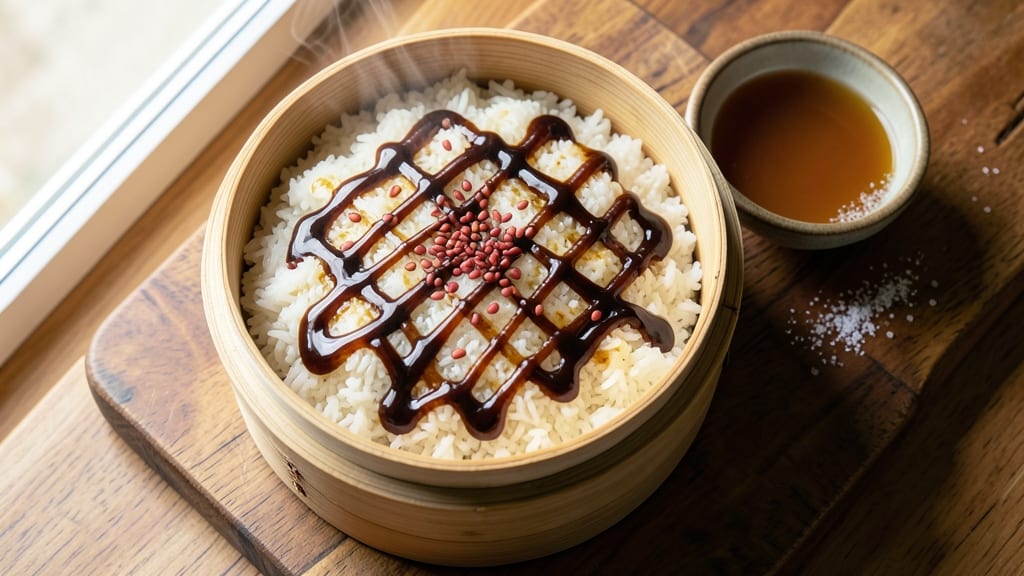
This dim sum steamed rice transforms simple jasmine grains into fragrant, sauce-kissed bites that elevate every dim sum spread. The secret lies in a precise steaming technique that creates perfectly sticky, flavorful grains—no mushy texture here.
I’ve perfected this method over years of dim sum gatherings, where the right balance of rice and sauce makes all the difference.
What sets this recipe apart is the adhering sauce, a delicate mix of soy, sesame oil, and a touch of sugar that clings to each grain without overpowering.
Steamed in a bamboo basket or rice cooker, the rice develops an aromatic depth that pairs beautifully with dumplings, buns, or even as a standalone dish. The result? A dish that’s both authentic and foolproof, ready to impress at your next meal.
Ingredients for dim sum steamed rice
Jasmine rice and a delicate sauce blend transform into fragrant, sauce-kissed dim sum grains perfect for gatherings.
| Ingredient | Amount | Notes |
|---|---|---|
| Jasmine Rice 🍚 | 2 cups | Uncooked, long-grain preferred |
| Water 💧 | 2 ½ cups | Room temperature preferred |
| Light Soy Sauce 🍶 | 2 tbsp | Kikkoman preferred for balance |
| Dark Soy Sauce 🍶 | 1 tbsp | For deeper color and flavor |
| Toasted Sesame Oil 🫒 | 1 ½ tbsp | High-quality, nutty aroma |
| Granulated Sugar 🍚 | 1 tbsp | Fine grain preferred |
| White Vinegar 🍋 | 1 tsp | Balances sweetness |
| Minced Garlic 🧄 | 2 cloves | Freshly minced for potency |
| Toasted Sesame Seeds 🥜 | 1 tbsp | For garnish and texture |
| Diamond Crystal Kosher Salt 🧂 | ½ tsp | Adjusts seasoning |
The jasmine rice is non-negotiable—its floral aroma is essential for authentic dim sum flavor. Look for long-grain varieties at Whole Foods or Asian markets, where the grains stay distinct during steaming. Properly rinsing the rice (until water runs clear) removes excess starch, preventing mushiness. For the adhering sauce, Kikkoman light soy sauce provides the right balance of saltiness without overpowering, while dark soy adds depth. Toasted sesame oil, available at Trader Joe's or specialty stores, should have a rich, nutty aroma—avoid the cheap, flavorless versions.
No light soy sauce? Substitute with a mix of dark soy and a pinch of sugar to mimic the balance. Running out of sesame oil? Avocado oil at half the amount works, though it lacks the signature flavor. Fresh garlic is ideal, but garlic powder at one-third the amount suffices in a pinch. The vinegar is crucial—it brightens the dish and prevents the sauce from becoming cloying. For a quicker prep, pre-mix the sauce ingredients in a small jar and store it for up to 2 weeks in the refrigerator.
Rice reheats beautifully—steam again with 2 tbsp water per cup of cooled rice for 5-7 minutes to restore moisture. The sauce mixture keeps for 1 month refrigerated, though the sesame oil may separate—just stir before use. For large gatherings, double the recipe and steam in batches. The sesame seeds can be toasted in a dry pan for 30 seconds until fragrant, adding an extra layer of aroma to the finished dish.
Why You'll Love This Recipe
- Five-Ingredient Magic: I swear, this is the kind of dish where you’ll forget you’re cooking. Just rice, water, a splash of soy sauces, and that golden sesame oil—no chopping, no fuss. The dark soy sauce gives it that deep, caramelized look without extra work.
- Umami Bomb: That first bite? Chef’s kiss. The light soy sauce keeps it bright, while the dark soy adds this rich, savory depth—like a little flavor explosion. Drizzle in the toasted sesame oil at the end, and suddenly you’ve got restaurant-quality taste for pennies.
- Lunchbox Hero: Honestly, this rice is my secret weapon for packed lunches. Cold or reheated, it’s still packed with flavor, and the soy-sesame combo makes it feel special. (Yes, even on a Tuesday night when you’re too tired to think.)
- Steam-and-Go Leftovers: Between us, this rice actually improves the next day. The aromas get stronger, the grains stay fluffy, and it’s still just as easy to reheat—dump in a bowl, microwave, done. Budget-friendly? Absolutely. Zero waste? Even better.
Step-by-step instructions for dim sum steamed rice
Master the technique for restaurant-quality jasmine rice with a fragrant, sauce-coated finish.
Prepare the Jasmine Rice for Perfect Texture
Rinse the 2 cups jasmine rice thoroughly under cold water in a fine-mesh strainer until the water runs completely clear. This removes excess starch that would otherwise make the rice gummy. Drain well and transfer to a bowl. Add the 2.5 cups water and the 0.5 teaspoon diamond crystal kosher salt, then gently stir once with your fingers. Let it soak for 20 minutes at room temperature—this ensures even hydration and prevents uneven cooking.
The rice should absorb the water and appear slightly translucent at the edges. Avoid over-soaking, as this can lead to mushy grains. After soaking, drain any remaining water through the strainer and let the rice sit uncovered for 5 minutes to dry the surface slightly. This step is crucial for achieving that distinct dim sum rice texture where each grain remains separate yet tender.
Create the Signature Sauce Mixture
In a small saucepan, combine the 2 tablespoons light soy sauce, 1 tablespoon dark soy sauce, 1 tablespoon granulated sugar, 1 teaspoon white vinegar, and the 2 cloves minced garlic. Bring to a gentle simmer over medium heat and reduce by half—this should take about 5 minutes. The mixture will darken slightly and develop a rich, aromatic depth.
Remove from heat and stir in the 1.5 tablespoons toasted sesame oil while the sauce is still warm. This incorporates the oil's nutty aroma without overpowering the soy sauce base. Let the sauce cool completely before using. The sauce should be thick enough to cling to the rice but still fluid enough to evenly coat each grain. If it thickens too much while cooling, add 1 teaspoon water to restore balance.
Steam the Rice to Fluffy Perfection
Transfer the drained rice to a heatproof bowl that fits snugly into your steamer basket. Place the bowl on the steamer rack over 2 inches of boiling water—this creates the ideal steam environment. Cover with a clean kitchen towel to retain moisture, then steam for 18 minutes over medium-high heat. The towel prevents condensation from dripping onto the rice, which could make it soggy.
After 18 minutes, turn off the heat and let the rice sit covered for an additional 5 minutes. This resting period allows the steam to redistribute evenly, ensuring each grain finishes cooking perfectly. The rice should be tender but still hold its shape—press a grain gently with your finger; it should yield slightly but not collapse.
Finish with the Sauce and Garnish
Gently fold the cooled sauce into the steamed rice using a wide spatula or wooden spoon. Work carefully to distribute the sauce evenly without crushing the grains. The rice should develop a glossy sheen from the sauce while maintaining its individual texture. If the sauce appears too thick, add 1 teaspoon water to loosen it slightly.
Transfer the rice to a serving platter and sprinkle evenly with the 1 tablespoon toasted sesame seeds. The seeds add a subtle crunch and visual contrast to the soft, fragrant grains. Serve immediately while the rice is still warm, as the sauce will adhere best to freshly steamed grains. Each bite should deliver a harmonious blend of jasmine aroma, savory-sweet sauce, and nutty sesame notes.
Pro Tips For Making Dim Sum Steamed Rice
- Rinse Rice Twice: Jasmine rice absorbs water like a sponge—one rinse leaves grit, two rinses guarantee fluffiness. I used to skip this, and my rice always turned out sticky or undercooked. Swirl the rice in cold water, drain, repeat. No need to scrub; just let the starches wash away.
- Use a 1:1.2 Ratio: Water to rice isn’t just "about an inch above." For dim sum rice, aim for 1.2 parts water to 1 part rice—like 1 cup rice to 1¼ cups water. Too little? Dry grains. Too much? Mushy. Trust the numbers, not your eyeball.
- Mix Soy Sauces Last: Light and dark soy sauce burn fast—add them after the rice is fully steamed, not while cooking. Stir gently, just enough to coat. I learned this the hard way when my rice turned bitter from over-toasted sauce. A teaspoon of each is plenty; taste as you go.
- Toast Sesame Oil Separately: Drizzle toasted sesame oil after removing the rice from heat—it’s delicate and smokes at 350°F. Heat it in a small pan first if you want extra aroma, but don’t risk scorching the rice. A few drops on top elevates the dish more than you’d think.
Troubleshooting great dim sum steamed rice
Rice Too Dry
If your rice ends up dry or crumbly, the issue is likely insufficient steam during cooking. First, ensure your steamer has at least 2 inches of boiling water below the basket—this creates the right humidity level.
I also recommend using a bamboo steamer (available at Asian markets) rather than a metal one, as bamboo regulates moisture better. For extra insurance, place a damp kitchen towel over the rice before steaming.
If using a rice cooker, add 2 extra tablespoons of water per 2 cups rice and reduce heat to low after the initial boil. 💧
Sauce Won’t Stick
The sauce may separate or slide off if it’s too thick or the rice is overcooked. To fix this, adjust the sauce consistency by adding 1 teaspoon water at a time until it’s syrupy but still pourable.
Also, ensure the rice is steamed to perfect doneness—it should be tender but not mushy. If the rice has cooled completely before adding sauce, steam it again for 3-5 minutes with 2 tbsp water to restore moisture.
For extra adhesion, lightly mist the rice with 1 tsp water before folding in the sauce. 🍶
Mushy or Gummy Texture
Over-soaking or insufficient draining causes mushy rice. Rinse the rice until water runs clear, then drain thoroughly for 5 minutes before cooking. If using a rice cooker, avoid pressing the start button too early—wait until the water boils vigorously.
For bamboo steamers, ensure the rice layer isn’t too thick (no more than 1.5 inches deep). If the rice still turns out gummy, spread it on a tray and dry it in the oven at 200°F for 10 minutes before steaming again. 🍚
Uneven Cooking
Uneven cooking usually means inconsistent heat distribution. For bamboo steamers, place the rice bowl on a heat diffuser mat or a folded towel to prevent hot spots. If using a rice cooker, stir the rice gently halfway through cooking.
For stovetop steamers, maintain a steady medium-high heat without boiling water too vigorously—this creates turbulent steam that can overcook outer layers. A digital thermometer helps monitor water temperature at 190-200°F. 🌡️
Sauce Too Salty
If the sauce tastes overly salty, balance it by adding 1 tsp sugar or ½ tsp white vinegar to brighten flavors. For a quicker fix, mix in 1 tsp honey or maple syrup to counteract the saltiness.
If the issue persists, reduce the soy sauce by ½ tablespoon in future batches. For a milder flavor, use low-sodium soy sauce and add ¼ tsp salt separately. Taste as you go—this sauce is meant to be delicate! 🧂
Steamer Leaks or Burns
Leaks or burning smells mean your steamer isn’t sealed properly. First, check for gaps between the steamer and pot—use a silicone mat if needed. For bamboo steamers, ensure the lid fits snugly and place a damp towel around the edges to create a better seal.
If using a metal steamer, avoid direct flame contact—place it on a diffuser rack or reduce heat to medium-low. Always use enough water to cover the heating element but not overflow into the steamer. 🔥
Nutrition facts
Frequently asked questions
Can I use basmati rice instead of jasmine for this recipe?
While basmati has a similar texture, jasmine rice's floral aroma is key for authentic dim sum flavor. If you must substitute, use short-grain white rice (like Calrose) for better sauce adhesion. The grains will be slightly stickier, which works well for the sauce-coating technique.
How long can I make the sauce ahead of time?
The sauce mixture keeps for up to 2 weeks in the fridge, but the sesame oil may separate. Stir well before using and add 1 tsp water if it thickens too much. For longer storage, remove the sesame oil first and re-add it fresh when ready to use.
What's the best way to reheat leftover dim sum rice?
Spread cooled rice on a tray and steam again with 2 tbsp water per cup of rice for 5-7 minutes until hot. Avoid microwaving—it makes the rice rubbery. For extra flavor, sprinkle with a pinch of toasted sesame seeds and a drizzle of sesame oil before reheating.
Can I make this rice without a bamboo steamer?
Use a rice cooker (add 2 extra tbsp water and reduce heat after boiling) or a metal steamer with a damp towel covering the rice. For stovetop pots, place a heatproof bowl with rice on a trivet over 2 inches of simmering water and cover tightly.
Why does my rice turn out too dry?
This usually means insufficient steam or overcooking. Check your steamer has 2+ inches of water and use a bamboo steamer for better moisture control. If using a rice cooker, reduce heat after initial boil and cover with a towel during cooking.