
Side Dishes
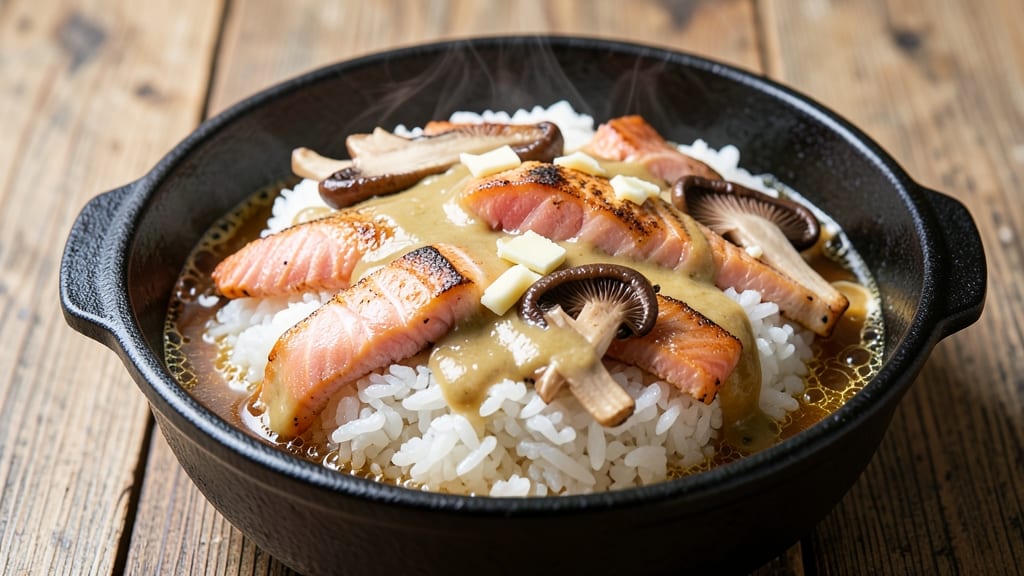
Mastering donabe rice transforms a simple side dish into a restaurant-quality Japanese centerpiece that smells like home. This traditional clay pot method infuses rice with smoky, savory flavors while keeping it perfectly tender—no fancy equipment required.
After years of perfecting the technique, I’ve simplified it to 30 minutes of hands-on time with minimal cleanup.
The secret lies in the donabe pot itself, which distributes heat evenly and creates that signature caramelized crust at the bottom. You’ll start with short-grain rice, layer in broth (dashi, miso, or salmon-based), and add your choice of protein or vegetables—think mushrooms, fish, or tofu.
The steam transforms everything into a cohesive, aromatic dish where every bite carries depth.
What you’ll end up with is a golden-brown pot of rice with crispy edges and fragrant steam rising from the surface—just like in a Tokyo izakaya. The rice stays moist and slightly sticky, while the toppings absorb the rich broth, creating a harmonious balance of textures.
This is comfort food at its finest, perfect for weeknight dinners or special occasions.
Donabe rice adapts beautifully to your preferences—try it with salmon and butter, miso and vegetables, or even a vegetarian twist. The method scales from one serving to a crowd, making it equally impressive for intimate meals or gatherings. Let’s bring Japanese clay pot magic to your kitchen.
Ingredients for donabe rice
Japanese clay pot magic starts with these 13 ingredients—simple but transformative.
| Ingredient | Amount | Notes |
|---|---|---|
| Short-Grain Japanese Rice 🍚 | 2 cups | Uncooked, sushi-grade preferred |
| Dashi Broth 🍜 | 3 cups | Homemade or quality store-bought |
| White Miso Paste 🧈 | 2 tbsp | Aged 1-2 years for depth |
| Salmon Fillet 🐟 | ½ lb | Skin-on, center-cut preferred |
| Unsalted Butter 🧈 | 2 tbsp | Cold, cut into small cubes |
| Shiitake Mushrooms 🍄 | 6 whole | Fresh, stems removed |
| Green Onions 🧅 | 3 whole | Thinly sliced, white and green parts |
| Sesame Seeds 🌾 | 1 tbsp | Toasted, for garnish |
| Soy Sauce 🍶 | 1 tbsp | Kosher or Japanese preferred |
| Mirin 🍶 | 1 tbsp | Sweet rice wine |
| Salt 🧂 | ½ tsp | Diamond Crystal kosher |
| Sesame Oil 🫒 | 1 tsp | Toasted, for aroma |
| Donabe Pot 🍶 | 1 whole | Clay pot or heavy ceramic |
The rice is non-negotiable—short-grain Japanese like Koshihikari or Calrose creates that signature sticky texture. Japanese grocery stores or specialty markets carry the best, but Amazon delivers if you're in a pinch. Look for bags labeled 'sushi rice' or 'short-grain'—avoid long-grain varieties like basmati. The dashi should smell umami-rich; Homemade is ideal (bonito flakes + kombu), but Marukome or Hekuran brands from Asian markets work perfectly. For the miso, aged 1-2 years delivers the deepest flavor—Miso Master or Hokkaido brands excel here. The salmon fillet? Skin-on, center-cut stays moist and looks stunning when served.
No dashi on hand? Combine 1.5 cups water + 1 tbsp soy sauce + 1 tsp sugar as a quick substitute. Miso paste too expensive? White miso + 1 tsp sugar mimics the sweetness. Fresh shiitake mushrooms unavailable? Dried shiitake rehydrated in warm water (discard soaking liquid) works beautifully. The salmon can be swapped for firm tofu or shrimp—just adjust cooking time. For a vegetarian version, replace salmon with king oyster mushrooms or extra-firm tofu marinated in soy sauce. The butter should be cold and cubed—it melts into the rice, creating that signature richness. No sesame seeds? Toasted poppy seeds add a similar crunch.
Rice keeps 2 days in the fridge, but the donabe pot reheats beautifully—just add 2 tbsp water and cover until steaming. For leftovers, store in an airtight container with a paper towel on top to prevent sogginess. The salmon and mushrooms can be prepped ahead and refrigerated for 1 day before cooking. Freeze the cooked rice for up to 1 month—thaw overnight in the fridge before reheating. The sesame oil and mirin should be stored in the fridge after opening to preserve freshness. This dish tastes even better the next day as flavors meld—double the batch if you're planning ahead.
Why You'll Love This Recipe
- One-Pot Magic: I swear by this—just rice, broth, miso, and salmon in one clay pot. No chopping, no fussing, no extra bowls to wash. The dashi broth does all the heavy lifting while you butter up that salmon in minutes.
- Umami Bomb: That white miso paste? It’s the secret weapon. One spoonful dissolves into the rice, giving it this deep, savory richness that makes every bite taste like a hug from a Japanese grandmother. And the butter on the salmon? Pure melt-in-your-mouth perfection.
- Weeknight or Guest Night: Same recipe, totally different vibes. Weeknight? Toss in some quick greens and call it dinner. Company coming? Add a sprinkle of furikake and serve it in the donabe—suddenly, you’re fancy. Honestly, it’s my go-to for any occasion without breaking a sweat.
- Leftovers That Don’t Suck: Most rice dishes turn to glue after day two. Not this one. The donabe keeps it fluffy, and the salmon reheats like a dream. I’ve had it cold the next day, too—just add a squeeze of lemon and a handful of cucumber for a refreshing bento box. Budget-friendly? Absolutely. Versatile? You bet.
Step-by-step instructions for donabe rice
Here's the method that transforms simple ingredients into restaurant-quality Japanese clay pot rice.
Prepare the Donabe Pot and Ingredients
Place the donabe pot over medium-high heat for 3-4 minutes until it's visibly hot to the touch. This preheating ensures even cooking and prevents sticking. While the pot heats, slice the 0.5 lb salmon fillet into ¼-inch thick pieces and set aside. Thinly slice the 6 whole shiitake mushrooms and separate the 3 whole green onions into white and green sections, slicing the whites into ¼-inch pieces and leaving the greens whole for garnish.
Cut the 2 tbsp unsalted butter into small cubes (about ½-inch) and keep them cold until ready to use. This cold butter will create a luxurious sauce as it melts into the rice. Measure out the 2 tbsp white miso paste, 1 tbsp soy sauce, 1 tbsp mirin, and 0.5 tsp salt into a small bowl and whisk together until completely dissolved. This miso mixture will infuse the rice with deep umami flavor.
Cook the Salmon and Mushrooms
Add the 0.5 lb salmon fillet pieces to the preheated donabe pot and sear for 2-3 minutes per side until they develop a golden crust. Remove the salmon and set it aside on a plate. In the same pot, add the 6 sliced shiitake mushrooms and cook for 3-4 minutes until they release their moisture and begin to brown. Stir occasionally to ensure even cooking.
Add the white parts of green onions to the pot and cook for 1 minute until fragrant. Here's the thing—don't let them overcook or they'll turn bitter. Immediately pour in the 3 cups dashi broth and scrape up any browned bits from the bottom of the pot. This deglazing step captures all the flavor you've built so far.
Add Rice and Cook to Perfection
Add the 2 cups short-grain Japanese rice to the pot and stir gently to distribute it evenly. The rice should be submerged in the dashi broth, but don't worry if it's not completely covered—this is normal. Sprinkle the miso mixture evenly over the rice, then add the 2 tbsp cold butter cubes on top. The butter will melt slowly as the rice cooks, creating a rich sauce.
Cover the donabe pot with its lid and reduce heat to low-medium. Cook for 15 minutes without disturbing it. After 15 minutes, remove the lid and gently stir the rice once, pressing down on it to help it cook evenly. Return the lid and cook for another 10 minutes. The rice should be tender but still slightly firm in the center—it will finish cooking with the residual heat.
Finish with Sesame Oil and Garnish
Remove the pot from heat and let it sit covered for 5 minutes. This resting period allows the rice to absorb any remaining liquid and develop its final texture. Drizzle the 1 tsp sesame oil evenly over the rice and gently fold it in using a rice paddle or spatula. The sesame oil adds a nutty aroma that complements the umami flavors perfectly.
Return the seared salmon pieces to the top of the rice and garnish with the green onion tops and 1 tbsp sesame seeds. Serve immediately while the rice is still hot and the butter sauce is at its most luxurious. Each bite should deliver perfectly cooked rice with a delicate balance of umami from the miso, sweetness from the mirin, and richness from the butter-infused broth.
Pro Tips For Making Donabe Rice
- Preheat the Donabe: Crank that oven to 400°F (200°C) and let the clay pot sit for at least 15 minutes before adding anything. I learned this the hard way—cold rice and broth just sit there, and you’ll end up with sad, uneven cooking. The pot needs to be piping hot to build that signature crispy bottom layer.
- Salt the Salmon Right: Generously season the salmon fillet with salt and a pinch of sugar at least 30 minutes before cooking. The sugar helps caramelize the edges while the salt ensures it stays juicy—no dry, flaky fish here. (Yes, even if you’re impatient like me.)
- Swirl the Butter: After adding the dashi broth, melt the unsalted butter into the pot before mixing in the miso paste. Swirl it around the edges to create a buttery crust—this is where the magic happens. Skip this, and you’ll miss the rich, nutty depth that makes donabe rice special.
- Cover Twice: Start with the donabe uncovered for the first 10 minutes to let the rice steam and crisp, then cover tightly with foil or a lid for the remaining 15-20 minutes. I used to leave it covered the whole time, and the rice turned out gummy. The initial exposure builds that perfect texture.
Health benefits of this dish
Whole Grain Powerhouse
Short-grain Japanese rice is packed with complex carbohydrates that provide sustained energy, perfect for fueling long days. A 1-cup serving delivers about 200 calories and 45 grams of carbs, with a significant portion being slow-digesting fiber.
This makes donabe rice an excellent choice for balanced meals, especially when paired with protein-rich toppings like salmon. 💪
Umami-Rich Flavor Profile
The combination of dashi broth, miso paste, and shiitake mushrooms creates a powerful umami punch that supports digestive health. Umami compounds stimulate digestion and may even reduce bloating. The miso also contains probiotics that promote gut health—just 2 tablespoons provides about 10% of your daily probiotic needs.
Honestly, this dish is like a flavorful probiotic boost in every bite.
Rich in Omega-3s
When you add salmon to your donabe rice, you're getting a serious dose of omega-3 fatty acids. A ½ lb serving of salmon provides over 2,000mg of EPA and DHA, which support heart health and reduce inflammation.
The butter-infused rice adds richness without overwhelming the dish's nutritional benefits—it's a perfect balance of indulgence and health.
Low-Fat, High-Protein
This dish is surprisingly low in fat while still being satisfying. The 2 tbsp butter adds flavor without excessive calories, while the salmon provides 25 grams of high-quality protein per serving.
The miso and dashi keep the dish flavorful without adding unhealthy fats. It's a great option for those watching their fat intake but still want a hearty, flavorful meal.
Gluten-Free Friendly
Donabe rice is naturally gluten-free, making it safe for those with celiac disease or gluten sensitivity. Just ensure your miso paste is certified gluten-free—most white miso varieties are, but always check the label.
The dish's natural umami flavors shine without relying on gluten-containing ingredients. This makes it a versatile option for dietary restrictions while still delivering big on flavor. ✨
Antioxidant Boost
The shiitake mushrooms and sesame seeds add antioxidant power to this dish. Shiitake mushrooms contain ergothioneine, a compound that protects cells from oxidative stress, while sesame seeds provide vitamin E and zinc.
Together, they create a nutrient-dense meal that supports overall health. The sesame oil finish adds an extra layer of antioxidant benefits with every drizzle.
Nutrition facts
Frequently asked questions
Can I use a regular pot instead of a donabe?
The donabe's clay material distributes heat perfectly, creating that signature crispy bottom crust. For a substitute, use a heavy ceramic or cast-iron pot—avoid thin metal pots that conduct heat unevenly. If you must use stainless steel, reduce heat to low and monitor closely to prevent burning. The flavor won't be identical, but you can still achieve delicious results with patience.
How do I know when the rice is perfectly cooked?
Donabe rice should be tender with a slight resistance in the center—like a firm but not hard toothpick test. The edges should be golden and slightly crispy, while the top remains moist. Overcooking dries out the rice, so remove it from heat when it's just barely done. The residual heat will finish cooking it while you rest the pot.
What can I substitute if I don't have salmon?
Try firm tofu (marinated in soy sauce), shrimp (cooked until pink), or king oyster mushrooms for a vegetarian option. For extra richness, add 2 tbsp cream cheese with the butter cubes. Adjust cooking times—seafood cooks in 3-5 minutes, while tofu needs 8-10 minutes to absorb flavors.
Why does my donabe rice taste bland?
Most likely, your broth lacks depth. Boost umami by adding 1 extra tbsp miso or ½ tsp fish sauce to the dashi. Also check your seasoning—ensure you're using Japanese short-grain rice (not jasmine) and that your miso is aged 1-2 years. A pinch of bonito flakes in the broth can work wonders too.
Can I make donabe rice ahead of time?
Yes! Cooked donabe rice reheats beautifully. Store in an airtight container with a paper towel on top to absorb moisture. Reheat covered on low heat with 2 tbsp water until steaming (about 5-7 minutes). For best texture, serve within 2 days. The flavors actually improve overnight as ingredients meld.