
Main Courses
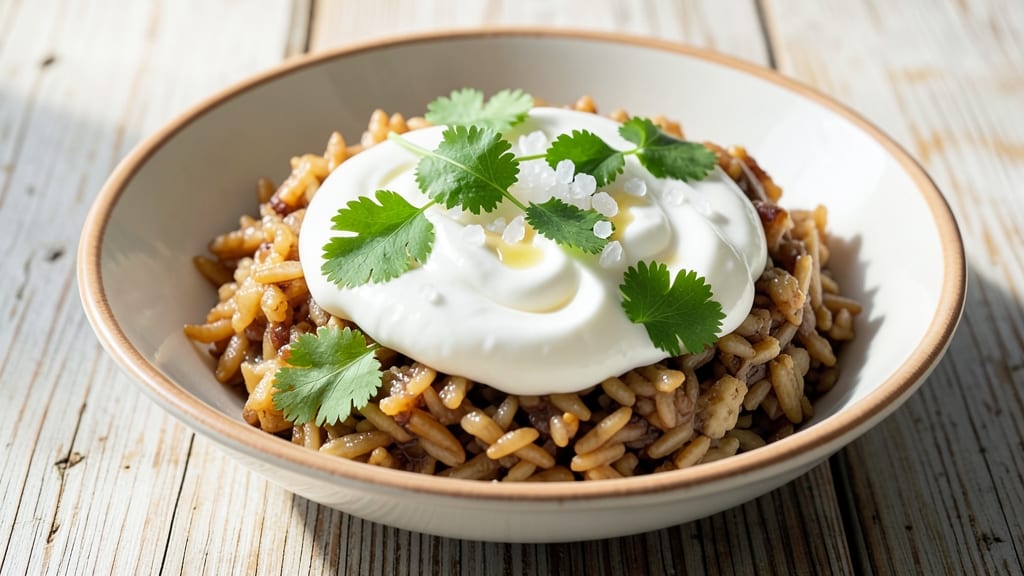
This fermented curd rice recipe delivers the tangy, probiotic-rich staple of South Indian cuisine straight to your kitchen. 💫 The process transforms simple rice and yogurt into a flavorful, gut-friendly base that pairs perfectly with curries and vegetables.
I first encountered it during a cooking exchange with a Tamil friend, and the transformation from bland rice to vibrant, tangy kanji was nothing short of magical.
The key to success lies in the fermentation—soaking rice overnight, mixing it with yogurt, and letting it ferment for 12-24 hours at room temperature. This step develops the signature tang while boosting probiotics, making it a healthier alternative to regular rice.
The texture becomes light and slightly sticky, with a bright, acidic flavor that complements spicy dishes beautifully.
Once fermented, you can serve it warm or cold, depending on your preference. The tangy rice absorbs flavors like a sponge, making it ideal for pairing with sambar, coconut chutney, or grilled vegetables.
It's also incredibly versatile—use it as a base for biryani, a side for curries, or even as a refreshing standalone dish with a sprinkle of mustard seeds and curry leaves.
This recipe is vegetarian, gluten-free, and packed with digestive benefits, making it a staple for health-conscious eaters and traditionalists alike. Let's get started on creating this probiotic powerhouse that brings the flavors of South India to your table.
Ingredients for fermented curd rice
Simple rice and yogurt transform into a tangy, probiotic powerhouse with just a few key ingredients.
| Ingredient | Amount | Notes |
|---|---|---|
| Short-Grain White Rice 🍚 | 1 ½ cups | Uncooked, jasmine or basmati preferred |
| Plain Whole-Milk Yogurt 🥛 | 1 cup | Unflavored, live cultures preferred |
| Filtered Water 💧 | 2 ½ cups | Room temperature preferred |
| White Vinegar 🍶 | 1 tbsp | Apple cider vinegar works too |
| Diamond Crystal Kosher Salt 🧂 | 1 tsp | Fine grain preferred |
| Fresh Cilantro Leaves 🌿 | ¼ cup | Chopped, for garnish |
| Mustard Seeds 🌶️ | ½ tsp | For tempering (optional) |
| Curry Leaves 🍃 | 4 whole | Dried works in a pinch |
| Asafoetida Powder 🌿 | ¼ tsp | Hing spice, optional |
| Ghee 🧈 | 1 tbsp | For finishing (optional) |
| Lime Juice 🍋 | 1 tbsp | Freshly squeezed |
| Cumin Seeds 🌿 | ¼ tsp | Toasted, for aroma |
The rice is the foundation—jasmine or basmati from Whole Foods or your local Indian grocery store works best. Look for grains that are plump and uniform, not broken or discolored. The yogurt needs to be plain, whole-milk, and unsweetened—Greek yogurt works too, but traditional Indian curd (like Amul or Nandini) gives that authentic tang. For the vinegar, apple cider adds a subtle sweetness that complements the fermentation. If you're using store-bought curry leaves, check the package date—they lose potency fast. Fresh is always better, but dried leaves work in a pinch if you're in a hurry.
No vinegar? A splash of lemon juice does the trick, though it won’t ferment as tangy. Short on mustard seeds? Skip them—they’re just for the tempering. The asafoetida (hing) is optional, but it adds depth. If you can’t find it, a pinch of garlic powder is a decent substitute. For the rice, rinse it thoroughly before soaking to remove excess starch—this keeps the texture light. The yogurt should be room temperature when mixing, not straight from the fridge. If you’re in a rush, let it sit out for 10 minutes before using. The lime juice at the end brightens everything up—don’t skip it!
This keeps beautifully in the fridge for up to 5 days, but the flavor peaks at 24 hours. For longer storage, portion into airtight containers with a layer of oil on top to preserve freshness. Freezes for up to 3 months, though the texture softens slightly. I like to make a big batch on Sundays—it pairs perfectly with sambar or grilled veggies all week. The leftovers reheat well, but honestly, it’s just as good cold. Garnish with fresh cilantro right before serving to keep it vibrant.
Why You'll Love This Recipe
- No-Fuss Fermentation: I swear by this recipe because it’s the only fermented rice I’ve ever made that doesn’t require staring at a clock or a thermometer. Just cook the rice, mix in the yogurt and vinegar, and let it sit—no fancy equipment, no stress. The acidity from the vinegar and yogurt does all the work while you’re scrolling through your phone or watching a show.
- Tangy Creamy Magic: That first bite? Chef’s kiss. The yogurt adds this bright, almost buttery tang that cuts through the rice’s mild sweetness, while the vinegar keeps it sharp and alive. It’s like a yogurt parfait and a tangy rice bowl had a baby—and that baby is delicious.
- Meal Prep MVP: Between us, this is my go-to for lazy Sundays or busy weeknights. Make a big batch, and it keeps for days in the fridge—perfect for lunches or quick dinners. I’ve even packed it in bento boxes for work; it’s still fresh and flavorful by Wednesday.
- Budget Bright Spot: Honestly, the ingredients cost less than takeout, and you’ll use them up fast. Short-grain rice is affordable, yogurt is a pantry staple, and vinegar? You probably already have it. It’s the kind of recipe that makes you feel fancy without breaking the bank—or your grocery budget.
Step-by-step instructions for fermented curd rice
Here's how to transform simple rice into a probiotic-rich, tangy staple with perfect texture.
👨🍳 Step 1: Cook the Rice to Al Dente Perfection
Rinse the 1.5 cups short-grain white rice thoroughly in a fine-mesh strainer until the water runs completely clear. This removes excess starch that would make the rice gummy after fermentation. Drain well and transfer to a pot with the 2.5 cups filtered water and 1 tbsp white vinegar. The vinegar helps tenderize the rice faster and adds a subtle tang.
Bring to a boil over medium-high heat, then reduce to a simmer. Cover and cook for 12-15 minutes until the rice is al dente—just slightly firm to the bite. You want it to finish cooking during fermentation, not become mushy. Drain any remaining water through a colander and spread the rice on a clean kitchen towel to cool completely at room temperature. This prevents bacterial growth during fermentation.
🥘 Step 2: Mix and Ferment the Curd Rice
Once the rice is completely cool, transfer it to a large mixing bowl. Add the 1 cup plain whole-milk yogurt, 1 tsp diamond crystal kosher salt, and 1 tbsp lime juice. Using clean hands or a silicone spatula, gently fold everything together until the rice is evenly coated with yogurt. The lime juice adds brightness while the yogurt introduces beneficial probiotics and creates the signature tang.
Cover the bowl with a clean kitchen towel or plastic wrap and let it ferment at room temperature for 8-12 hours. You'll know it's ready when the rice develops a slightly sour aroma and tiny bubbles form on the surface. For best results, ferment in a warm spot—like near your oven with the light on—or in a slightly warm kitchen. Don't skip this step; the fermentation time is what transforms plain rice into this probiotic powerhouse.
🔥 Step 3: Temper the Finished Rice
Just before serving, heat 1 tbsp ghee in a small pan over low heat. Add the 0.25 tsp toasted cumin seeds and 0.5 tsp mustard seeds, stirring constantly for 30 seconds until they begin to sizzle and release their aroma. Add the 4 whole curry leaves and 0.25 tsp asafoetida powder, cooking for another 15 seconds until fragrant. This tempering step adds depth of flavor without overpowering the delicate fermented rice.
Pour this fragrant ghee mixture over the fermented rice and gently toss to combine. The ghee coats each grain, adding richness while the spices wake up your taste buds. For extra freshness, stir in the 0.25 cup chopped fresh cilantro leaves just before serving. The contrast of cool cilantro against the warm, tangy rice is what makes this dish truly special. Serve immediately while still slightly warm for the best texture and flavor balance.
Pro Tips For Making Fermented Curd Rice
- Rinse Rice Twice: I learned this the hard way—skipping the second rinse leaves starch behind, and your curd rice will turn gummy instead of light and fluffy. Use filtered water both times, swirling gently until it runs almost clear (not crystal—just no milky residue).
- Strain the Yogurt: Whole-milk yogurt has liquid gold in its whey—don’t dump it. After mixing yogurt and vinegar, strain through a fine-mesh sieve for 10 minutes. This thickens the curd mixture without adding extra rice, and your rice stays separate instead of clumping.
- Salt the Water First: Add all the kosher salt to the boiling water before the rice goes in. I used to sprinkle it later, and the rice would absorb unevenly—some grains tasted bland, others sharp. Salt the water, then pour in rice for perfect seasoning every bite.
- Cool Before Mixing: Let the cooked rice sit uncovered for 5 minutes after draining—this evens out moisture. Then, when you fold in the yogurt mixture, it won’t turn into a sticky paste. (Yes, even if you’re impatient like me.)
Serving suggestions for this recipe
Classic Pairings
This fermented curd rice shines alongside traditional South Indian sambar—the tangy rice soaks up the lentil and vegetable flavors beautifully. I always make a big pot of sambar with toor dal, drumsticks, and tomatoes when serving this.
The contrast between the sour rice and the savory, slightly sweet sambar is pure magic. 🌶️
For a lighter option, pair it with coconut chutney—the creamy, nutty flavors balance the rice's acidity perfectly. I like to make a quick version with grated coconut, green chilies, and a pinch of salt.
A dollop of chutney on top adds freshness and cuts through the richness.
Protein Additions
While this dish is vegetarian at its core, adding grilled paneer or tofu turns it into a complete meal. Marinate paneer cubes in turmeric, coriander, and chili powder, then grill until golden.
The smoky flavor pairs wonderfully with the tangy rice. For a seafood twist, try grilled prawns tossed with mustard seeds and curry leaves.
If you're keeping it plant-based, spiced chickpeas make a great addition. Toss cooked chickpeas with cumin, paprika, and a squeeze of lemon before roasting until crispy. The crunch contrasts perfectly with the soft, fermented rice.
Vegetable Sides
Roasted or grilled vegetables add color and texture to your plate. I love cauliflower and potato wedges tossed in olive oil, turmeric, and black pepper, then roasted until caramelized. The earthy flavors complement the rice's tanginess without overpowering it. 🥦
For something fresher, try a raw mango and cucumber salad with red onion and a drizzle of tamarind dressing. The cool, crisp vegetables provide a refreshing contrast to the warm, fermented rice. This works especially well during summer months.
Bread Pairings
While this dish is often served as a complete meal on its own, adding steamed rice cakes (like appam) or paratha makes for a heartier spread.
The soft, flaky texture of paratha pairs wonderfully with the tangy rice. I like to make aloo paratha with spiced potato filling for extra flavor. 🥖
For a gluten-free option, try lettuce wraps with a filling of shredded cabbage, carrots, and peanut sauce. The crisp lettuce leaves hold up well to the moist rice and add a fresh element to the meal.
Serving Temperature
This fermented rice tastes amazing both warm and cold, depending on your preference. I often serve it slightly warm straight from the pot, especially when paired with hot sambar or curries. The warmth enhances the tangy flavors and makes the dish feel more comforting.
For a refreshing twist, chill it in the fridge for 1-2 hours before serving with cool cucumber salad or chutney.
Nutrition facts
Frequently asked questions
Can I use any type of rice for fermented curd rice?
Short-grain white rice like jasmine or basmati works best—it stays tender during fermentation and absorbs flavors well. Long-grain rice may become too firm, while broken grains can make the texture gummy. For extra authenticity, try ponni rice, a South Indian variety often used in traditional recipes.
What if my fermented rice doesn't develop enough tang?
Add 1 extra tablespoon of lime juice or apple cider vinegar during fermentation, or extend the time to 16-24 hours in a warm spot. If it still tastes mild, mix in 1-2 tablespoons of extra yogurt before serving—just don't overdo it, or the rice may become too sour.
How do I know when the fermentation is complete?
Look for tiny bubbles on the surface and a slightly sour aroma (like yogurt). The rice should also feel slightly sticky when pressed. If left too long, it may develop an overly sharp smell—taste test at 8 hours to check progress.
Can I make fermented curd rice without yogurt?
Yes! Substitute with 1 cup of buttermilk or 1/2 cup of lemon juice mixed with 1/2 cup water for a similar tang. For probiotics, add 1/4 cup of live-culture kefir instead. The texture will differ slightly, but the dish will still have a bright, acidic flavor.
Is fermented curd rice safe to eat if it smells strongly alcoholic?
No—this indicates over-fermentation, which can produce harmful bacteria. If it smells like alcohol or vinegar, discard it immediately. To prevent this, keep fermentation time under 24 hours and store in a cool spot if your kitchen is warm. Always use clean utensils and containers.