
Side Dishes
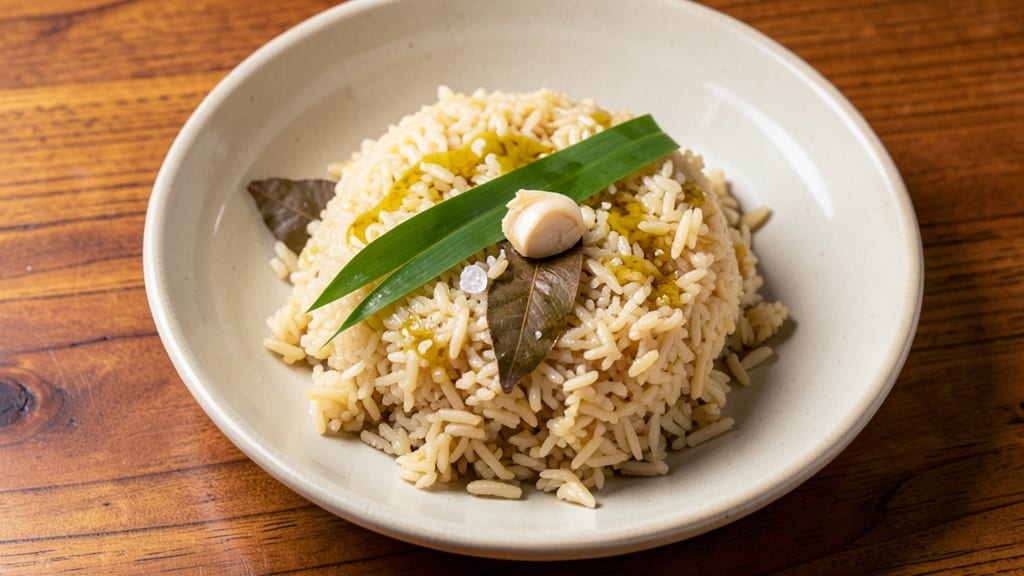
This Filipino steamed rice recipe delivers the fragrant, golden grains you crave at the heart of every Filipino meal. The secret lies in soaking the rice properly and steaming it just right—no electric rice cooker required.
I’ve perfected this method over years of family gatherings, where the aroma alone brings everyone to the table.
The result is tender, slightly sticky rice infused with natural pandan flavor, a staple in Filipino cuisine. It pairs perfectly with grilled meats, stews, or even as a standalone side.
Ready in just 20 minutes, this recipe stays true to tradition while fitting seamlessly into modern kitchens. Let’s get started on making rice that tastes like home.
Ingredients for filipino steamed rice
Eight simple ingredients transform into fragrant, golden Filipino rice—no shortcuts needed.
| Ingredient | Amount | Notes |
|---|---|---|
| Jasmine Rice 🍚 | 1 cup | Uncooked, long-grain preferred |
| Pandan Leaves 🌿 | 2 whole | Fresh or frozen, cut into strips |
| Water 💧 | 1 ½ cups | Room temperature preferred |
| Salt 🧂 | ¼ tsp | Fine sea salt for balance |
| Extra-Virgin Olive Oil 🫒 | 1 tbsp | Light drizzle for aroma |
| Lemon Juice 🍋 | 1 tbsp | Freshly squeezed for brightness |
| Garlic Cloves 🧄 | 1 whole | Minced, optional for depth |
| Bay Leaf 🍃 | 1 whole | Dried, removed after cooking |
Pandan leaves are the heart of this dish. Asian markets carry fresh bundles, but frozen works too—just thaw first. Look for vibrant green leaves with no browning. If you can't find pandan, vanilla extract at half the amount adds a similar sweetness. Jasmine rice is a must—basmati won't give that signature stickiness. Rinse it thoroughly before soaking to remove excess starch. For garlic lovers, two cloves add a lovely aroma, but one is plenty if you're sensitive to strong flavors.
No pandan? Substitute pandan extract (1/4 tsp) or even a pinch of turmeric for color, though the flavor won't match. Short on olive oil? Coconut oil at the same amount works beautifully. The bay leaf is optional but adds depth—skip it if you're serving something already packed with herbs. For extra fragrance, toast the rice in a dry pan for 30 seconds before soaking. The lemon juice brightens the final dish, so don't skip it unless you're adding another citrus element elsewhere in your meal.
This rice reheats beautifully—just add a splash of water and steam for 2-3 minutes. Keeps fresh in the fridge for 4 days if stored airtight. For meal prep, portion into containers with a light oil drizzle to prevent drying. Freezes well for 3 months—thaw overnight in the fridge before reheating. The pandan flavor intensifies slightly after the first day, so leftovers often taste even better.
Why You'll Love This Recipe
- Steam in Minutes: I swear, this takes less time than waiting for the kettle to boil. Just rinse the jasmine rice, layer it with a single pandan leaf, add water and a pinch of salt, and let the steamer do the work. No stirring, no fuss—just pure, hands-off magic.
- Fragrant Magic: That first whiff of pandan-infused steam? It’s like a tropical vacation in your kitchen. The leaves release their sweet, floral notes into the rice, turning plain grains into something that tastes like a hug from home. (Yes, even on a Tuesday night.)
- Meal Prep Hero: This rice keeps like a champ—stays fluffy for days if you store it right. I make a big batch on Sundays, and by Wednesday, it’s still the star of my lunches. Pair it with leftover adobo or fried chicken, and suddenly, dinner feels effortless.
- Budget Bright Spot: Jasmine rice is cheap, pandan leaves last forever, and you’re using basic pantry staples. For under $5, you’ve got enough rice to feed the family, impress guests, or just enjoy a quiet night in. No waste, no guilt—just good, honest food.
Step-by-step instructions for pandan-infused steamed rice
Here's how to achieve perfectly fragrant, aromatic rice with authentic Filipino flavor.
Prepare the Pandan and Aromatics
Cut the 2 whole pandan leaves into 2-inch strips using a sharp knife. This releases their essential oils more effectively. In a small bowl, combine the pandan strips, 1 whole garlic cloves (minced if using), and 1 whole bay leaf. Set aside - these will infuse the rice with their distinctive aroma.
The pandan leaves are the heart of this recipe - their natural vanilla-like scent transforms ordinary rice into something truly special. If using fresh pandan, you'll notice an immediate floral aroma when cutting. For frozen leaves, simply thaw them first to maintain their texture and flavor.
Rinse and Soak the Jasmine Rice
Place the 1 cup jasmine rice in a fine-mesh strainer and rinse under cold water until the water runs completely clear. This removes excess starch that would make the rice gummy. Transfer the rinsed rice to a bowl and add the 1.5 cups water. Let it soak for 15 minutes - this ensures even cooking and prevents dry grains.
I always rinse rice thoroughly because the starch is what makes rice sticky when overcooked. The soaking step is particularly important for jasmine rice, which has a higher starch content than other varieties. After soaking, you'll notice the rice has absorbed some of the water but still maintains its individual grains.
Combine All Ingredients in the Steamer
In a heatproof bowl that fits your steamer basket, combine the soaked rice, pandan-leaf mixture, 0.25 tsp salt, 1 tbsp extra-virgin olive oil, and 1 tbsp lemon juice. Gently stir everything together until the rice is evenly coated with the oil and lemon juice. Place the bowl in the steamer basket.
The olive oil creates a subtle sheen on the rice grains while the lemon juice adds a bright contrast to the pandan's sweetness. The salt should be distributed evenly - taste a grain to confirm it's properly seasoned. Arrange the pandan leaves on top of the rice to maximize their aromatic release during steaming.
Steam Over Medium Heat
Bring a pot of water to a gentle boil and place the steamer basket on top. Cover with a lid and steam for 15 minutes. After the initial 15 minutes, check the rice - it should be tender but still slightly firm in the center. If needed, steam for an additional 2-3 minutes until the rice is perfectly cooked with a slight bite.
This is where the magic happens - the pandan leaves release their fragrance while the rice steams gently. You'll notice the kitchen fills with that distinctive pandan aroma. The steaming method preserves the rice's natural texture better than boiling, resulting in grains that are separate yet tender.
Rest and Fluff the Rice
Once the rice is perfectly cooked, remove it from the steamer and let it rest for 5 minutes. During this time, the steam redistributes throughout the grains, ensuring even moisture. Use a fork to gently fluff the rice, separating the grains and allowing any remaining steam to escape.
The resting period is crucial - it's when the rice develops its final texture. When fluffing, work quickly but gently to avoid crushing the grains. The finished rice should be light and fluffy with a subtle sheen from the olive oil. Remove the pandan leaves and bay leaf before serving - they've done their job infusing flavor.
Pro Tips For Making Filipino Steamed Rice
- SOAK PANDAN FIRST: Tear the pandan leaves into ribbons and soak them in warm water for 10 minutes before adding to the rice. This extracts their fragrance fully—no more half-hearted scent that fades by the second bite. (Yes, even if you’re impatient like me, wait.)
- USE 1:2 RATIO STRICTLY: Jasmine rice needs exactly 2 cups water per 1 cup rice, no exceptions. I learned this the hard way—underwater makes it gummy, and too little leaves it dry. Measure carefully, or your rice will either clump like glue or turn into sad crunchy bits.
- SALT THE WATER HOT: Add salt to the boiling water before pouring it over the rice. Cold water dilutes the seasoning, and you’ll end up tasting the rice’s natural starch instead of the balanced flavor you want. Trust me, your taste buds will notice.
- OIL THE POT LAST: Swirl in that extra-virgin olive oil only after the rice is fully cooked and the pot is off the heat. Drizzling it in too early turns the rice greasy, and you lose the delicate aroma. A light coat at the end keeps it fragrant without overpowering. (And yes, it’s worth the extra step.)
Health benefits of filipino steamed rice
Energy-Packed Staple
Filipino steamed rice serves as a nutrient powerhouse in every meal, providing complex carbohydrates that fuel your body with sustained energy. A single serving of this pandan-infused jasmine rice delivers about 150 calories and 35 grams of carbohydrates, perfect for active lifestyles.
The low glycemic index of jasmine rice means your energy levels stay stable for hours—ideal for busy days or workouts. 💪
Protein and Fiber Boost
While rice is primarily carbohydrate-based, pairing it with protein-rich Filipino dishes creates a complete protein profile. For example, serving this rice with grilled chicken adobo or shrimp sinigang adds 20-30 grams of protein per meal, supporting muscle repair and satiety.
The minimal fiber in white rice is balanced by the pandan leaves, which contain small amounts of dietary fiber and antioxidants that aid digestion.
Heart-Healthy Benefits
The olive oil used in this recipe adds monounsaturated fats, which support heart health by lowering bad cholesterol levels. A 1 tablespoon serving provides about 140 milligrams of these beneficial fats.
The lemon juice also contributes vitamin C, an antioxidant that helps reduce inflammation and keeps your cardiovascular system in top shape. Together, these elements make this rice a smart choice for heart-conscious diets.
Digestive Comfort
Filipino steamed rice is gentle on the stomach, making it an excellent option for those with sensitive digestion. The steaming method preserves the rice’s natural texture while avoiding the harshness of boiling, which can sometimes irritate the digestive tract.
The pandan leaves also contain compounds that may help soothe digestion, making this rice a comforting option for meals. 🌿
Antioxidant-Rich Infusion
The pandan leaves are packed with antioxidants like flavonoids and phenolic compounds, which help combat oxidative stress in the body. These antioxidants contribute to cell protection and may reduce the risk of chronic diseases.
Even the bay leaf used in this recipe adds a subtle layer of antioxidants, enhancing the overall health benefits of the dish. The result is rice that not only tastes amazing but also supports your well-being.
Balanced Nutrition
This recipe avoids heavy cream or excessive fats, keeping it light yet satisfying. The lemon juice adds a vitamin C boost, while the salt is used sparingly to maintain balance.
When combined with Filipino proteins like tofu, fish, or lean meats, this rice becomes a nutritionally complete meal—rich in vitamins, minerals, and healthy fats without the guilt. It’s the perfect example of how simple ingredients can create a healthier, happier plate.
Nutrition facts
Frequently asked questions
Why does Filipino rice use pandan leaves instead of other aromatics?
Pandan leaves add a unique vanilla-like fragrance that's signature to Filipino cuisine. Unlike bay leaves or cinnamon, pandan infuses a subtle sweetness without overpowering the rice's natural taste. The leaves also contain antioxidants that enhance the dish's health benefits while creating that recognizable aroma that transports you to Filipino tables.
Can I make this rice without a steamer?
Use a bamboo steamer basket over boiling water, or cover a pot with a tight lid after adding the rice and water. For electric rice cookers, follow the manufacturer's instructions for steaming mode. The key is maintaining gentle heat to prevent burning while allowing steam to circulate evenly.
What's the difference between this and regular steamed rice?
This recipe uses jasmine rice (not white rice) and includes pandan, garlic, and lemon juice for authentic Filipino flavor. Regular rice lacks the fragrant aroma and subtle sweetness from pandan, while this version has a delicate stickiness from proper soaking and steaming. The olive oil adds a subtle sheen that's characteristic of Filipino rice dishes.
How do I fix rice that turned out too dry or mushy?
For dry rice, add 2 tablespoons of hot water per cup of rice, cover, and steam for 5 minutes. For mushy rice, fluff it with a fork and let it sit uncovered for 10 minutes to evaporate excess moisture. If needed, toast the rice in a dry pan for 2 minutes to restore texture. The secret is precise water measurement and proper resting time after cooking.
Can I make this rice in a rice cooker?
Yes! Use the same ratio of rice to water (1:1.5) and add all ingredients except the pandan leaves (remove them after cooking). Set to "steam" mode if available, or use "white rice" setting. The cooker's gentle heat will preserve the rice's texture better than boiling. For extra pandan flavor, add 1/4 tsp pandan extract to the water instead of leaves.