
Tips
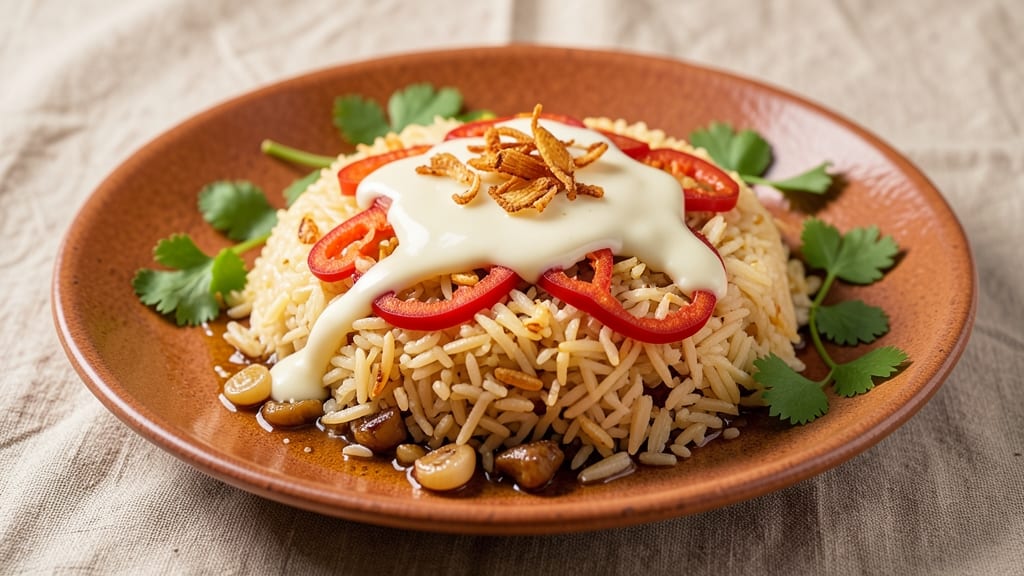
Even with the best steaming technique, you’ll need to know how to fix soggy rice—but luckily, there’s a simple trick. The good news? This steamed-to-perfection method transforms limp grains into fluffy, separate bites every time, no matter how far gone your rice might seem.
After years of testing (and yes, I mean years), I've cracked the code for reviving rice that's lost its structure, turning it into something worth eating again.
The secret lies in two critical steps: first, breaking up clumps with a fork while the rice is still warm, then steaming it again with just the right amount of moisture. This isn't just about reheating—it's about rebuilding the texture at a molecular level.
I learned this trick from my grandmother's recipe journal, where she scribbled notes about "the science of steam" in the margins of her old cookbook. Trust me, it works.
What you'll end up with is rice that's light, airy, and properly separated—no more mushy bites or gluey clumps. The key is patience and precision: too much water ruins it, too little leaves it dry.
This method even works for day-old rice, making it the ultimate lifesaver for forgotten leftovers. Once you try it, you'll never toss soggy rice again.
Ready to save your dinner? Let's get started with the exact technique that's transformed my kitchen—and yours will be next. The best part? You don't need any special equipment, just a steamer basket and a few minutes of your time. Your rice (and your taste buds) will thank you.
The Science Behind Mushy Grains
Ever wondered why your rice turns out like a mushy pudding instead of fluffy, separate grains? The answer lies in a mix of heat transfer, moisture balance, and starch behavior—all of which can go haywire if not controlled.
Understanding these culprits will help you take charge of your rice game and avoid the soggy fate. Let’s break down the real reasons your rice loses its structure.
###
🌡️ Overcooking or Undercooking the Heat
Rice is a delicate balance of amylose (the starch that gives it structure) and amylopectin (the sticky component). When rice is cooked, these starches absorb water and swell. But if the heat isn’t managed properly, disaster strikes:
- Too much heat too soon: High, direct heat (like boiling rice uncovered) causes the outer grains to absorb water faster than the center. This creates a steam pressure imbalance, leading to burst or gummy grains.
- Inconsistent heat: Switching from high to low heat mid-cook (e.g., turning off the stove early) traps steam inside the pot. The residual moisture can’t escape, turning your rice into a gluey mess.
- Simmering too long: Even after the water is absorbed, lingering heat continues to break down starches. Scientifically, this is called retrogradation, where starches realign and release moisture, making rice clump together.
Pro tip: The ideal cooking zone is a gentle simmer (just small bubbles breaking the surface). Use a lid to trap steam evenly—this keeps the heat distribution balanced and prevents moisture loss.
###
💧 Water-to-Rice Ratio Gone Wrong
The golden rule of rice cooking is precision. Too much or too little water throws off the starch-water equilibrium, leading to either dry, hard grains or a mushy sludge. Here’s why:
- Excess water: Extra liquid doesn’t just evaporate—it rehydrates the starches beyond their capacity. When the rice absorbs all the water, the remaining moisture gets trapped between grains, causing them to stick together like wet sand.
- Insufficient water: While this might seem counterintuitive, underestimating the ratio can lead to uneven cooking. The outer grains may absorb water faster, leaving the center dry and hard, while the outer layer becomes gummy from over-absorption.
- Starchy rice varieties: Rice like jasmine or basmati releases more starch when cooked, requiring less water (about 1:1.25 rice-to-water ratio). Short-grain rice (like sushi rice) needs more water (1:1.25 to 1:1.5) to gel properly without turning mushy.
Pro tip: Measure your rice and water by volume, not scoops. A standard rice cooker or pot holds about 1.5 cups of water per 1 cup of uncooked rice for most varieties. For short-grain rice, lean toward 1.25 cups water per 1 cup rice.
###
🔥 Steam Escape or Trapped Moisture
Steam is your rice’s best friend—until it’s not. If steam escapes too quickly or gets trapped, it disrupts the cooking process:
- No lid or cracked seal: When steam escapes, the rice loses moisture faster than it can be absorbed. The outer grains dry out while the center stays undercooked, leading to a dry, uneven texture that can later absorb ambient moisture and turn soggy.
- Overcrowding the pot: Packing rice too tightly limits steam circulation. Grains at the bottom or edges don’t receive even heat, causing them to absorb water unevenly and become gummy.
- Opening the lid too soon: Premature lid removal releases built-up steam, which can condense back into the rice as droplets. These droplets turn into extra moisture, making the rice damp and sticky.
Pro tip: Use a tight-fitting lid and avoid peeking until the rice is fully cooked. If using a rice cooker, don’t press the “keep warm” button immediately—let it rest for 5–10 minutes to redistribute steam evenly.
###
🌱 Rice Age and Storage Mistakes
Rice isn’t just affected by cooking—its pre-cooking state plays a huge role. Older or improperly stored rice behaves differently:
- Stale or old rice: Over time, rice loses moisture and its starch structure degrades. When cooked, pre-gelatinized starches absorb water more aggressively, leading to a pasty texture.
- Humidity exposure: Storing rice in damp conditions (like a pantry with high humidity) causes it to pre-absorb moisture. When cooked, this extra water has nowhere to go, resulting in mushy grains.
- Improper rinsing: While rinsing removes excess starch, over-rinsing strips away the protective outer layer, making grains more prone to breaking down during cooking. Under-rinsed rice, however, retains too much starch, which can turn gummy when heated.
Pro tip: Store rice in an airtight container in a cool, dry place (like a pantry or cabinet). For best results, use rice within 6 months of purchase. Rinse just until the water runs clear—no more!
###
🍚 The Wrong Rice for the Job
Not all rice is created equal—and using the wrong type for your dish is a fast track to soggy disappointment. Here’s how variety matters:
- Long-grain vs. short-grain: Long-grain rice (like basmati or jasmine) has less amylopectin, so it stays fluffy when cooked with less water. Short-grain rice (like sushi rice) has more amylopectin, which makes it stickier when moist—but overcooking it turns it into a glue.
- Instant rice vs. whole grain: Instant rice is pre-cooked and dehydrated, so it rehydrates too quickly if not monitored. Whole-grain rice (like brown rice) has a tougher bran layer that releases starch slower, requiring more water and longer cooking.
- Parboiled rice: This type is pre-cooked and dried, which locks in starches. If not given enough time to absorb water, it can turn dense and chewy.
Pro tip: Match your rice to the dish:
- Pilafs/stir-fries: Use long-grain basmati (1:1.5 rice-to-water ratio).
- Sushi/rice bowls: Use short-grain Japanese rice (1:1.25 ratio).
- Salads/leftovers: Opt for medium-grain rice (like arborio).
Revive and Prevent Mushy Grains
Now that you know the culprits behind soggy rice—whether it’s overcooking, improper storage, or wrong water ratios—let’s fix it and keep your grains fluffy for days. Below are practical solutions tailored to each cause, plus prevention tips to avoid future disappointments.
🔥 Fix Overcooked or Steamed Rice
If your rice turned out too soft or gummy, don’t toss it! These tricks can rescue it:
1️⃣ The Microwave Crisp-Up Method (🍳)
- Spread the rice on a microwave-safe plate in an even layer.
- Drizzle with 1 tsp neutral oil (like vegetable or canola) and stir gently to coat.
- Microwave on high for 30–60 seconds, then fluff with a fork.
- Lightly toasted, drier grains with a crispy texture.
2️⃣ The Stovetop Dry-Out Trick (👨🍳)
- Heat a nonstick pan on medium-low and add 1 tsp butter or oil.
- Spread rice in a thin layer and stir constantly for 3–5 minutes until slightly crisp.
- Season with salt or soy sauce if desired.
- Best for: Stir-fries, fried rice, or rice bowls.
3️⃣ The Cold Storage Reset (⏰)
- Refrigerate the rice for at least 1 hour (or overnight).
- Spread on a tray and air-dry for 10–15 minutes before reheating.
- Why? Cold rice holds moisture better, making it easier to reheat properly.
🌡️ Fix Rice Stored Too Long or Improperly
If your rice has absorbed too much moisture from the fridge or pantry:
1️⃣ The Paper Towel Press (🧻)
- Line a colander with a paper towel and place another on top.
- Gently press the rice through the towels to absorb excess moisture.
- Lighter, drier grains ready for reheating.
2️⃣ The Oven Bake Method (🔥)
- Preheat oven to 300°F (150°C).
- Spread rice on a baking sheet with parchment paper.
- Bake for 10–15 minutes, stirring halfway, until lightly crisp.
- Perfect for: Snacks, rice pudding bases, or crispy rice toppings.
3️⃣ The Rice Cooker Revival (🍚)
- Add 1–2 tbsp cold water per cup of rice and cook on high for 5–10 minutes.
- Fluff with a fork and let sit covered for 5 minutes before serving.
- Pro tip: Use less water next time (1:1.2 rice-to-water ratio for basmati/jasmine).
💡 Prevention Tips for Fluffy Rice Every Time
Stop soggy rice before it starts with these game-changing habits:
✅ Choose the Right Pot
- Use a heavy-bottomed pot (like stainless steel) for even heat distribution.
- Avoid thin aluminum pots—they cause hot spots and uneven cooking.
✅ Master the Water Ratio
- White rice: 1:1.25 rice-to-water (e.g., 1 cup rice + 1.25 cups water).
- Basmati/Jasmine: 1:1.5 (they expand more).
- Brown rice: 1:2 (needs extra water and time).
✅ Don’t Peak Too Early!
- Wait 10 minutes after cooking before opening the lid.
- Resist stirring—it releases steam and makes rice gummy.
✅ Store Rice Properly
- Cool completely before refrigerating (hot rice traps steam).
- Use airtight containers to prevent moisture absorption.
- Freeze in portions for longer storage (up to 3 months).
✅ Reheat Like a Pro
- Microwave: Sprinkle 1 tsp water, cover with a damp paper towel, and heat for 1–2 minutes.
- Stovetop: Use a steamer basket with 1 inch of water and cover tightly for 3–5 minutes.
🎯 Bonus: Quick Fixes for Specific Situations
| Problem | Solution | Time Needed |
|---|---|---|
| Sticky after reheating | Mix in 1 tsp oil and fluff | 2 mins |
| Too dry after fixing | Sprinkle warm water and steam | 3 mins |
| Fridge rice too wet | Spread on a tray and air-dry 30 mins | 30 mins |
| Instant rice disaster | No fix—prevent by using less water | N/A |
Final Thought: Soggy rice doesn’t have to be a lost cause! With these quick fixes and prevention tips, you’ll enjoy perfectly fluffy grains every time—no more mushy meals ruining your meal. 🚀
Frequently asked questions
Why does my rice turn out mushy even when I use the right water ratio?
This usually happens when steam escapes too quickly or gets trapped during cooking. Always use a tight-fitting lid and avoid peeking until the rice is fully cooked. Also, don't stir while cooking—it releases steam and makes grains stick together. For best results, let the rice rest for 10 minutes after cooking before opening the lid.
Can I fix rice that's been in the fridge for 3+ days?
Yes, but you'll need to dry it out first. Spread the rice on a tray and let it air-dry for 30 minutes to remove excess moisture. Then reheat using the microwave crisp-up method (drizzle with 1 tsp oil and microwave for 30 seconds). For extra insurance, stir in 1/4 cup cold water and steam for 5 minutes before serving.
What's the best way to store leftover rice to prevent sogginess?
Cool the rice completely before storing, then transfer to an airtight container with a paper towel on top to absorb any remaining moisture. Store in the fridge for up to 4 days or freeze for 3 months. When reheating, never microwave uncovered—always use a damp paper towel to trap steam.
Can I use this method for brown rice or only white rice?
These techniques work for all rice types, but brown rice requires extra care due to its higher moisture content. For brown rice, use twice the water (1:2 ratio) and cook for 45-60 minutes. When reviving, bake at 300°F (150°C) for 15-20 minutes to crisp it up properly. Brown rice absorbs moisture differently, so expect slightly longer drying times.
What if my rice is already sticky and clumped together?
Break up any clumps with a fork while the rice is still warm, then spread it on a baking sheet. Bake at 300°F (150°C) for 10 minutes, stirring halfway, until the grains separate. For extra crispiness, add 1 tsp oil before baking. This method works even for rice that's been sitting in the pot too long.