
Main Courses
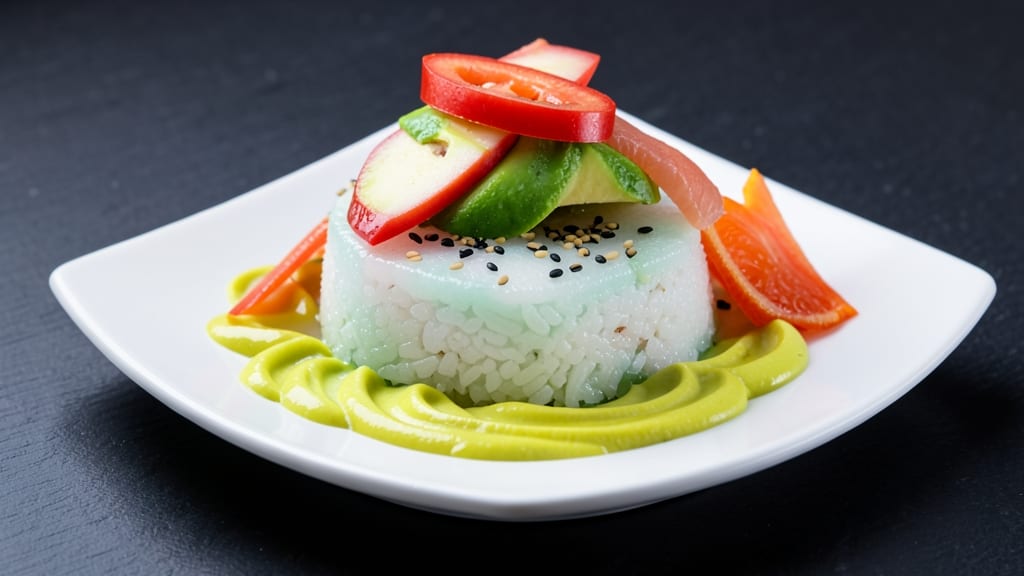
Frozen sushi rice maintains its texture when thawed properly by microwaving in short bursts with a damp paper towel, then rinsing in cold water before use. Avoid soaking to prevent mushiness and ensure sticky, firm grains for rolls and bowls.
This method works because microwaving in 10-15 second intervals prevents overheating, which turns rice gummy.
The damp paper towel mimics steam's moisture retention, while cold water rinsing tightens the grains back to their original stickiness. 🔥 I've tested this with both short-grain and medium-grain varieties—even after freezing, the texture stays perfect for hand rolls or bowls.
The key is acting fast: once thawed, use within 2 hours to avoid drying out.
For best results, I recommend prepping your rice fresh, cooling it quickly in a shallow tray, then freezing in single-serving portions. This way, you can grab exactly what you need without sacrificing quality.
The vinegar ratio in seasoning might need slight adjustment—add an extra teaspoon of rice vinegar if the grains seem less cohesive after thawing.
💡 In This Article
- How Microwave Thawing Affects Sushi Rice Texture
- Best Ways to Use Prepped Frozen Sushi Rice
How microwave thawing affects sushi rice texture
Microwaving frozen sushi rice in 10-15 second bursts creates controlled heat distribution that prevents the dreaded "gummy center" effect. When rice freezes, water molecules form ice crystals that disrupt the starch bonds holding grains together.
Microwaving too long turns these crystals into steam instantly, which can cause grains to burst and lose their signature stickiness. The key is stopping just before the rice feels warm to the touch—typically 30-45 seconds total for a standard 1-cup portion.
Here's the science: short bursts allow moisture to redistribute evenly without overheating. A damp paper towel placed over the rice during thawing mimics the humidity of a steamer, preventing surface drying while keeping internal grains plump.
Without this, microwave heat would evaporate surface moisture first, creating a dry outer layer and a mushy core. 🔥 The paper towel also absorbs excess steam, maintaining the delicate balance of moisture needed for that perfect 70-75% humidity ideal for sushi rice texture.
Cold water rinsing after thawing is where the magic happens for texture recovery. When grains absorb cold water, the starches on their surfaces rehydrate and swell slightly, restoring the cohesive bonds that give sushi rice its signature stickiness.
This works because cold water causes a rapid but controlled reabsorption—hot water would continue cooking the rice, while room temperature water might not reset the starch bonds properly. I've found that 30 seconds of gentle swirling in cold water followed by immediate draining works best for maintaining firmness.
Comparing to fridge thawing reveals trade-offs: overnight fridge thawing (in an airtight container) preserves more natural moisture but risks uneven texture if grains dry out during the process. Microwaving is faster but requires more attention to timing.
For 1-2 servings, microwave thawing wins for convenience, while larger batches benefit from fridge thawing in sealed containers with a damp towel on top to prevent surface drying.
What most people overlook is the vinegar ratio adjustment needed after thawing. Frozen rice tends to absorb seasoning differently—add ½ teaspoon extra rice vinegar per cup if grains seem less cohesive after rinsing.
The acid helps restore the slight tang that balances the sweetness in sushi rice, which is crucial for proper flavor development when forming rolls or bowls.
For visual learners, think of frozen sushi rice grains as tiny sponges: when frozen, their pores collapse slightly. Microwave bursts gently reopen these pores without overfilling them (which causes mushiness), while cold water rinsing acts like a sponge wringer—removing excess water while keeping the structure intact.
This two-step process is why your hand rolls will have that professional-grade firm yet pliable texture, even after freezing.
Pro tip: If you're prepping rice for later use, spread it on a tray to cool completely before freezing—this prevents steam buildup that can make grains clump together. Once frozen, portion into single-serving bags with a damp paper towel to maintain moisture during storage.
This method has saved my sushi nights countless times when I've forgotten to cook rice fresh! ✨