
Side Dishes
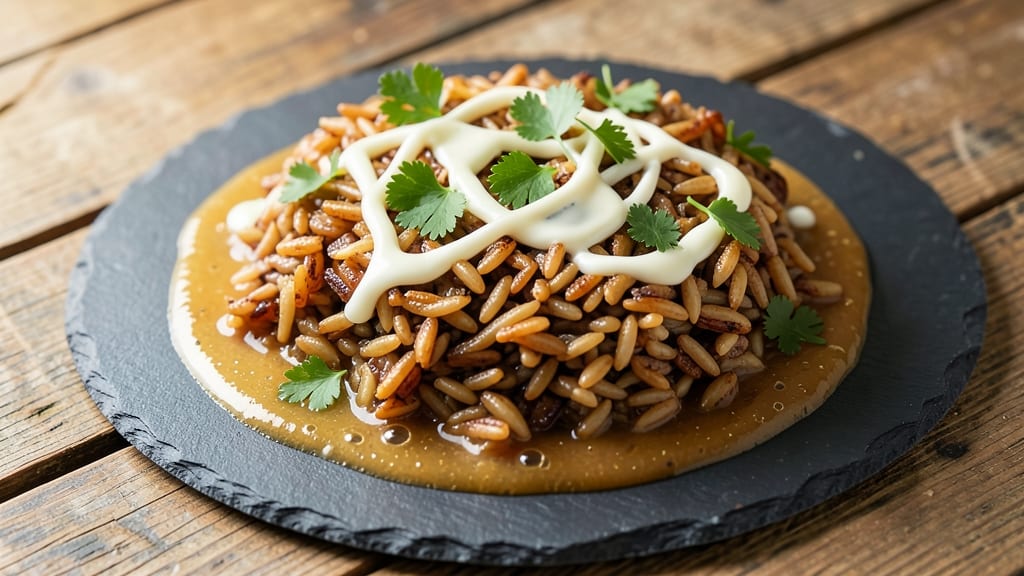
J Alexander's orzo and wild rice recipe transforms a simple grain medley into an elegant, wine-infused side dish that steals the show at any table. The secret lies in balancing earthy wild rice with delicate orzo while infusing white wine and fresh herbs—creating a dish that’s both rustic and refined.
I developed this recipe after years of testing grain combinations, and the herbed butter finish elevates it from ordinary to extraordinary.
This recipe delivers restaurant-quality results with minimal effort, requiring just 30 minutes of active time and a few simple ingredients. The wine infusion adds depth without overpowering, while the herbed butter ties everything together with a rich, aromatic finish.
Perfect for holidays or weeknight dinners, it pairs beautifully with roasted meats, grilled fish, or even as a standalone vegetarian main.
The final dish features tender wild rice, perfectly cooked orzo, and a glossy herbed butter that melts into every bite. The wine-infused flavor profile is subtle yet sophisticated, making it versatile enough for formal gatherings or casual meals.
Whether you're serving a crowd or treating yourself, this recipe guarantees a side dish that’s as impressive as it is delicious.
For an extra touch, garnish with fresh parsley or a sprinkle of toasted pine nuts. Serve warm alongside your favorite protein or use as a base for hearty salads. The possibilities are endless—let’s get cooking!
Ingredients for j alexander's orzo and wild rice
Eleven simple ingredients create this restaurant-worthy wine-infused grain medley.
| Ingredient | Amount | Notes |
|---|---|---|
| Wild Rice Blend 🌾 | 1 cup | Uncooked, long-grain preferred |
| Orzo Pasta 🍝 | 1 ½ cups | Uncooked, standard size |
| Dry White Wine 🍷 | 1 cup | Sauvignon Blanc or Pinot Grigio |
| Chicken Broth 💧 | 2 cups | Low-sodium preferred |
| Unsalted Butter 🧈 | ½ cup | Cold, cubed for herbed butter |
| Fresh Parsley 🌿 | ¼ cup | Chopped, stems removed |
| Fresh Thyme 🌿 | 2 tbsp | Leaves only, chopped fine |
| Garlic Cloves 🧄 | 3 cloves | Minced, fresh preferred |
| Sea Salt 🧂 | 1 ½ tsp | Fine grain, adjust to taste |
| Black Pepper 🌶️ | ½ tsp | Freshly ground |
| Lemon Zest 🍋 | 1 tsp | From organic lemon |
| Toasted Pine Nuts 🥜 | ¼ cup | Optional garnish |
The wild rice and orzo are the heart of this dish. Lundberg Farms wild rice blend delivers consistent texture, but any long-grain mix works. For orzo, Barilla or De Cecco brands stay firm when cooked—avoid the pre-cooked stuff. The white wine should be dry and crisp; Kim Crawford or La Crema Sauvignon Blancs shine here. Chicken broth is non-negotiable for depth, so Pacific Foods low-sodium is my go-to. Fresh herbs are critical—Whole Foods bulk bins offer the best quality for parsley and thyme.
No white wine? Dry vermouth at half the amount works in a pinch, but the flavor won't be identical. Fresh herbs wilt fast—dried thyme at one-third the amount is acceptable, but fresh is ideal. For the herbed butter, European-style unsalted butter (like Plugrá) adds richness. Short on pine nuts? Toasted pecans or walnuts provide a similar crunch. The lemon zest brightens everything—organic lemons have more flavor, but conventional works too. Always taste the herbed butter before mixing—adjust salt if needed.
This dish reheats beautifully—simply warm with a splash of broth. Stores for 4-5 days in the fridge, though the herbed butter should be added fresh before serving. For make-ahead convenience, cook the grains separately and assemble just before serving. The wine-infused flavor actually improves overnight, so plan ahead for holiday meals. Portion into serving dishes with the herbed butter on top—it melts into every bite when served warm.
Why You'll Love This Recipe
- One-Pot Magic: I swear by this recipe because it’s literally one pot—no chopping, no measuring cups, just dump-and-stir. The wild rice blend and orzo cook together in the broth, soaking up all that rich chicken flavor while you sip your wine (because why not?).
- Wine Infusion Wins: That splash of dry white wine isn’t just for show—it brightens the whole dish with a subtle acidity that cuts through the butter’s richness. Honestly, the first time I tasted it, I thought, “Wait, this is fancy?” But it’s not—it’s just smart.
- Leftovers That Shine: This recipe actually improves the next day. The grains soften just enough to absorb more of the buttery broth, and it reheats like a dream. I keep a big batch in the fridge for lazy lunches—no one ever guesses it’s from last night’s dinner.
- Budget Booster: Wild rice and orzo might sound fancy, but they’re way cheaper than takeout. A single bag of each feeds four, and the wine and butter stretch further than you’d think. Between us? This is my go-to when I need a filling, satisfying meal without breaking the bank.
Step-by-step instructions for j Alexander's orzo and wild rice recipe
This wine-infused grain medley combines textures and flavors for a sophisticated side dish.
Toast the Grains for Depth of Flavor
Heat a large, heavy-bottomed pot over medium-high heat. Add the 1 cup wild rice blend and 1.5 cups orzo pasta, stirring constantly to prevent burning. Toast the grains for 3-4 minutes until they develop a nutty aroma and the orzo turns slightly translucent at the edges.
This initial toasting enhances the natural flavors of both grains and prevents a gummy texture later. Watch closely—the orzo should be golden but not browned. Once fragrant, immediately add the 1 cup dry white wine and bring to a gentle boil. The alcohol will cook off, adding complexity to the final dish.
Simmer in Broth for Perfect Texture
Pour in the 2 cups chicken broth and reduce heat to medium-low. Stir once to distribute the liquid evenly, then cover with a tight-fitting lid. Let the mixture simmer gently for 25-30 minutes, stirring occasionally to prevent sticking.
The grains are done when the wild rice is tender (about 20 minutes) and the orzo has absorbed most of the liquid but still has a slight bite. If it looks dry before the rice is tender, add 2-3 tablespoons of hot water to maintain moisture. The dish should finish with a creamy yet al dente consistency.
Prepare the Herbed Butter
While the grains cook, combine the 0.5 cup unsalted butter with the 0.25 cup fresh parsley, 2 tbsp fresh thyme, 3 cloves minced garlic, 1.5 tsp sea salt, 0.5 tsp black pepper, and 1 tsp lemon zest in a small bowl. Mix thoroughly until fully incorporated, then chill until ready to use.
This herbed butter adds a vibrant finish to the dish. The lemon zest brightens the flavors while the garlic and herbs infuse the butter with aromatic depth. Keep it cold until the very end to maintain its texture when folded into the grains.
Finish with Herbed Butter and Garnish
Once the grains are tender, remove the pot from heat and let it sit covered for 2 minutes. Stir in the chilled herbed butter, working it in until fully melted and evenly distributed. The mixture should look glossy and well-coated.
For garnish, sprinkle the 0.25 cup toasted pine nuts over the top just before serving. The pine nuts add a delightful crunch that contrasts beautifully with the creamy grains. Serve immediately while warm, as the texture and flavors are at their peak.
Pro Tips For Making J Alexander'S Orzo And Wild Rice
- Toast the Orzo First: I learned this the hard way—skipping the toast step makes the orzo gummy. Dry the orzo in a cold pan over medium heat for 2-3 minutes until it smells nutty. That quick sear adds texture and prevents mushiness when it hits the liquid later.
- Rinse the Wild Rice: Wild rice blends aren’t like regular rice—they’re tough little seeds that need a head start. Rinse them in a fine-mesh strainer before cooking to remove debris, then soak for 15 minutes in warm water. This cuts cooking time by 10 minutes and guarantees even tenderness.
- Simmer, Don’t Boil: The recipe calls for simmering, and I know it’s tempting to crank the heat, but don’t. A rolling boil will turn the orzo and rice into glue. Keep it at a gentle simmer (tiny bubbles, occasional swirls) so the grains absorb the broth evenly without breaking apart.
- Deglaze with Wine Early: After toasting the orzo, pour in the white wine immediately—don’t wait for the broth. Let it bubble for 30 seconds to cook off the alcohol and deepen the flavor. This builds layers of taste instead of just dumping it all in at the end. (Yes, even if you’re impatient like me.)
Dietary considerations for j alexander's orzo and wild rice
Gluten-Free Adaptation
To make this dish gluten-free, swap the orzo for certified gluten-free orzo—brands like Barilla GF or Jovial work perfectly. These alternatives maintain the same texture when cooked properly.
Just ensure your chicken broth is also gluten-free, as some brands contain hidden wheat additives. The wild rice remains safe as it’s naturally gluten-free. 🌾
Vegetarian-Friendly
This recipe is already vegetarian, but you can elevate it further by using vegetable broth instead of chicken broth for a richer, plant-based flavor. I recommend Pacific Foods Organic Vegetable Broth for depth.
The herbed butter remains dairy-based, but you could easily substitute vegan butter (like Miyoko’s) for a fully plant-based version.
Low-Carb Option
For a lower-carb version, reduce the orzo to 1 cup and increase the wild rice to 1.5 cups—this keeps the dish hearty while cutting carbs. The wine infusion and herbed butter add richness without relying on pasta.
Garnish with extra toasted pecans for crunch and flavor. This adaptation works well for keto diets when combined with protein-heavy mains.
Dairy-Free Swap
Replace the butter in the herbed butter with olive oil (use ½ cup) or vegan butter for a dairy-free option. The olive oil adds a fruity brightness that pairs beautifully with the wine and herbs.
Keep the rest of the recipe identical—this swap works surprisingly well without sacrificing texture or flavor. 🧈
Allergen-Friendly Tips
For nut allergies, omit the pine nuts and use toasted pumpkin seeds instead—they provide a similar crunch without the risk. Always check your broth for soy or other allergens if needed. The recipe’s core ingredients (wine, herbs, grains) are naturally allergen-free, making it a safe base for most dietary restrictions.
Nutrition facts
Frequently asked questions
Can I substitute regular rice for the wild rice in this recipe?
While you can use regular long-grain white rice, the texture and flavor won't be the same. Wild rice adds a delightful chewiness and earthy depth that pairs perfectly with orzo and wine. For a similar texture, try a mix of brown rice and black rice—just increase cooking time by 10-15 minutes since they take longer to tenderize.
What white wine works best if I don't have Sauvignon Blanc?
Any dry white wine with good acidity will work—think Pinot Grigio, Chardonnay, or even a crisp dry Riesling. Avoid sweet wines like Moscato. For a non-alcoholic version, use apple cider vinegar mixed with water (1:3 ratio)—it mimics the acidity while adding brightness. The key is the acidity, not the specific grape variety.
Why does my orzo turn mushy when cooking?
Overcooking or adding too much liquid are the usual culprits. The orzo should finish with a slight bite—if it's mushy, you likely added too much broth or didn't toast it first. Next time, toast the grains for 3-4 minutes before adding liquid, and stir occasionally to release starches. If needed, remove from heat 2 minutes early and let it rest covered.
Can I make this ahead of time for a holiday meal?
This dish actually tastes better the next day. Cook the grains as directed, then refrigerate in an airtight container for up to 4 days. Reheat gently with a splash of broth or water, then stir in fresh herbed butter before serving. The flavors meld beautifully overnight, making it perfect for make-ahead holiday prep.
What are the best proteins to pair with this dish?
This wine-infused grain medley pairs beautifully with rich, complementary proteins. Try grilled herb-crusted salmon, pan-seared duck breast, or even a hearty mushroom and spinach stuffed chicken breast. For vegetarian options, serve with roasted eggplant or butternut squash—the herbed butter ties everything together perfectly.