
Main Courses
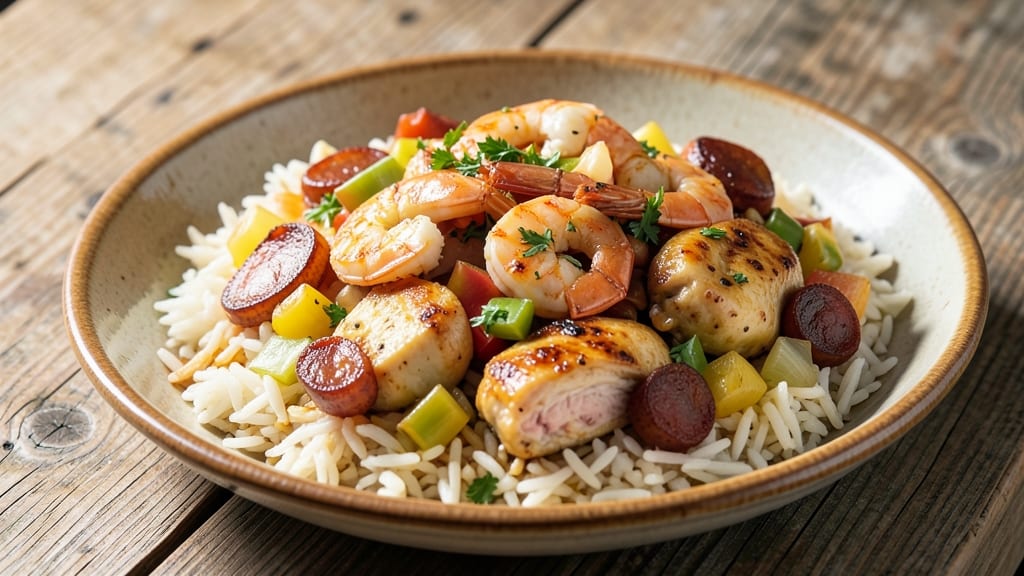
Creating jambalaya in a rice cooker transforms this classic one-pot dish into a hands-off masterpiece that delivers restaurant-quality results with minimal effort. The key lies in layering flavors—smoky andouille sausage, tender chicken, and plump shrimp—all simmered together with long-grain rice and a rich Cajun spice blend until perfectly tender.
I’ve perfected this method to ensure the rice absorbs the aromatic broth while maintaining its texture, and the rice cooker handles the timing automatically for foolproof execution.
What sets this recipe apart is the balance of technique and simplicity: the sausage and chicken brown first to develop deep, caramelized flavors, while the shrimp adds a touch of elegance at the end.
The rice cooker’s even heat distribution prevents burning and ensures every grain is infused with the savory, spiced broth. With just one pot to manage, cleanup becomes effortless, and the aromatic steam filling your kitchen is proof that great food doesn’t require constant attention.
The result is jambalaya with a harmonious blend of textures—tender meat, fluffy rice, and a sauce that’s rich yet not heavy. The spices meld into a warm, complex profile that’s neither too sharp nor too mild, making it versatile enough for weeknight dinners or weekend gatherings.
Each bite delivers the essence of Louisiana cuisine without the fuss of stovetop monitoring.
Whether you’re feeding a family or meal prepping for the week, this rice cooker jambalaya adapts seamlessly. Serve it with crusty bread to soak up every last drop of that flavorful broth, or pair it with a simple green salad for balance.
The beauty of this method is that it works every time—no guesswork, no overcooking, just perfect jambalaya with zero stress.
Ingredients for jambalaya in rice cooker
Six cups of rice and a pound of protein—this one-pot jambalaya delivers bold Cajun flavors without the stove.
| Ingredient | Amount | Notes |
|---|---|---|
| Long-Grain White Rice 🍚 | 2 cups | Uncooked, medium grain preferred |
| Andouille Sausage 🌭 | 1 lb | Smoked, sliced into half-moons |
| Boneless Chicken Thighs 🍗 | 1 ½ lb | Skinless, cut into bite-sized pieces |
| Large Shrimp 🦐 | 1 lb | Peeled, deveined, tails on |
| Yellow Onion 🧅 | 1 whole | Medium, diced finely |
| Green Bell Pepper 🌶️ | 1 whole | Medium, diced into small pieces |
| Celery Stalks 🥬 | 3 whole | Fresh, diced small |
| Garlic Cloves 🧄 | 4 cloves | Fresh, minced finely |
| Cajun Seasoning 🌶️ | 2 tbsp | Homemade or high-quality blend |
| Dried Thyme 🌿 | 1 tsp | Or 1 tbsp fresh thyme leaves |
| Smoked Paprika 🌶️ | 1 tsp | For depth of flavor |
| Bay Leaves 🍃 | 2 whole | Fresh or dried |
| Chicken Broth 💧 | 2 cups | Low-sodium preferred |
| Tomato Sauce 🍅 | 1 cup | Canned, no sugar added |
| Olive Oil 🫒 | 2 tbsp | Extra-virgin for richness |
| Salt 🧂 | 1 tsp | Adjust to taste |
| Black Pepper 🌶️ | ½ tsp | Freshly ground |
| Lemon Juice 🍋 | 1 tbsp | Freshly squeezed |
The andouille sausage is non-negotiable for that authentic smoky depth. Trader Joe's and Whole Foods carry high-quality smoked varieties, but any reputable butcher will have it too. Opt for the thicker slices—they hold up better during cooking. Chicken thighs stay juicier than breasts in this long simmer, so boneless, skinless is the way to go. Shrimp should be large (21/25 count) for that satisfying bite, and frozen works perfectly—just thaw before adding. For the rice, long-grain white is ideal—it stays separate and absorbs the broth beautifully. Avoid instant rice; this isn't a quick fix.
No andouille? Spicy kielbasa or smoked sausage in a pinch, but expect a slightly different flavor profile. Fresh thyme is ideal, but dried works at one-third the amount. The tomato sauce can be swapped for crushed tomatoes if you prefer a chunkier texture. For extra heat, add a pinch of cayenne or a dash of hot sauce at the end. The Cajun seasoning blend is crucial—Tony Chachere's is a solid store-bought option, but homemade (paprika, garlic powder, onion powder, cayenne, thyme, oregano, black pepper) gives you control. If you're using frozen shrimp, thaw it in cold water before adding to the rice cooker to prevent overcooking.
This jambalaya reheats beautifully—just add a splash of broth or water to restore moisture. Stores for 4-5 days in the fridge, and freezes for 3 months if portioned into airtight containers. For meal prep, double the recipe and freeze half immediately. The rice cooker's even heat ensures no cold spots, so leftovers are just as flavorful as the first serving. Garnish with fresh parsley or a squeeze of lemon before serving to brighten the flavors.
Why You'll Love This Recipe
- One-Pot Magic: I swear by this—just toss in the rice, sausage, chicken, and shrimp, then let the rice cooker do the work. No pots, no pans, no stress. The onions caramelize right in the mix while everything else cooks perfectly.
- Smoky, Savory Bomb: That andouille sausage? It’s the star. Crumbled and crispy in spots, it melts into the rice with a deep, smoky flavor that makes this taste like a restaurant dish. Add the shrimp at the end, and you’ve got a perfect balance of hearty and delicate.
- Meal Prep MVP: Between us, this is my go-to for busy weeks. Cook a big batch—it reheats beautifully—and you’ve got lunch for days. My kids grab it straight from the fridge (yes, even on a Tuesday night), and it’s still packed with flavor.
- Budget-Friendly Feast: Chicken thighs and shrimp stretch for miles, and a single onion and sausage go a long way. You’re feeding a crowd for cheap, and leftovers? They’re just as good the next day—if they last that long.
Step-by-step instructions for jambalaya in rice cooker
This method delivers restaurant-quality jambalaya with minimal effort and maximum flavor.
Sauté the Base Ingredients
Place the rice cooker on the sauté function (or use a separate pan if your model doesn't have this feature). Add the 2 tablespoons olive oil and heat over medium-high heat until shimmering. Add the 1 whole yellow onion, 1 whole green bell pepper, and 3 whole celery stalks, all diced finely. Cook for 5-6 minutes until the vegetables soften and begin to release moisture.
Next, add the 4 cloves garlic cloves, minced finely, and cook for 30 seconds until fragrant. This step builds the aromatic foundation of your jambalaya. If the vegetables begin to stick, reduce heat slightly and stir occasionally. Real talk: This is the moment that matters—proper browning develops deep flavor that carries through the entire dish.
Brown the Protein and Season
Push the sautéed vegetables to one side of the rice cooker and add the 1 lb andouille sausage, sliced into half-moons. Cook for 3-4 minutes until the sausage begins to brown and release its smoky flavor. Add the 1.5 lb boneless chicken thighs, cut into bite-sized pieces, and cook for another 4-5 minutes until the chicken is no longer pink on the outside.
Stir in the 2 tablespoons Cajun seasoning, 1 teaspoon dried thyme, 1 teaspoon smoked paprika, 1 teaspoon salt, and 0.5 teaspoon black pepper, coating all ingredients evenly. Add the 2 whole bay leaves and the 1 cup tomato sauce, stirring to combine. This is where the spices meld with the proteins, creating a flavorful base for the rice.
Add Rice and Liquid
Pour in the 2 cups long-grain white rice, stirring gently to distribute evenly. Add the 2 cups chicken broth and mix well. The rice should be fully coated with the broth and tomato sauce mixture. If the mixture appears too thick, add a splash of water—just enough to create a loose, soupy consistency. This ensures the rice cooks evenly and absorbs all the flavors.
Here's the thing—don't skip stirring the rice once after adding the liquid. This prevents clumping and ensures each grain gets exposed to the flavorful broth. The rice cooker will handle the rest, but this initial mixing is critical for even cooking.
Cook and Finish
Close the rice cooker lid and select the white rice setting (or standard rice setting if your model doesn't specify). Cook for 20 minutes until the rice cooker switches to the keep-warm function. At this point, the rice should be tender, and the liquid should be mostly absorbed. If there's still liquid remaining, let it sit for an additional 5 minutes—the residual heat will finish cooking the rice.
Remove the lid and stir in the 1 lb large shrimp, peeled and deveined with tails on. Sprinkle with 1 tablespoon lemon juice and let it sit for 2-3 minutes to heat through. The shrimp should turn opaque and curl slightly at the edges. If the jambalaya appears too dry, add a splash of water or chicken broth to loosen it slightly.
Rest and Serve
Let the jambalaya rest for 5 minutes before serving. This allows the flavors to meld and the rice to absorb any remaining liquid. The dish should be thick but still moist, with tender chicken, perfectly cooked shrimp, and fragrant rice infused with the smoky andouille sausage.
Serve immediately with crusty bread or over a bed of greens. Each bite should deliver a harmonious blend of spices, tender proteins, and perfectly cooked rice. The rice cooker method ensures minimal cleanup and maximum flavor—exactly what you want from a one-pot dish.
Pro Tips For Making Jambalaya In Rice Cooker
- Brown the Sausage First: Don’t just toss those andouille links in raw—they’ll turn mushy instead of crispy. Slice them into half-moons, sear in the rice cooker’s pot (if it’s safe) or a separate pan until the edges are golden, then transfer to the cooker. This step makes a real difference in texture, especially when you’re relying on the rice cooker’s gentle heat.
- Trim the Chicken Fat: Chicken thighs with skin and fat are flavorful, but in jambalaya, that extra fat can make the rice greasy. Pat the skin off, then trim any thick fat deposits—just leave a thin layer for moisture. I learned this the hard way when my first batch turned out soggy instead of tender.
- Don’t Overcrowd the Shrimp: Tossing in all the shrimp at once? They’ll steam instead of sear. Add them in batches during the last 3-4 minutes of cooking, letting each layer get a quick sizzle in the broth. This keeps them juicy and just cooked through, not rubbery.
- Use the Right Rice Ratio: The rice cooker’s default 1:2 rice-to-water ratio works for plain rice, but jambalaya’s broth and protein need more liquid. Try 1:1.5 rice to broth (or water) for a drier, more flavorful result—this prevents a mushy, gluey mess. (Yes, even if it looks like you’re drowning the rice.)
Make-ahead tips for jambalaya in rice cooker
Prep Ahead Strategy
Chop all vegetables—onion, bell pepper, and celery—up to 3 days in advance and store in an airtight container in the fridge. Pre-mince the garlic and portion the Cajun seasoning into small bags for easy access.
This saves 20-30 minutes on cooking day. Honestly, I always prep these ingredients on Sunday so my weeknight meals are stress-free. 💡
Protein Pre-Cooking
Brown the sausage and chicken thighs 1-2 days ahead and refrigerate in a sealed container. When ready to cook, simply reheat them in the rice cooker for 3-4 minutes before adding the rice and broth.
This step cuts down on active cooking time by 15 minutes and intensifies the flavors. Just be sure to store them with any accumulated juices to retain moisture.
Frozen Shrimp Hack
Use frozen shrimp straight from the freezer—no thawing required! Add them directly to the rice cooker during the final 2-3 minutes of cooking. The cold shrimp will help cool the jambalaya slightly, preventing overcooking.
I always keep a bag of 21/25 count shrimp in the freezer for this exact purpose. The tails stay intact, adding a nice presentation touch. 🦐
Make-Ahead Freezing
Freeze jambalaya in portion-sized containers (about 2 cups per container) for easy reheating. Label with the date—it keeps for 3 months without losing texture.
When ready to eat, thaw overnight in the fridge, then reheat in the rice cooker on the sauté function with 2 tablespoons water or broth for 5-7 minutes. Stir occasionally to restore moisture.
Rice Cooker Shortcuts
Use your rice cooker's delay timer to start cooking while you're still at work or running errands. Set it for 1 hour before you plan to eat—the jambalaya will be perfectly tender and ready when you walk in the door.
This is a game-changer for busy weeknights. Just make sure to add the shrimp fresh at the end when you're ready to serve.
Garnish Prep
Wash and dry fresh parsley or green onions ahead of time and store them in a small container with a damp paper towel. These garnishes add brightness and color to the dish, and having them prepped means you can dress your jambalaya in seconds.
A squeeze of lemon juice right before serving also elevates the flavors—always keep a small bowl of fresh lemon wedges on hand. ✨
Nutrition facts
Frequently asked questions
Can I use instant rice in my rice cooker jambalaya?
Instant rice works in a pinch, but it won't give you the same texture or flavor absorption as long-grain white rice. The grains tend to get mushy and clump together, losing that perfect jambalaya consistency. If you must use it, reduce the liquid by 25% and cook for 10 minutes instead of the full cycle. For best results, stick with long-grain rice—it's worth the extra 20 minutes of cooking time.
What if my rice cooker doesn't have a sauté function?
No problem! Sauté the vegetables and proteins in a separate skillet first, then transfer everything to the rice cooker before adding the rice and broth. Just make sure to scrape up all the browned bits from the pan—they're packed with flavor. This two-pot method still delivers delicious jambalaya with minimal extra effort.
How do I adjust the spice level for picky eaters?
Start by reducing the Cajun seasoning to 1 tablespoon instead of 2 tablespoons. Skip the smoked paprika and cayenne if included, and use half the amount of black pepper. For extra mildness, add 1 cup extra chicken broth to dilute the spices. You can always add more seasoning later if needed.
Can I make this jambalaya without shrimp?
Swap the shrimp for 1 cup cooked white beans or 1 lb cooked chicken breast for extra protein. If using chicken, cut it into bite-sized pieces and add it with the sausage and chicken thighs. For a seafood alternative, try 1 lb mussels or clams—add them during the final 5 minutes of cooking. The dish will still be hearty and flavorful.
Why does my jambalaya turn out too dry?
This usually happens when the rice absorbs all the liquid too quickly. Next time, add ½ cup extra broth when mixing with the rice, or stir in 2 tablespoons water or broth during the final 5 minutes of cooking. The rice cooker's keep-warm setting helps maintain moisture, but don't let it sit too long after cooking. Serve within 30 minutes for best texture.