
Soups & Stews
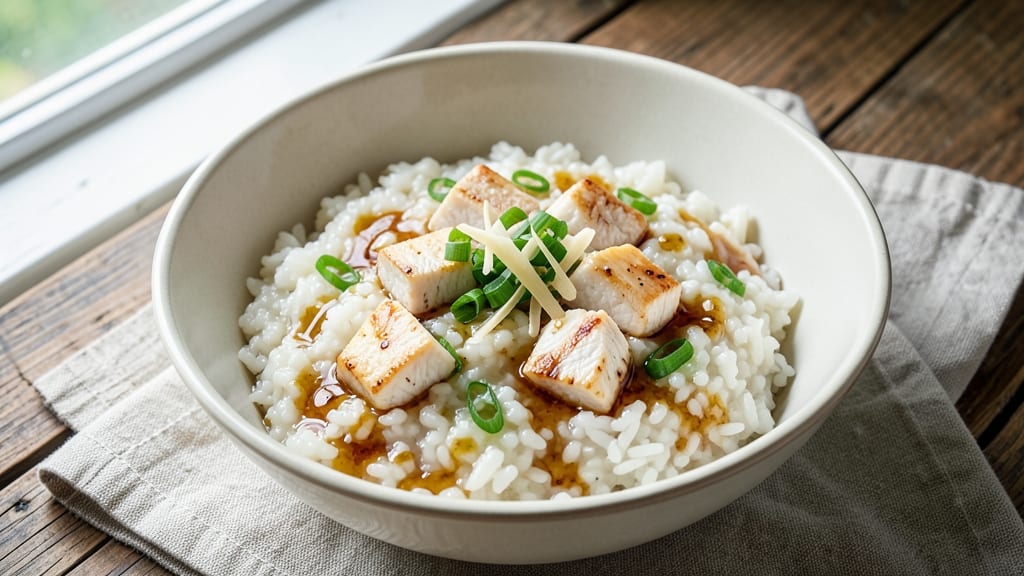
This fish porridge rice cooker recipe transforms humble ingredients into a velvety, comforting bowl of harmony in just 20 minutes—no stove required. I first discovered it during a Boston winter when my rice cooker became my secret weapon for quick, nourishing meals.
The key lies in balancing tender fish flakes with perfectly cooked rice, creating a dish that’s both traditional and effortless.
The beauty of this recipe is its simplicity: just a few ingredients work together in your rice cooker to create a dish that’s rich in flavor and texture. The fish dissolves into delicate flakes while the rice softens into a creamy porridge, all simmered together with aromatic ginger and scallions.
It’s the kind of meal that feels indulgent yet requires minimal effort—ideal for busy weeknights or cozy weekends.
What you’ll end up with is a bowl of silky fish porridge that’s tender, aromatic, and deeply satisfying. The fish melts into the rice, creating a luxurious consistency, while the seasonings add layers of warmth.
This dish is perfect for anyone looking to enjoy a comforting, restaurant-quality meal without the fuss of traditional cooking methods.
Whether you’re serving it as a light lunch or a hearty dinner, this recipe scales easily and adapts well to different fish varieties. Let’s get started—your rice cooker is about to become your new best friend for creating this comforting classic.
Ingredients for fish porridge rice cooker
Just twelve ingredients transform your rice cooker into a Japanese comfort bowl.
| Ingredient | Amount | Notes |
|---|---|---|
| Jasmine Rice 🍚 | 1 ½ cups | Uncooked, long-grain preferred |
| White Fish Fillets 🐟 | 12 oz | Cod, haddock, or tilapia preferred |
| Fresh Ginger 🧄 | 1 tbsp | Finely grated, aromatic |
| Green Onions 🧅 | 3 whole | Thinly sliced, white and green parts |
| Dashi Powder 🍜 | 1 tsp | For umami depth, optional |
| Soy Sauce 🍶 | 1 tbsp | Light or regular preferred |
| Sesame Oil 🫒 | 1 tsp | Toasted, for aroma |
| Mirin 🍶 | 1 tbsp | Sweet rice wine, optional |
| Water 💧 | 2 ½ cups | Room temperature preferred |
| Salt 🧂 | ½ tsp | Adjust to taste |
| Vegetable Oil 🫒 | ½ tbsp | For fish searing |
| White Pepper 🌶️ | ¼ tsp | Freshly ground preferred |
The fish is the heart of this dish, so pick something mild and flaky—cod or haddock are my go-tos, but tilapia works in a pinch. Local fish markets often have the freshest cuts, but the frozen section at Whole Foods or Trader Joe's is reliable too. Look for fillets with firm, translucent flesh and no fishy odor. If using frozen, thaw overnight in the fridge—never under running water, or you'll end up with mushy fish. The rice? Jasmine rice is ideal for its delicate, fragrant texture, but any long-grain will do. Rinse it before cooking to remove excess starch, which keeps the porridge silky instead of gummy.
No dashi powder? Instant miso paste or a splash of fish stock works just as well. Skip the mirin? A touch of honey or extra soy sauce balances the flavors. The ginger and green onions can be swapped for scallions or chives if needed—just adjust the amount to taste. For extra richness, add a dash of butter at the end, but keep it optional for a lighter version. If your fish is particularly lean, a half teaspoon of olive oil stirred in at the finish adds body. And if you're feeling adventurous, swap the white pepper for a pinch of freshly cracked black pepper—it’s a subtle but noticeable difference.
This dish reheats beautifully, though the rice cooker method means it’s ready in one go. Store leftovers in an airtight container for up to 3 days—the flavors actually deepen overnight. For meal prep, double the batch and freeze portions for up to 2 months. Just thaw in the fridge and reheat gently. The fish will stay tender if you avoid boiling it, so keep an eye on the rice cooker’s steam setting. And if you’re serving it as a light lunch, garnish with extra green onions and a drizzle of toasted sesame oil right before eating—it makes all the difference.
Why You'll Love This Recipe
- Umami Bomb: That dashi powder transforms flaky white fish into something rich and savory, while fresh ginger and green onions add a bright, zesty kick. Honestly, it’s the kind of flavor that makes you want to eat it straight from the pot.
- Lunchbox Hero: Pack it cold or reheat it—this porridge stays delicious either way. Between us, it’s my go-to for work lunches because it’s filling, protein-packed, and feels fancy without the effort.
- Budget-Friendly Feast: A single fillet stretches over rice, and a tiny knob of ginger goes a long way. I’ll be real: this recipe lets me feed my family well without breaking the bank. Plus, leftovers taste just as good the next day.
Step-by-step instructions for fish porridge rice cooker harmony
This method transforms simple ingredients into a velvety porridge with delicate fish flakes in under 20 minutes.
Prepare the Fish and Aromatics
Begin by slicing the 12 oz white fish fillets into ½-inch cubes. I prefer cod or haddock for their mild flavor and firm texture that holds up well during cooking. Pat the fish pieces completely dry with paper towels—this ensures they'll sear properly rather than steam.
Next, finely grate the 1 tablespoon fresh ginger using a microplane or the finest grater setting. The goal is a paste-like consistency that will infuse flavor without becoming noticeable chunks. Thinly slice the 3 whole green onions, separating the white and green parts—you'll use them differently in the recipe. Set these aside until needed.
Sear the Fish in the Rice Cooker Pot
Add the ½ tablespoon vegetable oil to your rice cooker's inner pot and heat it over medium-high heat until shimmering. The oil should be hot enough to sizzle when the fish touches it—this creates the perfect foundation for flavor. Add the fish cubes in a single layer and cook undisturbed for 2-3 minutes until they develop a light golden crust on all sides.
Here's the thing—don't overcrowd the pot. If you have more fish than fits comfortably, work in batches. The key is getting that initial sear, which locks in moisture and builds flavor. Once the fish is cooked, transfer it to a plate and set aside. You'll add it back later when the porridge is nearly finished.
Build the Porridge Base
In the same pot (with all that beautiful fish flavor still clinging to the bottom), add the 1 tablespoon finely grated ginger and the white parts of the sliced green onions. Cook for 30 seconds until fragrant—this releases their essential oils and deepens the flavor profile. Then add the 1.5 cups jasmine rice and stir to coat it evenly with the aromatic oils.
Pour in the 2.5 cups water and add the ½ teaspoon salt. Give everything one final stir before adding the 1 teaspoon dashi powder and 1 tablespoon soy sauce. The dashi will add that signature umami depth while the soy sauce provides a touch of saltiness. If using, add the 1 tablespoon mirin now for subtle sweetness that balances the flavors.
Cook the Porridge to Perfection
Place the lid on your rice cooker and select the "porridge" or "white rice" setting. The cooking time will vary slightly by model, but aim for the porridge to reach a thick, creamy consistency—similar to oatmeal but slightly more fluid. This typically takes about 15-18 minutes from when the water begins boiling.
About 3 minutes before the cooking cycle completes, return the seared fish to the pot. Gently stir to distribute it evenly throughout the porridge. The residual heat will finish cooking the fish perfectly, creating delicate flakes that melt into the creamy rice. If the porridge looks too thick, add 1-2 tablespoons of hot water to reach your desired consistency.
Finish and Serve with Elegance
Once the cooking cycle ends, remove the pot from the rice cooker and let it sit covered for 5 minutes. This resting period allows the porridge to thicken slightly and the flavors to meld. Then, drizzle with the 1 teaspoon sesame oil and sprinkle generously with the green parts of the sliced green onions and the ¼ teaspoon freshly ground white pepper.
The sesame oil adds a nutty aroma that wafts through the dish, while the green onions provide a fresh contrast to the rich porridge. Serve immediately while still hot, as the texture continues to improve as it sits. Each spoonful should offer a harmonious blend of creamy rice, delicate fish flakes, and aromatic seasonings—proof that simple ingredients can create something truly special.
Pro Tips For Making Fish Porridge Rice Cooker
- Parboil Fish First: Skip the raw fish in broth—it turns to mush. Poach the fillets in simmering water with a pinch of salt for 2-3 minutes until just opaque, then shock in ice water. This keeps them firm and flaky when they finally hit the rice cooker, where they’ll melt into the porridge like a dream.
- Toast the Ginger: I used to just chop and toss the ginger. Now I thinly slice it, fry in a dry pan for 30 seconds until fragrant and just turning golden, then add it to the rice cooker. That quick toast deepens the flavor without overpowering—no one will guess you skipped the wok.
- Don’t Crowd the Rice: The rice cooker’s porridge mode isn’t a black hole. Use 1:1.5 rice-to-water ratio (not the 1:2 you’d use for regular rice) and spread the jasmine rice evenly in the bottom. Packing it tight leads to gummy, uneven texture—like trying to make silk from sand.
- Reserve the Dashi: Mix half the dashi powder into the rice and save the rest for the final 5 minutes of cooking. This two-step approach builds flavor gradually—no sudden salt bombs or flat broth. (Yes, even if the recipe says to add it all at once.)
Flavor customization for this recipe
Spicy Kick
If you love heat, add ½ teaspoon of gochujang paste or 1 teaspoon of sriracha to the porridge base while cooking. The Korean-inspired gochujang brings deep, fermented spice, while sriracha offers a tangy, fruity heat.
For extra depth, stir in ½ teaspoon of toasted sesame seeds at the end—this adds nutty crunch that balances the spice beautifully. 🌶️
Citrus Brightness
Brighten the dish with 1 tablespoon of freshly squeezed yuzu juice or lemon juice during the final 3 minutes of cooking. The acidity cuts through the richness of the fish and rice, adding a refreshing zing.
I like to finish with thinly sliced daikon radish for a crisp, peppery contrast that keeps each bite lively.
Umami Boost
For an extra layer of savory depth, stir in 1 teaspoon of bonito flakes (dried fish flakes) or ½ teaspoon of fish sauce when adding the dashi powder.
These ingredients amplify the umami flavor naturally found in the fish. If you're using bonito flakes, add them just before serving so they don't overpower the dish.
Herbaceous Twist
Swap the green onions for thinly sliced chives or cilantro to give the dish a fresh, herbaceous note. Chives add a mild onion flavor, while cilantro brings a bright, citrusy aroma.
For a more complex herb profile, mix both into the final garnish. I also like adding ½ teaspoon of finely chopped mint for a refreshing twist.
Sweet & Smoky
Add a touch of sweetness and smokiness by stirring in ½ teaspoon of smoked paprika and 1 teaspoon of honey during the final 5 minutes of cooking. This pairing works surprisingly well, especially if you're using a milder fish like tilapia.
The smokiness complements the rice cooker's natural steam, while the honey balances the savory flavors. 🔥
Vegetable Medley
For a heartier version, stir in ½ cup of finely diced zucchini or mushrooms when building the porridge base. These vegetables soften beautifully during cooking and add texture. I also like adding ½ cup of baby spinach in the last 2 minutes to wilt it gently.
The spinach adds a subtle earthiness that pairs perfectly with the fish and rice.
Nutrition facts
Frequently asked questions
Can I use frozen fish in this rice cooker porridge?
Yes, but thaw it properly first! Place frozen fish fillets in a sealed bag and refrigerate overnight. Never thaw under running water—it makes the fish mushy. For extra insurance, pat the thawed fish completely dry before searing to maintain texture. If short on time, use previously frozen fish that's been kept in the freezer for no more than 3 months.
What if my rice cooker doesn't have a porridge setting?
No problem! Use the regular "white rice" setting but add 1 extra cup of water to create a creamier texture. Stir the porridge gently after cooking if it's too thick—just add 1-2 tablespoons of hot water at a time. The key is achieving that silky consistency similar to oatmeal. Most rice cookers maintain heat well enough to reach the perfect porridge state.
Can I make this with other proteins besides fish?
While fish is traditional, you can adapt this for chicken or shrimp! For chicken, use 1 cup of diced breast and cook it separately until fully done before adding to the porridge. For shrimp, add them during the final 3 minutes of cooking so they don't overcook. The rice cooker method works beautifully with these alternatives too—just adjust cooking times accordingly.
Why did my fish turn rubbery instead of flaky?
This usually happens from overcooking or not searing properly. Make sure to pat the fish completely dry before searing, and cook it just until golden (2-3 minutes). Add the fish back to the porridge only in the last 3 minutes of cooking—this lets the residual heat finish it gently. Also, avoid using fatty fish like salmon, which can break down too much.
How can I make this dish more filling?
Add ½ cup of cooked quinoa or barley to the porridge base for extra protein and texture. For heartier versions, stir in ½ cup of diced tofu or mushrooms during cooking. Garnish with a soft-boiled egg on top or serve with steamed greens on the side. The rice cooker handles these additions beautifully while keeping the dish cohesive.