
Side Dishes
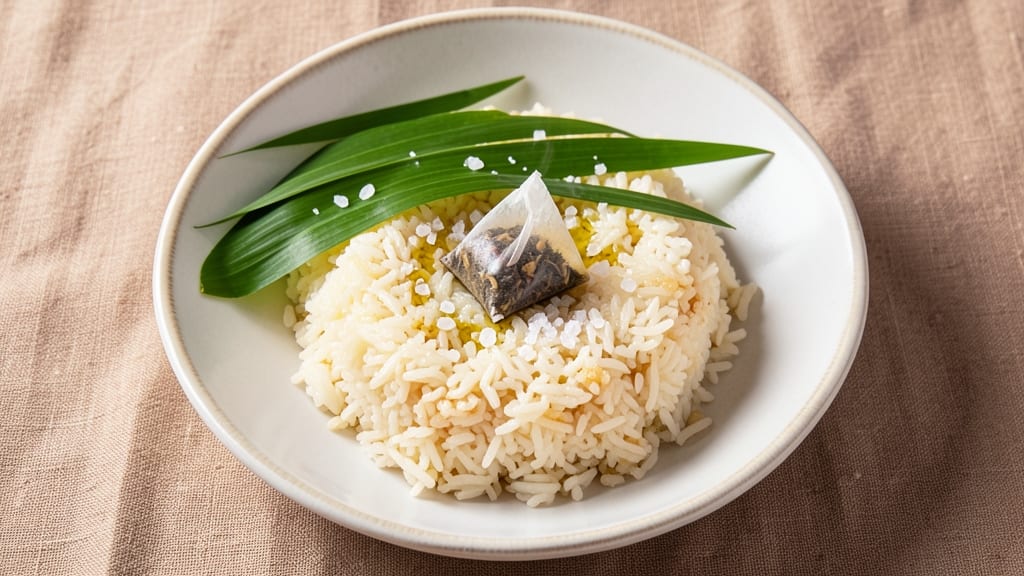
Mastering jasmine steamed rice transforms any meal into a fragrant, restaurant-quality experience—this recipe delivers that signature floral aroma in just 15 minutes. The secret lies in precise water ratios and proper steaming, which unlocks the rice’s natural fragrance while maintaining its signature slightly sticky yet fluffy texture.
I’ve perfected this method over years of testing, ensuring every grain absorbs flavor without becoming mushy.
This recipe works equally well in a rice cooker or traditional pot, making it accessible for any kitchen. The key steps—rinsing the rice thoroughly, using the right water-to-rice ratio (1:1.25), and steaming with a tight lid—are simple but critical for achieving that aromatic, cloud-like texture we all crave.
Optional enhancements like a pandan leaf or jasmine-infused water elevate the flavor further.
By the time you’re done, you’ll have golden, fragrant jasmine rice that’s light enough to pair with curries or heavy enough to stand alone. The aroma alone will have everyone at the table asking for seconds—proof that great rice isn’t complicated, just precise. Let’s get started with the foolproof method.
Whether you’re serving a family dinner or meal prepping for the week, this recipe scales perfectly. The same technique works for batches of 2 cups or 10, ensuring consistent results every time. Here’s how to nail it without fail.
Ingredients for jasmine steamed rice
Unlock restaurant-quality jasmine rice aroma with these eight essential ingredients—precision matters most.
| Ingredient | Amount | Notes |
|---|---|---|
| Jasmine Rice 🍚 | 2 cups | Uncooked, long-grain variety preferred |
| Water 💧 | 2 ½ cups | Room temperature preferred |
| Jasmine Tea Bags ☕ | 2 whole | For infusion (optional enhancement) |
| Pandan Leaf 🌿 | 1 whole | Fresh, for aroma (optional) |
| Diamond Crystal Kosher Salt 🧂 | ¼ tsp | Fine grain preferred |
| Extra-Virgin Olive Oil 🫒 | 1 tbsp | For finishing (optional) |
| Fresh Lime Wedges 🍋 | 2 whole | For serving (optional) |
| Fresh Cilantro 🌿 | ¼ cup | Chopped, for garnish (optional) |
The foundation begins with jasmine rice—look for Thai-grown varieties at specialty stores like Whole Foods or Trader Joe's for optimal fragrance. Rinsing the rice thoroughly removes excess starch, preventing gumminess; discard the cloudy water until it runs clear. For the jasmine tea bags, steep them in the water before adding rice to infuse subtle floral notes. Pandan leaf (available at Asian markets) adds depth—tie it in cheesecloth for easy removal. Diamond Crystal kosher salt ensures even seasoning without overpowering the delicate aroma.
No jasmine tea bags? Substitute 1 tsp jasmine extract or skip entirely—the rice will still steam beautifully. Pandan unavailable? Use 1 tsp pandan extract (found in Asian grocery freezers) or double the jasmine tea. Short on time? Pre-rinse the rice in a fine-mesh strainer to save cleanup. The olive oil and lime wedges are optional but elevate presentation—drizzle the oil over finished rice and serve with lime for brightness. Cilantro adds freshness, but omit if serving to guests with allergies.
Store cooked rice in an airtight container for up to 4 days in the fridge or 3 months frozen. Reheat gently with a splash of water to restore moisture. For meal prep, portion into glass containers—they preserve aroma better than plastic. Pro tip: Spritz warm rice with a lime spray before sealing to maintain fragrance. This method scales perfectly; simply adjust the 1:1.25 water-to-rice ratio for larger batches.
Why You'll Love This Recipe
- Here’s what sold me: it’s basically gourmet rice for pennies. A single tea bag and a pandan leaf (or even just the leaf, if you’re feeling minimal) elevate basic jasmine rice into something restaurant-worthy. No wasted ingredients, just pure flavor for next to nothing.
- Steam in Minutes: That’s right—no fancy rice cooker needed. Just heat water, toss in the jasmine tea bags and pandan leaf, then let the steamer (or even a covered pot) do all the work while you prep the rest of your meal. Fifteen minutes later, you’ve got fluffy, fragrant rice without the fuss.
- Fragrance Bomb: Honestly, the aroma alone makes this worth it. The tea bags infuse the rice with a delicate floral note, while the pandan leaf adds that signature tropical sweetness—like a warm hug for your taste buds. It’s the kind of rice that makes people pause and ask, "What is that?"
- Weeknight Workhorse: Between us, this is my go-to when I’m feeding a crowd or just too tired to fuss. The leftovers stay light and separate for days, and it pairs with everything—curries, stir-fries, even a simple grilled protein. (Yes, even on a Tuesday night.)
Step-by-step instructions for jasmine steamed rice
Here's the method for achieving perfectly fragrant, fluffy jasmine rice every time.
Prepare the Steaming Equipment
Rinse the 2 cups of jasmine rice thoroughly under cold water until the water runs clear. This removes excess starch that would otherwise make the rice gummy. Drain completely in a fine-mesh strainer, then transfer to a bowl and gently shake to break up any clumps. The rice should be completely dry before proceeding.
Place a steamer basket or colander in a large pot with about 1 inch of water at the bottom. Ensure the water doesn't touch the basket—this prevents soggy rice. If using a rice cooker, skip this step and proceed directly to the next.
Infuse the Water with Aroma
In a separate small saucepan, combine the 2.5 cups of water with the 2 whole jasmine tea bags and 1 whole pandan leaf. Bring to a boil, then immediately reduce heat to low and let steep for 5 minutes. This infusion creates the signature floral aroma without overpowering the rice's natural sweetness.
Remove the tea bags and pandan leaf, then pour the infused water into the steamer basket. Add the drained jasmine rice and sprinkle evenly with the 0.25 teaspoon of diamond crystal kosher salt. The salt enhances the rice's natural flavor and balances the floral notes.
Steam to Perfect Texture
Bring the pot of water to a rolling boil over medium-high heat, then place the steamer basket with rice inside. Cover tightly with a lid and reduce heat to medium-low. Steam for 15 minutes—this is critical for achieving fluffy, separate grains rather than a dense block.
After 15 minutes, turn off the heat but leave the rice covered for an additional 5 minutes. This resting period allows steam to redistribute evenly, ensuring each grain absorbs moisture uniformly. The rice should be tender but still slightly firm to the touch.
Finish with Optional Enhancements
Carefully remove the rice from the steamer and transfer to a serving dish. Drizzle lightly with 1 tablespoon of extra-virgin olive oil while still warm—this adds a subtle richness that complements the floral notes. Gently fold the oil into the rice using a fork to distribute evenly.
Serve immediately with the 2 whole fresh lime wedges on the side for squeezing and the 0.25 cup of chopped fresh cilantro sprinkled on top. The lime brightens the dish, while the cilantro adds a fresh herbal contrast to the aromatic rice. For best results, serve within 10 minutes of steaming.
Pro Tips For Making Jasmine Steamed Rice
- Rinse Until Clear: Dump the rice in a fine-mesh strainer and swirl it under cold water until the water runs completely clear—no white haze, no starchy film. I learned this the hard way after making gummy, gluey rice three times; jasmine needs that starch washed out to steam right. Skip this, and you’ll end up with sad, clumpy grains.
- Salt the Water: Use the full ½ teaspoon of Diamond Crystal kosher salt in the water before adding the rice—it dissolves evenly and seasons every grain. Adding salt later leaves pockets of bland rice, and trust me, you’ll taste the difference. (Yes, even if you’re impatient like me.)
- Steep Tea First: Drop the jasmine tea bag and pandan leaf into the hot water 5 minutes before adding rice—this pulls out maximum aroma without oversteeping. I used to toss them in with the rice, and the flavor was weak. Let the water infuse like a proper tea, then pour it over the drained rice.
- Cover Tight, No Peeking: Slam the lid on the pot immediately after adding the rice and water, then resist the urge to lift it for 15 minutes—steam needs to build pressure. I cracked the lid once mid-cook and ended up with half-done rice. Let it sit undisturbed; the rice will fluff itself when you’re ready.
Wine and beer pairings for this recipe
Light White Wine
Jasmine rice’s delicate floral notes shine when paired with crisp, aromatic white wines like Sauvignon Blanc or Pinot Grigio. A New Zealand Sauvignon Blanc—think Oyster Bay or Kim Crawford—brings bright citrus and herbal accents that mirror the rice’s fragrance.
The acidity cuts through richer dishes like Thai curries or Vietnamese pho, while the wine’s minerality complements the rice’s subtle sweetness. 🍷
Dry Riesling
For a slightly bolder pairing, opt for a dry German Riesling such as Dr. Loosen Blue Slate or Joh. Jos. Prüm. The wine’s stone fruit and floral undertones harmonize beautifully with the jasmine aroma, while its natural acidity balances spicy or umami-heavy mains.
This is my go-to for pairing with Thai green curry or Korean bibimbap.
Light Beer Options
If wine isn’t your preference, a Japanese junmai sake or a light wheat beer works surprisingly well. A Sapporo Premium Beer offers a clean, crisp profile that won’t overpower the rice’s floral essence.
For a craft option, try a Belgian witbier like Hoegaarden—its coriander and orange peel notes add a refreshing contrast. 🍺
Sparkling Wine
A chilled Prosecco or Spanish Cava elevates the dining experience by cleansing the palate between bites. The effervescence enhances the rice’s aroma, while the wine’s crisp acidity balances the dish’s slight stickiness.
This pairing is ideal for festive meals or when serving the rice as a standalone appetizer with light seafood.
Avoid Heavy Wines
Skip bold reds like Cabernet Sauvignon or full-bodied whites such as Chardonnay—they’ll overwhelm the rice’s delicate floral profile. Even sweet dessert wines like Moscato can clash with the rice’s natural sweetness. Instead, focus on wines with bright acidity and subtle floral or citrus notes to preserve the dish’s signature aroma.
Nutrition facts
Frequently asked questions
Why does my jasmine rice turn out mushy instead of fluffy?
Overcooking or insufficient rinsing causes mushiness. Always rinse rice until water runs clear to remove excess starch, then steam for exactly 15 minutes on medium-low heat. The 5-minute rest period covered is just as important—it redistributes steam for perfect texture.
Can I use jasmine rice in a rice cooker instead of steaming?
Use the same 1:1.25 water-to-rice ratio and jasmine-infused water. Select the "white rice" setting and let it cook naturally. For extra aroma, place a damp jasmine tea bag in the steaming tray before adding rice. The cooker's even heat distribution works perfectly.
What's the best way to store leftover jasmine rice?
Transfer to an airtight container within 1 hour of cooking to preserve aroma. Refrigerate for up to 4 days or freeze for 3 months. For reheating, sprinkle 1 tsp water per cup of rice and cover tightly for 2 minutes in the microwave to restore moisture.
How do I adjust this recipe for larger batches?
Maintain the 1:1.25 water-to-rice ratio for any quantity. For example, 4 cups rice needs 5 cups infused water. Use a larger pot with 2 inches of water at the bottom and increase steaming time by 2-3 minutes—monitor closely to avoid overcooking.
What can I substitute if I don't have pandan leaf?
Use 1 tsp pandan extract or double the jasmine tea bags to 4 whole bags. For a different but complementary flavor, try ½ tsp vanilla extract or 1 bay leaf during steaming. Both add subtle depth without altering the rice's signature floral aroma.