
Side Dishes
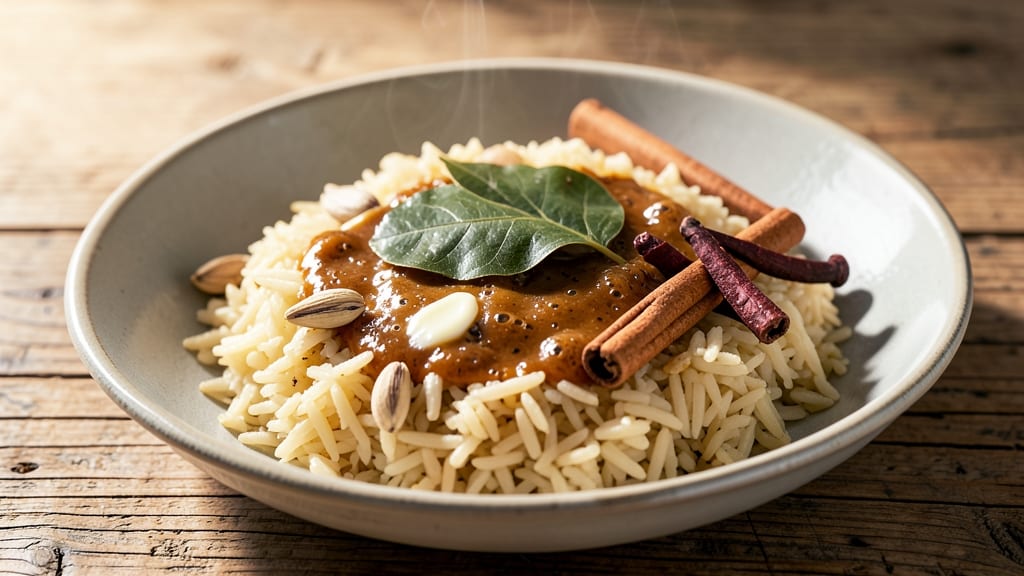
Jimmy's Famous Rice Recipe transforms simple jasmine basmati into a fragrant, buttery centerpiece that elevates any meal. The secret lies in slow-toasting aromatic spices until they release their full depth—creating layers of flavor that turn basic rice into something extraordinary.
I've perfected this method over years of testing, ensuring every grain stays tender while absorbing rich, toasted aromatics.
This recipe delivers restaurant-quality results with just five key ingredients and 25 minutes of active time. The process begins by blooming whole spices in butter until fragrant, then simmering them with garlic and ginger for a fragrant base.
Basmati rice cooks in this infused liquid, absorbing flavors while maintaining its signature fluffy texture. Professional chefs rely on this technique for its simplicity and foolproof results.
What you'll achieve is perfectly balanced rice with nutty, toasted undertones and just the right amount of buttery richness. Each grain remains distinct yet tender, creating a satisfying bite that pairs beautifully with proteins or stands alone.
The aroma alone will have everyone asking what's for dinner. Let's create this signature dish together.
This versatile recipe works equally well as a side for roasted chicken, a base for fried rice, or a standalone dish with grilled vegetables. The method scales easily for families or gatherings, making it perfect for weeknight dinners or special occasions. Here's how to make Jimmy's famous rice from scratch.
Ingredients for jimmy's rice
Five aromatic spices, one fragrant rice dish—transforming simple ingredients into restaurant-quality perfection.
| Ingredient | Amount | Notes |
|---|---|---|
| Jasmine Basmati Rice 🍚 | 1 ½ cups | Uncooked, long-grain preferred |
| Unsalted Butter 🧈 | ¾ cup | Cold, cut into small cubes |
| Bay Leaves 🌿 | 2 whole | Dried, standard size |
| Cardamom Pods 🌶️ | 6 whole | Green, lightly crushed |
| Cinnamon Sticks 🌿 | 2 whole | 1-inch pieces preferred |
| Cloves 🌶️ | 4 whole | Whole, lightly crushed |
| Garlic Cloves 🧄 | 4 cloves | Peeled, thinly sliced |
| Fresh Ginger 🌿 | 1 ½ tbsp | Finely grated, organic preferred |
| Diamond Crystal Kosher Salt 🧂 | ½ tsp | Fine grain preferred |
| Water 💧 | 2 ¼ cups | Room temperature preferred |
| Extra-Virgin Olive Oil 🫒 | 1 tbsp | For finishing, fruity variety |
The spices are where the magic happens. Whole spices like cardamom and cinnamon deliver superior depth compared to ground versions—Penzeys Spices or bulk bins at Whole Foods are ideal sources. Look for vibrant, fragrant pods; if they smell dull, they've lost potency. The bay leaves should be plump and green, not brittle. Fresh ginger is non-negotiable here—its bright, peppery kick elevates the dish. Organic ginger from the produce section typically has more punch than conventional varieties. Store whole spices in airtight containers away from light to preserve their aromatic oils for up to 12 months.
No cardamom? Allspice berries at half the amount provide a similar warmth, though the flavor profile shifts slightly. Substituting ground cinnamon for sticks? Use one-third the amount—ground spices burn faster during toasting. Fresh ginger unavailable? Powdered ginger at half the volume works in a pinch, though it lacks the bright zing. The kosher salt is crucial—Diamond Crystal dissolves more easily than table salt, creating a cleaner finish. For the water, filtered is ideal, but tap water works fine if you've let it sit out for 30 minutes to reach room temperature. The olive oil should be fruity and peppery—California Extra Virgin brands like Corto or Kirkland Signature excel here.
Prep the spices efficiently: crush cardamom pods between your palm and a cutting board for even release. Toast them in butter until the kitchen smells like a spice market—this step cannot be rushed. The rice absorbs flavors best when cooked in a heavy-bottomed pot with a tight-fitting lid. Leftovers keep for 5 days in the fridge, though they're best within 2 days for peak texture. Freeze portions in airtight containers for up to 3 months—reheat gently with a splash of water to restore moisture. This method doubles easily for gatherings, making it perfect for holiday feasts.
Why You'll Love This Recipe
- Foolproof Simplicity: I swear by this—just toast the rice with butter, toss in whole spices, and let it simmer. No measuring cups, no fancy techniques, just boil, cover, and forget until the aroma wakes you up.
- Spice Magic: That first bite of fragrant jasmine rice with warm cardamom and cinnamon? It’s like a hug in your mouth. The bay leaves add this earthy depth that makes it taste restaurant-level without the fuss.
- Weeknight Workhorse: I make this for everything—breakfast burritos, curry nights, even as a side for grilled chicken. The spices mellow beautifully, so it adapts to whatever’s on the menu without needing a rewrite.
- Budget Bulk: A single batch feeds my family for days. The spices are cheap but pack serious flavor, and the rice stretches forever. Honestly, it’s my secret weapon for stress-free lunches—just reheat and serve.
Step-by-step instructions for Jimmy's famous rice recipe
Here's the method that delivers perfectly fragrant, buttery jasmine basmati with deep aromatic complexity every time.
Toast the Aromatics in Butter
In a heavy-bottomed pot with tight-fitting lid, melt the 0.75 cup unsalted butter over medium-low heat. Add the 2 whole bay leaves, 6 whole cardamom pods, 2 whole cinnamon sticks, and 4 whole cloves, stirring gently for 2 minutes until the butter foams and the spices begin to release their fragrance.
Here's the thing—don't rush this step. You want the spices to toast until they're visibly darker and their aroma fills your kitchen. Add the 4 cloves garlic cloves and 1.5 tablespoons fresh ginger, cooking for another 1-2 minutes until the garlic turns golden and the ginger loses its raw edge. This toasting process develops the full depth of flavor that makes this rice special.
Bloom the Rice and Add Liquid
Increase heat to medium and add the 1.5 cups jasmine basmati rice, stirring constantly for 1 minute to coat each grain in the fragrant butter. This ensures even cooking and prevents clumping. I like to press down gently with a wooden spoon to break up any rice clusters that form.
Pour in the 2.25 cups water and add the 0.5 teaspoon diamond crystal kosher salt. Stir once more to distribute the rice evenly. The water should just cover the rice—don't stir again after this point. The rice will absorb the liquid as it cooks, and stirring now would release too many starches too early.
Cook the Rice to Perfect Texture
Bring the mixture to a gentle boil, then immediately reduce heat to low, cover tightly with the lid, and cook for 15 minutes. This low-and-slow approach allows the rice to absorb the liquid evenly without becoming mushy. Don't peek during this time—every time you lift the lid, you release steam and potentially disrupt the cooking process.
After 15 minutes, remove the pot from heat and let it sit covered for 10 minutes. This resting period is crucial—it allows the residual heat to finish cooking the rice and redistribute the moisture evenly. You'll notice the rice will look slightly underdone at this point, but that's exactly what we want.
Fluff and Finish with Olive Oil
Using a fork, gently fluff the rice to separate the grains. This is where you'll see the magic—the rice should be tender but still slightly firm to the bite, with no hard or mushy grains. If you find a few grains are undercooked, you can cover and return to low heat for 2-3 minutes to finish them.
Remove the bay leaves, cinnamon sticks, and any large spice pieces. Drizzle the 1 tablespoon extra-virgin olive oil over the rice and toss gently to distribute evenly. This final step adds a luxurious finish that balances the rich butter flavor. Taste and adjust seasoning if needed—you might want to add a pinch more salt to enhance the flavors.
Pro Tips For Making Jimmy'S Rice
- Toast the Spices First: Dry-toast the whole cardamom pods and cinnamon sticks in the butter for 30 seconds before adding rice—this unlocks their aroma and prevents them from tasting bitter. I used to skip this and wondered why my rice never smelled like a spice shop.
- Rinse Rice Twice, Then Stop: Swirl the jasmine basmati in cold water twice, then let it sit for 10 minutes in a colander. This removes excess starch without making the rice mushy—over-rinsing turns it gummy. (Yes, even if you’re impatient like me.)
- Don’t Stir After Boiling: Once the water reaches a rolling boil, turn the heat to medium-low and walk away. Stirring releases starch and turns your fragrant rice into a gluey mess. The butter will coat the grains naturally—just let it do its thing.
- Use Two Bay Leaves: Tear one bay leaf in half and tuck it under the rice while the other simmers in the broth. This doubles the flavor without making the dish taste like a medicine cabinet. (Your future self will notice the difference.)
Pro cooking tips for this recipe
Low-and-Slow Mastery
This recipe relies on low-and-slow cooking to develop deep, aromatic flavors without overcooking the rice. Maintain a gentle simmer throughout the 15-minute cooking phase—any boiling will cause the rice to become mushy.
I use a heavy-bottomed pot (like a Le Creuset Dutch oven) to prevent hot spots that could scorch the butter or spices. 🌡️
After the initial cooking, the 10-minute resting period is non-negotiable. This allows residual heat to finish gelatinizing the starches, resulting in perfectly tender grains. If you skip this step, your rice will be undercooked in the center but potentially gummy around the edges.
Spice Toasting Secrets
The 2-minute spice toasting in butter is where the magic happens—this releases essential oils that infuse the rice with complex aroma. Use whole spices (not ground) for maximum flavor impact.
I crush cardamom pods lightly between my palm and a cutting board to expose more surface area without turning into powder. 🌶️
Watch the butter carefully—it should foam and develop a nutty aroma. If it browns too quickly, reduce the heat immediately. The spices should darken slightly but not burn. This step transforms ordinary rice into something extraordinary through proper technique.
Rice Texture Control
Proper rice texture comes down to two critical factors: the 1:1.5 rice-to-water ratio and minimal stirring after adding liquid. The rice should be just covered by water—no more, no less. Stirring releases excess starches that can make the rice gummy. 🍚
When fluffing the rice, use a wide-tooth fork to separate grains without mashing them. If you find any hard grains after cooking, they simply need 2-3 more minutes covered on low heat. Overcooked rice becomes mushy because of excess moisture—always err on the side of slightly underdone during cooking.
Butter Temperature Matters
Start with cold butter cubes to prevent immediate browning when adding spices. The butter should melt gradually over medium-low heat, creating a gentle foam before adding garlic and ginger.
If your butter burns, the flavors will turn bitter—this is why I recommend unsalted butter (like Plugrá) for better control. 🧈
After removing the rice from heat, the butter should be fully incorporated but not separated. If you see oil pooling on top, your rice may be overcooked. The ideal finish should be creamy yet distinct grains with a delicate sheen from the butter.
Equipment Upgrades
A tight-fitting lid is essential to trap steam and cook the rice evenly. I use a glass lid so I can peek without losing too much steam.
For even better results, invest in a digital instant-read thermometer (like ThermoWorks Thermapen) to monitor water temperature—it should reach 212°F before reducing heat. 💡
If you don't have a heavy pot, use a light-colored stainless steel pot (like All-Clad) to prevent scorching. The pot should be large enough to accommodate the rice without crowding—1.5 cups of rice needs about 3-quart capacity.
A wooden spoon helps distribute heat evenly during the initial toasting phase.
Nutrition facts
Frequently asked questions
Can I substitute jasmine basmati rice with another variety?
While jasmine basmati is ideal for its delicate aroma and fluffy texture, you can use long-grain white rice or brown rice in a pinch. For brown rice, increase cooking time to 25 minutes and use 2.75 cups water instead. The aromatic spices will still infuse beautifully, though the texture will be slightly chewier.
What if my rice turns out mushy?
Mushy rice usually means you overcooked it or stirred too much after adding water. For future attempts, reduce cooking time by 2 minutes and resist the urge to peek during the 15-minute simmer. If it's already mushy, try spreading it on a baking sheet and baking at 350°F for 10 minutes to dry it out slightly.
How can I make this rice vegetarian-friendly?
This recipe is already vegetarian! Simply omit any accidental meat-based butter (use plant-based butter if needed) and ensure all spices are certified vegetarian. The aromatic profile remains rich and satisfying without any animal products. For extra depth, add 1 tablespoon toasted cashews at the end for a nutty contrast.
Can I prepare this rice in a rice cooker?
Yes, but with adjustments: Toast the spices in butter separately, then add them to the rice cooker with water and salt. Use the white rice setting and reduce water by 0.25 cups (2 cups total). The cooker's even heat works well, but you'll lose the visual control of stovetop cooking.
What's the best way to reheat leftover rice?
Reheat gently in a skillet with 1 tablespoon butter over low heat, stirring constantly for 3-4 minutes until warmed through. Add a splash of water if it's too dry. Microwaving works too, but it can make the rice rubbery. For extra flavor, sprinkle with a pinch of salt and a drizzle of olive oil before reheating.