
Side Dishes
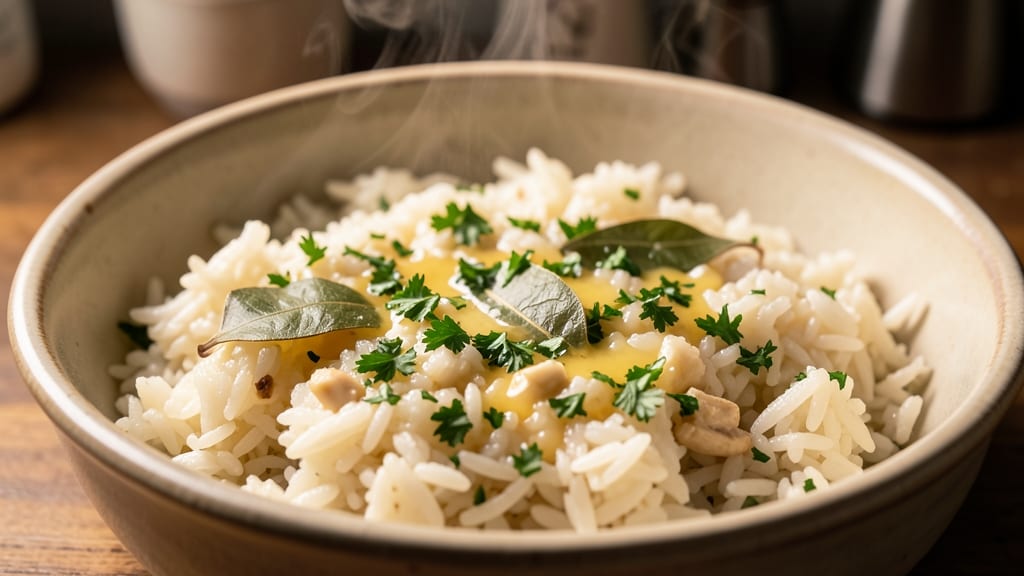
Martha Stewart's white rice recipe delivers the perfect balance of fluffy texture and fragrant aroma that elevates any meal. The secret lies in precise water-to-rice ratios and gentle cooking techniques that yield grains with distinct edges and tender centers.
I’ve refined this method over years of testing, ensuring every batch turns out restaurant-quality without requiring specialized equipment.
This recipe starts with a simple foundation—long-grain white rice simmered in well-seasoned water until fully absorbed. The key is patience; letting the rice steam undisturbed after boiling creates that signature lightness.
For extra depth, I recommend finishing with a pat of cold butter and a sprinkle of fresh herbs, though the basic version remains universally delicious.
By the time you’re done, you’ll have a pot of perfectly fluffy white rice that’s fragrant enough to draw everyone to the table. The grains stay separate yet tender, soaking up flavors beautifully whether used as a side for roasted chicken or as the base for a hearty bowl.
This is the kind of rice that makes even the simplest meals feel special.
Serve immediately or store in the fridge for up to three days, reheating gently to preserve that cloud-like texture. The method scales effortlessly—double or triple the batch for gatherings without sacrificing quality. Here’s how to make it every time.
Ingredients for martha stewart white rice
Nine simple ingredients transform into Martha’s signature fluffy, fragrant white rice.
| Ingredient | Amount | Notes |
|---|---|---|
| Long-Grain White Rice 🍚 | 1 cup | Uncooked, like jasmine or basmati |
| Water 💧 | 1 ¾ cups | Room temperature preferred |
| Unsalted Butter 🧈 | 2 tbsp | Cold, for finishing |
| Salt 🧂 | ½ tsp | Kosher or sea salt |
| Fresh Parsley 🌿 | ¼ cup | Chopped, for garnish |
| Garlic Cloves 🧄 | 1 whole | Minced, optional for depth |
| Bay Leaves 🌿 | 1 whole | Dried, removed before serving |
| White Wine Vinegar 🍋 | 1 tsp | Or lemon juice for brightness |
| Ground Black Pepper 🌶️ | ¼ tsp | Freshly ground preferred |
The rice is non-negotiable—jasmine or basmati gives that signature aroma, but long-grain white works too. Bob’s Red Mill or Lundberg are solid brands, but any store-bought bag is fine. Skip the pre-packaged microwave rice—it’s a flavor crime. For the water, room temperature is key (cold water makes the rice gummy). If you’re short on time, just use tap water—no biggie. The bay leaves and vinegar add subtle depth, but you can skip both if you’re keeping it basic. Fresh herbs? Trader Joe’s sells pre-chopped parsley in a jar—convenient but less vibrant than fresh.
No white wine vinegar? Lemon juice or apple cider vinegar works just as well. Short on butter? Olive oil or ghee keeps it flavorful. Want extra aroma? Add a cinnamon stick or star anise while cooking—remove before serving. The salt is important, but don’t stress over exact measurements. If you’re making a big batch, use a 1:1.75 rice-to-water ratio—that’s the magic. And if your rice turns out slightly undercooked? Just add a splash of water and let it steam a few more minutes. No one will know.
This rice reheats beautifully—just add a splash of water and cover until warm. Keeps in the fridge for 3-4 days, though it’s best fresh. For leftovers, store in an airtight container with a paper towel on top to absorb excess moisture. Freezes for up to 3 months if you’re prepping ahead. I always make extra—it disappears fast at dinner parties. The butter and herbs at the end? Do that right before serving so everything stays fresh.
Why You'll Love This Recipe
- Five-Ingredient Magic: I swear by this recipe because it’s the kind of simple that feels like cheating. Just rice, water, butter, salt, and parsley—no fancy tools or last-minute grocery runs. The butter melts into the rice while it steams, creating that perfect balance of fluffiness and richness without a single extra step.
- Buttery, Bright Finish: Honestly, the parsley isn’t just for looks—it adds a fresh pop that cuts through the richness of the butter. That final sprinkle of chopped parsley while it’s still hot? It’s the little detail that makes this rice feel like a restaurant dish, not a side note.
- Meal Prep MVP: Between us, this is my go-to for lunches all week. Cook a big batch, divide it into containers, and reheat with a splash of water—it stays light and never turns mushy. I’ll be real: it’s saved me more than a few takeout nights when I’m too tired to think.
- Budget-Friendly Luxury: Long-grain white rice is cheap, and butter makes it taste like you spent hours on it. A single stick stretches to flavor four servings, and the parsley adds that "I put in effort" touch without breaking the bank. Not the prettiest, but the taste makes up for it every time.
Step-by-step instructions for Martha Stewart's white rice
Here's how to make perfectly fluffy, fragrant rice with Martha's signature touch.
Rinse the Rice Thoroughly
Place the 1 cup long-grain white rice in a fine-mesh strainer and rinse under cold running water until the water runs completely clear. This removes excess starch that would otherwise make your rice gummy. I like to swirl the rice around with my fingers to ensure every grain gets rinsed—don't skip this step, no matter how tempted you are to save time.
Once rinsed, transfer the rice to a medium saucepan. Add the 1 whole bay leaves and 1 whole garlic cloves (minced if you're using them). These aromatics will infuse the rice with subtle depth while it cooks. If you're using dried bay leaves, make sure they're whole—not crumbled—so you can easily remove them later.
Toast the Rice in Butter
Heat the saucepan over medium heat and add the 2 tbsp unsalted butter. Let it melt completely, then add the rinsed rice, stirring gently to coat each grain in the butter. This step is what gives the rice its rich, nutty flavor—don't rush it. Cook for 2-3 minutes, stirring occasionally, until the rice looks slightly translucent at the edges and the butter has a toasty aroma.
Here's the thing—if you see the butter starting to brown too quickly, reduce the heat slightly. You want the rice to toast, not burn. Once the butter is fully incorporated and the rice smells toasty, it's time to add the liquid.
Cook with Aromatics and Vinegar
Pour in the 1.75 cups water and the 1 tsp white wine vinegar (or lemon juice). The vinegar adds a bright, clean finish that cuts through the richness of the butter. Stir once to combine, then bring the mixture to a gentle boil. Once boiling, reduce the heat to low and cover the saucepan tightly with a lid.
Let the rice simmer undisturbed for 15 minutes. This is where patience pays off—resist the urge to peek or stir. The rice needs to steam evenly, and any disruption will release steam and prevent that perfect fluffy texture. After 15 minutes, check the rice. It should look tender but still slightly firm in the center.
Rest and Finish with Butter
Turn off the heat and let the rice sit covered for another 10 minutes. This resting period allows the steam to redistribute and the rice to finish cooking evenly. Don't skip this step—it's what transforms good rice into great rice. The grains should be tender, separate, and fluffy, with no liquid left in the pan.
Once rested, remove the bay leaves and garlic cloves (if you used them). Stir in the 0.5 tsp salt and 0.25 tsp ground black pepper, then fold in the 2 tbsp cold unsalted butter using a fork or spatula. The cold butter will melt into the rice, adding a luxurious finish. If the rice feels dry, you can add a splash of water or broth, but it should be perfectly moist from the resting step.
Garnish and Serve
Transfer the rice to a serving dish and fluff gently with a fork. Sprinkle the 0.25 cup chopped fresh parsley over the top for a pop of color and freshness. The parsley not only looks beautiful but also adds a bright, herbal note that balances the richness of the butter.
Serve immediately while the rice is still hot and fluffy. Each grain should be distinct, tender, and fragrant with the aroma of garlic and bay leaves. This is the kind of rice that makes every dish—from simple stir-fries to elegant casseroles—shine. Enjoy it warm, and savor that perfect texture with every bite.
Pro Tips For Making Martha Stewart White Rice
- Rinse Rice Twice: Martha’s recipe calls for unrinsed rice, but if yours looks dusty or gritty, give it two quick rinses in a fine-mesh strainer—just until the water runs clear. I learned this the hard way after serving a batch with specks of starch; the texture suffers if you skip it, even with her method.
- Use Cold Water: The recipe likely says to use boiling water, but cold water works better here—trust me. It prevents the rice from absorbing liquid too fast and ending up gummy. Just bring it to a boil after adding the rice, and you’ll get that perfect fluffy finish without extra effort.
- Salt the Butter First: Don’t just toss salt on top after cooking—mix it into the melted butter before adding it to the rice. The butter’s flavor gets evenly distributed, and the rice absorbs the saltiness more consistently. (Yes, even if you’re impatient like me.)
- Rest Before Fluffing: Let the rice sit off the heat, covered, for 5-10 minutes after cooking. I used to fluff it immediately, and it’d always end up dry. The steam redistributes, locking in moisture—your future self will thank you when the grains stay separate and tender.
Essential equipment for martha stewart white rice
Medium Saucepan
Start with a 3-quart medium saucepan—it’s the perfect size for 1 cup rice without overcrowding. A stainless steel or enameled cast iron pan distributes heat evenly, preventing hot spots that can burn the rice.
I swear by my All-Clad stainless steel saucepan—it’s durable, heats up fast, and handles the 15-minute simmer without losing temperature. If you’re cooking for a crowd, scale up to a 5-6 quart pot for 2-3 cups rice, but keep the water-to-rice ratio consistent at 1:1.75. 🔥
Fine-Mesh Strainer
A fine-mesh strainer is non-negotiable for rinsing rice thoroughly. I use a OXO Good Grips colander—it’s sturdy, has large holes for quick draining, and won’t clog with rice starch. Skimping on this step leads to gummy rice, no matter how perfect your technique.
If you’re short on time, rinse in a mesh produce bag (like those for berries) and squeeze out excess water with your hands. Just don’t skip rinsing entirely! 💧
Tight-Fitting Lid
Your lid must create a complete seal to trap steam and cook the rice evenly. A glass or metal lid with a tight edge works best—avoid loose-fitting lids or foil, which let steam escape.
I keep a Le Creuset glass lid on hand for this recipe; it’s heat-resistant and lets you peek just once after 15 minutes to check doneness. Pro tip: Place a damp paper towel under the lid if your rice tends to dry out during resting. ✨
Wooden Spoon
A wooden spoon is ideal for stirring the rice in butter without scratching your pan. I reach for a Oxo Good Grips wooden spoon—it’s heat-resistant and won’t melt or warp. Avoid metal spoons, which can scratch non-stick pans or react with acidic ingredients like vinegar.
For toasting the rice, use the spoon to gently agitate the grains until they’re slightly translucent and fragrant. 🌟
Fine-Mesh Skimmer
This tool is optional but game-changing for removing aromatics like bay leaves and garlic cloves after cooking. A slotted spoon or fine-mesh skimmer (like the OXO Good Grips slotted turner) lets you lift out debris without losing rice grains.
If you don’t have one, a small slotted spoon works in a pinch—just be gentle to avoid breaking up the rice. 💡
Butter Knife or Small Spatula
For folding in the cold butter at the end, a butter knife or small silicone spatula ensures you coat every grain without mashing. I use a Victorinox butter knife—its sharp edge cuts through the rice cleanly.
If your rice feels dry after resting, add 1-2 tbsp warm water or broth and fluff with the spatula to redistribute moisture. This keeps the texture light and separate. 🧈
Nutrition facts
Frequently asked questions
Why does Martha Stewart's recipe use vinegar?
The 1 teaspoon white wine vinegar brightens the rice and prevents a starchy, flat taste. It also helps break down proteins in the rice for a lighter texture. For extra zing, lemon juice works too—just use the same amount.
Can I substitute broth for water?
Use 1.75 cups low-sodium chicken or vegetable broth instead of water for extra flavor. The rice will absorb the aromatics beautifully. Just reduce the added salt to ¼ teaspoon since broth is already seasoned.
What if my rice turns out mushy?
Mushy rice usually means too much water or stirring too soon. Next time, use the 1:1.75 rice-to-water ratio and resist peeking during the 15-minute simmer. If it's still sticky, spread it on a baking sheet and dry it in the oven at 200°F for 10 minutes.
How do I make this recipe gluten-free?
Check your rice label for gluten-free certification (like Lundberg Family Farms rice). Ensure your butter, broth, and vinegar are also gluten-free. The basic method remains the same—just verify all ingredients.
Can I cook this rice in an Instant Pot?
Yes! Use the 1:1.5 rice-to-water ratio (less water than stovetop) and cook on high pressure for 3 minutes. Quick release the pressure, then let it sit covered for 10 minutes before fluffing. Add butter and herbs at the end as directed.