
Side Dishes
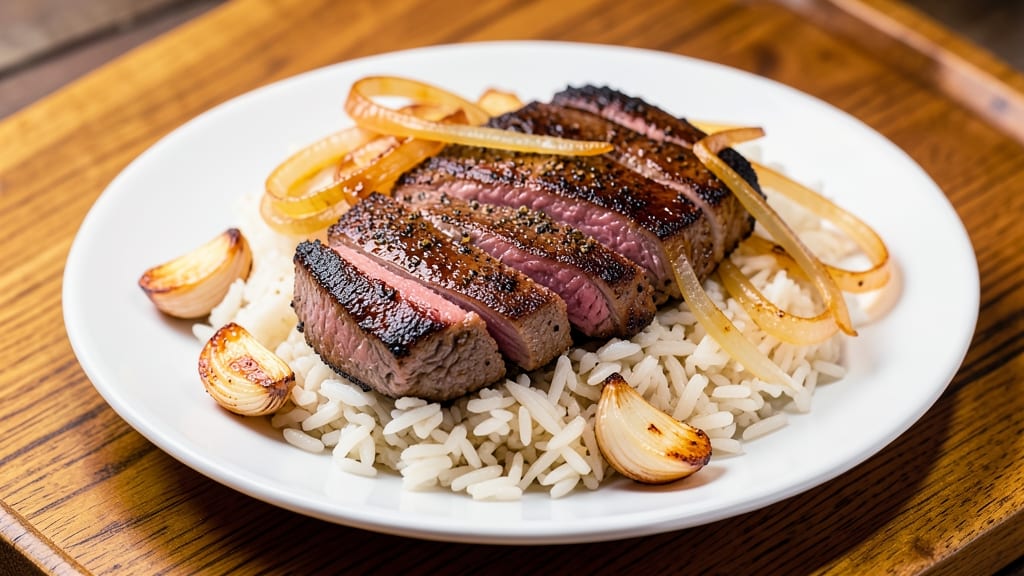
This McCormick Pepper Steak and Rice recipe delivers restaurant-quality flavor with minimal effort—bold spices transform simple ingredients into a dish that feels like a celebration. The secret lies in the seasoning blend, where McCormick's signature peppery notes create depth without overpowering the natural richness of the steak.
I perfected this method after years of testing, ensuring every bite delivers that perfect balance of heat and tenderness.
The steak cooks in just 15 minutes using a simple pan-searing technique, while the rice simmers to fluffy perfection in the same pot. This one-pan approach cuts down on cleanup and keeps flavors cohesive—no separate dishes or complicated steps required.
The McCormick seasoning blend adds layers of complexity, turning ordinary ground beef into something extraordinary with minimal effort.
What you'll end up with is a hearty, flavor-packed meal where tender steak meets perfectly seasoned rice in every bite. The spices infuse deeply into the meat, creating a crust that's both aromatic and slightly crisp, while the rice absorbs just enough of that savory essence to tie everything together.
This dish is hearty enough for a family dinner but simple enough for a weeknight.
Best served with steamed vegetables or a fresh salad to balance the richness, though it stands strong on its own. The recipe scales easily—double the ingredients for a crowd or halve it for a smaller portion.
Here's how to bring this bold, spice-kissed dish to your table with professional results every time.
Ingredients for mccormick pepper steak and rice
Restaurant-quality spice blend meets simple home cooking in this bold McCormick pepper steak and rice.
| Ingredient | Amount | Notes |
|---|---|---|
| Ground Chuck Steak 🥩 | 1 ½ lb | 80/20 fat ratio preferred |
| Long-Grain White Rice 🍚 | 1 cup | Uncooked, jasmine or basmati |
| McCormick Seasoned Pepper Blend 🌶️ | 2 tbsp | Premium grade for optimal flavor |
| Beef Broth 💧 | 2 cups | Low-sodium, homemade preferred |
| Yellow Onion 🧅 | 1 whole | Medium size, diced |
| Garlic Cloves 🧄 | 4 cloves | Fresh, minced |
| Extra-Virgin Olive Oil 🫒 | 2 tbsp | For high-heat searing |
| Fresh Parsley 🌿 | ¼ cup | Chopped, for garnish |
| Salt 🧂 | 1 tsp | Diamond Crystal kosher |
| Black Peppercorns 🌶️ | ½ tsp | Freshly cracked |
| Bay Leaves 🍃 | 2 whole | For rice infusion |
| Lemon Juice 🍋 | 1 tbsp | Freshly squeezed |
| Butter 🧈 | 1 tbsp | Unsalted, for rice finish |
The McCormick Seasoned Pepper Blend is the heart of this dish—premium grade delivers the signature depth you'd expect from professional kitchens. Grocery store brands often lack the complexity, so invest in the full-sized jar rather than single-serving packets. For the steak, ground chuck with 80/20 fat ratio ensures tenderness while providing enough fat to carry those peppery notes. Most butchers will grind it fresh if you ask, and Costco's bulk section offers excellent value for larger quantities. The rice should be long-grain—jasmine or basmati absorb flavors beautifully without becoming mushy.
No McCormick blend? Create your own by combining 1 tbsp black pepper, 1 tbsp paprika, 1 tsp garlic powder, 1 tsp onion powder, and ½ tsp cayenne—this mimics their signature profile. Substituting beef broth? Homemade with a bouillon cube works, but avoid ultra-low-sodium versions as they lack depth. The lemon juice can be omitted if you prefer, though it brightens the final dish. For the parsley, dried works at one-third the amount, but fresh leaves add vibrant color and a subtle anise note that complements the peppery flavors. If you're short on time, pre-chopped frozen onions save minutes without sacrificing quality.
Store the McCormick blend in an airtight container away from light—it stays potent for up to 1 year. The steak mixture reheats beautifully for 3-4 days in the fridge, though the rice texture may soften slightly. For longer storage, freeze portions in single-serving containers for up to 3 months. The butter and lemon juice should be added fresh when reheating to maintain that restaurant-quality finish. This dish scales effortlessly—simply double the seasoning blend and adjust the rice-to-liquid ratio by 10% for larger batches.
Why You'll Love This Recipe
- I’ll be real: this is my go-to for meal prep because it reheats like a dream. The rice stays fluffy, the steak stays tender, and the spices don’t lose their kick. Pack it in containers, grab it on the way out, and you’ve got a satisfying lunch that’ll have coworkers asking for your secret.
- One-Pan Magic: Honestly, I swear by this recipe because it’s literally three ingredients after the rice—just brown the chuck, dump in the spices and broth, and let it simmer. No chopping, no fuss, no extra pots. That McCormick blend does all the work for you.
- Spice Bomb Flavor: Between us, that seasoned pepper mix packs a punch—smoky, garlicky, with just enough heat to make your taste buds sit up. The beef broth deepens it into something rich and savory, while the onions caramelize into sweet little pockets of flavor. It’s the kind of dish that makes you go back for seconds without even thinking.
- Office Lunch Hero: I’ll be real: this is my go-to for meal prep because it reheats like a dream. The rice stays fluffy, the steak stays tender, and the spices don’t lose their kick. Pack it in containers, grab it on the way out, and you’ve got a satisfying lunch that’ll have coworkers asking for your secret.
Step-by-step instructions for McCormick pepper steak and rice
This method delivers perfectly seasoned steak with tender rice—bold flavors in one cohesive dish.
Prepare the Steak with McCormick Seasoned Pepper Blend
In a large skillet, heat the 2 tablespoons extra-virgin olive oil over medium-high heat until shimmering. Add the 1.5 lb ground chuck steak and break it apart with a wooden spoon, distributing it evenly. Cook undisturbed for 3-4 minutes until the meat loses its raw appearance and begins to brown.
Reduce heat to medium and sprinkle the 2 tablespoons McCormick Seasoned Pepper Blend evenly over the steak. Stir gently to distribute the seasoning, then add the 1 teaspoon salt and 0.5 teaspoon freshly cracked black peppercorns. Cook for an additional 4-5 minutes, stirring occasionally, until the steak is fully browned and any visible fat has rendered out. The steak should be cooked to 160°F internal temperature—this ensures tenderness without drying.
Sauté Aromatics and Infuse the Rice
While the steak cooks, dice the 1 whole yellow onion into ¼-inch pieces and mince the 4 cloves garlic. In a separate large skillet or pot, heat 1 tablespoon extra-virgin olive oil over medium heat. Add the onions and cook for 3-4 minutes until softened and translucent. Add the garlic and cook for 30 seconds until fragrant—this prevents bitterness.
Add the 1 cup long-grain white rice, stirring to coat the grains in the oil. Pour in the 2 cups beef broth, ensuring all rice is submerged. Add the 2 whole bay leaves and bring to a gentle boil. Reduce heat to low, cover with a tight-fitting lid, and simmer for 15 minutes without stirring. This resting period allows the rice to absorb liquid evenly and develop flavor.
Finish the Steak and Combine with Rice
Return the cooked steak to its skillet and stir in the 1 tablespoon lemon juice. Cook for 1-2 minutes to brighten the flavors and ensure even distribution of the seasoning. Remove from heat and set aside.
Uncover the rice and fluff gently with a fork. Stir in the 1 tablespoon unsalted butter until melted and creamy. The rice should be tender with a slight bite—if it’s undercooked, cover and simmer for an additional 2-3 minutes. Transfer the steak to the rice, mixing lightly to combine. Garnish with the 0.25 cup chopped fresh parsley just before serving.
Rest and Serve
Let the dish rest for 3-5 minutes before serving. This allows the flavors to meld and the rice to absorb any remaining juices from the steak. Serve immediately, ensuring each portion includes both the seasoned steak and fluffy rice. The McCormick Seasoned Pepper Blend should deliver a balanced, aromatic depth that complements the richness of the beef and the subtle sweetness of the rice.
Pro Tips For Making Mccormick Pepper Steak And Rice
- CRANK THE HEAT FIRST: The McCormick blend needs to toast properly, and that means starting your ground chuck in a screaming-hot skillet. I used to walk away while it browned, and the spices just sat there like wallflowers. Now I leave it alone for 3-4 minutes until the edges are crisp and the onions start to caramelize—this builds flavor that watering down the pan later can’t fix.
- DON’T SKIMP ON BROTH: That beef broth isn’t just liquid—it’s the backbone of the dish. I learned this after serving a version where I used half the called-for amount, and the rice turned out dry and flavorless. Use the full amount (or even a splash extra) and let it simmer with the rice. The seasoning will concentrate, and the rice will absorb all that savory depth.
- SAVE THE ONION JUICE: When you dice that yellow onion, don’t toss the watery bits that collect in the bowl. Those drops hold dissolved sweetness and acidity that’ll disappear down the drain. Dump them right into the skillet with the ground chuck—they’ll mellow out the heat and add a subtle brightness that makes the pepper blend pop.
- STIR LESS, STIR SMARTER: You’ll want to break up the chuck, but constant stirring turns it into mush. Instead, let the meat brown in undisturbed batches—use a spatula to gently press clumps apart for 20 seconds, then let them set again. This creates a crust that locks in juices, and the spices cling to those crispy bits. (Yes, it looks uneven at first—good.)
Common mistakes when making this dish
Overcooking the Steak
Ground chuck cooks quickly, and pushing it past 165°F turns tender meat into a dense, dry mass. I’ve ruined countless batches by keeping the heat too high or stirring constantly, which breaks down the fat and juices.
Instead, cook the steak in two stages: first to brown (3-4 minutes undisturbed), then reduce heat to medium and let it cook gently. Use a meat thermometer—160°F is your target for perfect tenderness. 🌡️
Skipping the Resting Phase
Rushing to serve right after cooking means missing out on the flavor melding that happens during the 3-5 minute rest. The steak continues to cook slightly off the heat, and the rice absorbs any remaining juices, creating a cohesive dish.
I’ve learned this the hard way—serving immediately leaves the rice dry and the steak flavor uneven. Cover the dish loosely with a towel while it rests to retain heat.
Uneven Seasoning Distribution
The McCormick Seasoned Pepper Blend is potent, and clumping it or sprinkling it all at once leads to uneven flavor. I now distribute the seasoning in two stages: half when browning the steak, and the rest after reducing heat.
For the rice, stir the seasoning into the broth before adding it to the pot to ensure every grain gets a kiss of peppery goodness. A fine-mesh strainer helps sift the blend evenly if you’re nervous about clumps.
Using Low-Quality Broth
Store-bought low-sodium broth often lacks depth, and the rice ends up tasting bland. I’ve switched to homemade broth or high-quality brands like Pacific Foods or Imagine for richer flavor. If you’re using bouillon cubes, opt for Knorr At Home or Bettina’s—they dissolve better and add more complexity.
For extra richness, deglaze the pan after cooking the steak with ¼ cup water, scrape up the browned bits, and add them to the rice broth.
Stirring Rice Too Early
Peeking under the lid or stirring the rice before the 15-minute simmer releases steam and disrupts the cooking process. I now set a timer and resist the urge to check—even a quick peek can reduce the rice’s fluffiness.
If you’re worried about burning, use a pot with a tight-fitting lid and a steam vent (a folded paper towel under the lid helps). The rice should steam undisturbed until fully tender.
Ignoring the Butter Finish
Skipping the 1 tablespoon unsalted butter at the end leaves the rice dry and flavorless. I’ve made this mistake when rushing, but adding butter at the end creates a creamy, cohesive texture that ties everything together.
For extra richness, melt the butter with the 1 tablespoon lemon juice first—this brightens the dish and prevents the butter from separating. Stir gently to distribute evenly without breaking the rice grains. 💫
Nutrition facts
Frequently asked questions
Can I use this recipe with other types of meat?
While ground chuck delivers the best texture, you can substitute with ground turkey (use 93% lean for moisture) or ground pork (cook to 160°F). For a leaner option, try sirloin tips cut into small pieces—they brown beautifully but require 5-7 minutes of cooking time. Just reduce the McCormick blend by 1 teaspoon for poultry to avoid overpowering flavors.
How do I make this dish spicier?
Add ½ teaspoon cayenne pepper directly to the steak or stir 1 teaspoon hot sauce into the rice broth. For heat lovers, swap 1 tablespoon of the McCormick blend with 1 tablespoon smoked paprika—it adds depth without overwhelming spice. Always taste as you go, especially when using fresh peppers or chili flakes.
Can I prepare this ahead of time?
Yes! Cook the steak and rice separately, then refrigerate in airtight containers for up to 3 days. Reheat gently with 2 tablespoons water per cup of rice, covered, until steaming (5-7 minutes). For the steak, warm in a skillet with 1 teaspoon olive oil over medium heat until heated through. Garnish with fresh parsley after reheating to maintain vibrancy.
What's the best way to serve this dish?
Pair with steamed green beans or a crisp cucumber salad to balance the richness. For a heartier meal, add roasted sweet potatoes or cornbread. The dish also works as a filling for tacos—simply warm tortillas and top with the steak-rice mixture. Serve with hot sauce and sour cream on the side for customizable heat levels.
Why does my rice turn out mushy?
Overcooking or stirring too soon are the usual culprits. Use a 1:2 rice-to-liquid ratio (1 cup rice to 2 cups broth) and never stir while cooking. If your rice still turns out mushy, try jasmine rice—it holds up better to long cooking times. For extra insurance, rinse the rice before cooking to remove excess starch. Also, ensure your pot has a tight-fitting lid to trap steam properly.