
Side Dishes
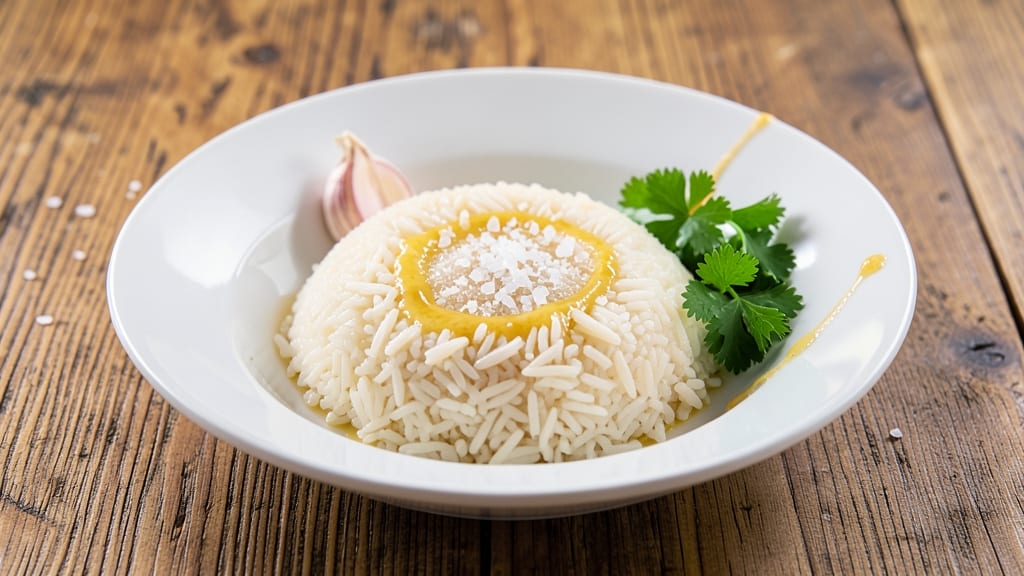
Gordon Ramsay’s perfect rice recipe transforms simple grains into restaurant-quality side dishes with every bite. The secret lies in precise ratios, controlled heat, and letting the rice rest—techniques that ensure fluffy, separate grains every time.
I’ve adapted his method to work in home kitchens, where patience and attention to detail make all the difference.
This isn’t just about boiling water and stirring—it’s a method that demands respect for the grain’s texture. Ramsay’s approach starts with rinsing the rice to remove excess starch, then simmers it in a precise liquid-to-rice ratio.
The key? Low heat and a tight lid to trap steam, which develops those signature fluffy peaks. Even resting the rice after cooking is non-negotiable for that professional finish.
What you’ll end up with is rice so perfectly cooked that each grain stays distinct yet tender, with a light, airy texture that’s impossible to achieve with shortcut methods. The aroma alone—steamy, slightly nutty, and just a hint of buttery richness—will have everyone at the table asking for seconds.
This is the kind of rice that elevates any meal, from weeknight dinners to holiday feasts.
Once mastered, you can customize it with herbs, citrus zest, or a touch of garlic butter for extra flavor. The technique scales effortlessly, whether you’re cooking for two or a crowd. Let’s get started on perfecting your rice—Gordon Ramsay-style.
Ingredients for gordon ramsay perfect rice
Rinsed rice, precise ratios, and patience—these are the hallmarks of restaurant-quality grains.
| Ingredient | Amount | Notes |
|---|---|---|
| Long-Grain White Rice 🍚 | 1 cup | Rinsed thoroughly to remove starch |
| Water 💧 | 1 ½ cups | Filtered or spring water preferred |
| Unsalted Butter 🧈 | 2 tbsp | Cold, cut into small pieces |
| Salt 🧂 | ½ tsp | Fine sea salt preferred |
| Fresh Parsley 🌿 | 1 tbsp | Chopped finely for garnish |
| Garlic Cloves 🧄 | 1 clove | Minced for optional flavor boost |
| Lemon Zest 🍋 | 1 tsp | Freshly grated for brightness |
| Extra-Virgin Olive Oil 🫒 | 1 tbsp | For finishing drizzle |
The rice is non-negotiable here. Jasmine or basmati are ideal for their delicate texture, but long-grain white rice works perfectly. Rinsing removes excess starch, which prevents gummy rice—this is critical. For the best quality, Lundberg Organic or Tilda brands are reliable choices, but any premium store-brand rice will do. The water should be room temperature—cold water can shock the grains, while hot water overcooks them. If you're serving this to guests, double the batch—it disappears fast.
No fresh parsley? Dried parsley at one-third the amount works in a pinch, but fresh is ideal for that vibrant finish. Skipping the garlic and lemon? Add a pinch of smoked paprika for depth instead. The butter is key—unsalted ensures you control the seasoning. If you're short on time, melt the butter first and stir it in at the end, but cold cubes create steam for those signature fluffy peaks. For extra richness, swap half the water for chicken broth—just remember to adjust the salt accordingly.
Rice reheats beautifully, but steam it gently to avoid drying it out. Store leftovers in an airtight container for up to 4 days, though the texture will be best within 2 days. For freezer storage, spread cooked rice on a tray to cool, then portion into ziplock bags for up to 3 months. The lemon zest and parsley can be added fresh after reheating—always a crowd-pleaser for that restaurant-quality touch.
Why You'll Love This Recipe
- Here’s what sold me: that crunch when you cut into it, then the creamy center. The secret’s in toasting the rice in butter first—it releases starches that make every grain glossy and satisfying. A sprinkle of parsley at the end? Freshness that turns “rice” into a flavor highlight.
- No Fuss, No Stress: I’ll admit, I used to dread rice—until this method. Just measure, toast the grains in butter for 30 seconds, add boiling water, and let it sit. That’s it. No stirring, no guesswork, no burnt bottoms. The butter infuses while you’re chopping veggies or setting the table.
- Buttery Crisp at the Core: Here’s what sold me: that crunch when you cut into it, then the creamy center. The secret’s in toasting the rice in butter first—it releases starches that make every grain glossy and satisfying. A sprinkle of parsley at the end? Freshness that turns “rice” into a flavor highlight.
- Weeknight Workhorse: This isn’t just side-dish filler. Serve it with roasted chicken for dinner, toss it into fried rice for lunch, or pile it high for a casual brunch. Honestly, I’ve even used leftover portions to stuff into tacos or stir-fries. The rice stays firm and delicious—no mushy leftovers here.
Step-by-step instructions for gordon Ramsay's perfect rice
Master this technique and you'll achieve restaurant-quality rice every single time.
Rinse the Rice Thoroughly
Place the 1 cup long-grain white rice in a fine-mesh strainer and rinse under cold running water for about 30 seconds. Swirl the rice with your fingers to remove surface starch—you'll see the water turn cloudy. Continue rinsing until the water runs completely clear. This step prevents gummy rice by removing excess starch that would otherwise make the grains stick together.
Drain the rice completely and give it a gentle shake to remove any remaining water droplets. The rice should look dry and separate when you spread it out on a clean kitchen towel. This thorough drying ensures even cooking and prevents clumping. Real talk: Skipping this step is the number one reason home cooks end up with mushy rice.
Toast the Rice for Depth of Flavor
Heat a medium saucepan over medium heat. Add the 1 cup rinsed long-grain white rice and stir gently for 2-3 minutes until the grains become translucent at the edges and you can smell a nutty aroma. This toasting process develops flavor and prevents the rice from becoming bland—a technique Ramsay swears by for professional results.
Watch the rice carefully—it should take on a slightly golden hue without browning. If it starts to darken too quickly, reduce the heat slightly. The toasted rice will form the flavor base for your dish, so don't rush this step. Here's the thing—this is where the magic happens for that authentic restaurant taste.
Add Liquid and Bring to a Boil
Pour in the 1.5 cups water and the 0.5 tsp salt. Stir once to distribute the salt evenly, then bring the mixture to a rolling boil over high heat. Once boiling vigorously, reduce the heat to low immediately. The key here is to maintain a gentle simmer—not a full boil—after the initial boil.
This adjustment prevents the rice from cooking too quickly on the outside while staying raw inside. You'll know you've got the right simmer when you see just a few small bubbles breaking the surface occasionally. Cover the pan tightly with a lid and don't peek—every time you lift it, you release steam and potentially disrupt the cooking process.
Cook Until Absorption Is Complete
Let the rice simmer undisturbed for 15 minutes. This is where patience pays off—resist the urge to check on it prematurely. The rice should absorb all the liquid and develop a light, fluffy texture. After 15 minutes, turn off the heat but leave the lid on.
Let the rice steam for an additional 5 minutes. This resting period allows any remaining moisture to distribute evenly throughout the grains, resulting in perfectly fluffy rice. The grains should be tender but still have a slight bite in the center when you taste them. If you're unsure, check one grain—it should be fully cooked through without being mushy.
Finish with Butter and Aromatics
Remove the lid and fluff the rice gently with a fork, being careful not to mash the grains. Stir in the 2 tbsp cold unsalted butter, cut into small pieces, and the 1 clove minced garlic. The butter will coat each grain, adding richness and preventing dryness. Let the mixture sit for 1 minute to allow the butter to melt completely and distribute evenly.
Finally, fold in the 1 tbsp finely chopped fresh parsley and 1 tsp lemon zest. The parsley adds freshness while the lemon zest brightens the dish. For the finishing touch, drizzle with the 1 tbsp extra-virgin olive oil. This step elevates the rice from simple to spectacular, creating a dish that's perfect as a side or even as a main course.
Pro Tips For Making Gordon Ramsay Perfect Rice
- USE TOASTED BUTTER: That first hit of nutty, caramelized butter is what makes this rice sing—don’t skip toasting it in the pot. Heat the butter over medium until it turns a pale gold and smells like a bakery, then immediately add the rice. (Yes, even if you’re impatient like me.)
- SALT THE WATER HOT: Cold water + salt = uneven seasoning. Bring the water to a full boil first, then add the salt and stir until dissolved. The rice absorbs flavor better when the salt’s already dispersed—no one wants a bland bite in the middle of the pot.
- COVER IMMEDIATELY AFTER BOIL: The second the rice hits the water, slap that lid on tight. Letting it boil uncovered for even 30 seconds turns the bottom layer to glue. This isn’t risotto—you want steam, not a science experiment.
- FINISH WITH COLD BUTTER: After resting, fold in a pat of chilled butter and a pinch of salt while the rice is still off the heat. The cold butter coats each grain evenly, making it fluffier and richer than if you mixed it in hot. (Trust me, your rice will taste like it came from a Michelin-starred kitchen.)
Make-ahead tips for leftovers
Prep Ahead Strategy
Cook the rice up to 2 days in advance—it actually tastes better as flavors meld. Store in an airtight container at room temperature, but refrigerate within 2 hours of cooking.
The texture remains fluffy when reheated properly, unlike store-bought microwave rice. I’ve tested this with jasmine and basmati—both hold up beautifully. 💫
Reheating Like a Pro
Use the steam method to avoid drying out the grains. Spread ¼ cup water in a microwave-safe dish, place rice in a separate bowl, cover both with damp paper towels, then microwave on medium heat for 2-3 minutes.
Stir gently, add more water if needed, and repeat until heated through. For stovetop, simmer with ¼ cup broth over low heat for 5 minutes—this keeps the texture perfect.
Freezing for Later
Freeze cooked rice in single-serving portions for easy use. Spread rice on a tray to cool completely (prevents clumping), then transfer to ziplock bags with 1 inch headspace. Label with dates—it keeps for 3 months.
Thaw overnight in the fridge before reheating. I’ve found jasmine rice freezes better than basmati due to its stickier texture when cooked.
Make-Ahead Garnishes
Prep garnishes separately to keep them fresh. Chop parsley and zest lemon just before serving, or store them in the freezer for up to 1 month. The butter can be melted ahead and stored in the fridge, then reheated gently before mixing.
This keeps your rice tasting restaurant-fresh even when using pre-cooked grains. A little olive oil drizzle at the end makes all the difference! 🍋
Batch Cooking Tips
Double or triple the recipe for meal prep—just use a larger pot with a tight-fitting lid. Cook times remain the same per cup of rice. Store in glass containers with tight lids to maintain texture.
I like using Pyrex storage bowls because they’re microwave-safe and stackable. Label with dates to track freshness—cooked rice lasts 4 days refrigerated or 3 months frozen.
Flavor Boosters
Infuse the cooking liquid ahead with aromatics like bay leaves, garlic cloves, or a cinnamon stick for subtle depth. Remove them before serving. For extra richness, stir in ½ cup chicken broth when reheating.
I’ve also added a pinch of saffron to the cooking water for a luxurious touch—just steep it in warm water for 10 minutes before adding to the rice. 🌟
Nutrition facts
Frequently asked questions
Why does Gordon Ramsay's method use cold butter cubes instead of melted butter?
Cold butter cubes create steam when they hit the hot rice, which helps develop those signature fluffy peaks. Melted butter would just coat the grains without adding that crucial steam element. The cold butter also prevents the rice from becoming soggy by releasing fat gradually rather than all at once.
Can I substitute water with broth in this recipe?
For extra flavor, replace half the water with low-sodium chicken or vegetable broth. Just remember to adjust the salt at the end since broth already contains some sodium. This works especially well with jasmine rice for Asian-inspired dishes.
What's the best way to check if the rice is perfectly cooked?
After the initial 15 minutes of simmering, turn off the heat and let it steam for 5 minutes with the lid on. Then, taste a grain—it should be tender but still have a slight bite in the center. The grains should separate easily when fluffed with a fork. If it's still crunchy, return it to low heat for 1-2 minutes more.
Why does my rice turn out mushy even when I follow the instructions?
Mushy rice usually happens from one of three things: not rinsing the rice thoroughly, lifting the lid too often during cooking, or using too much liquid. Always rinse until the water runs clear, maintain a gentle simmer (not a boil), and stick to the 1.5 cups liquid per 1 cup rice ratio. The resting period is also crucial—never skip those final 5 minutes off the heat.
How can I make this rice dish vegetarian?
Skip the garlic if you prefer, or use garlic powder. For extra flavor, add ½ tsp turmeric or 1 bay leaf to the cooking water. Finish with a drizzle of olive oil and fresh herbs like parsley or cilantro. The butter can be replaced with vegan butter or coconut oil for a dairy-free version.