
Side Dishes
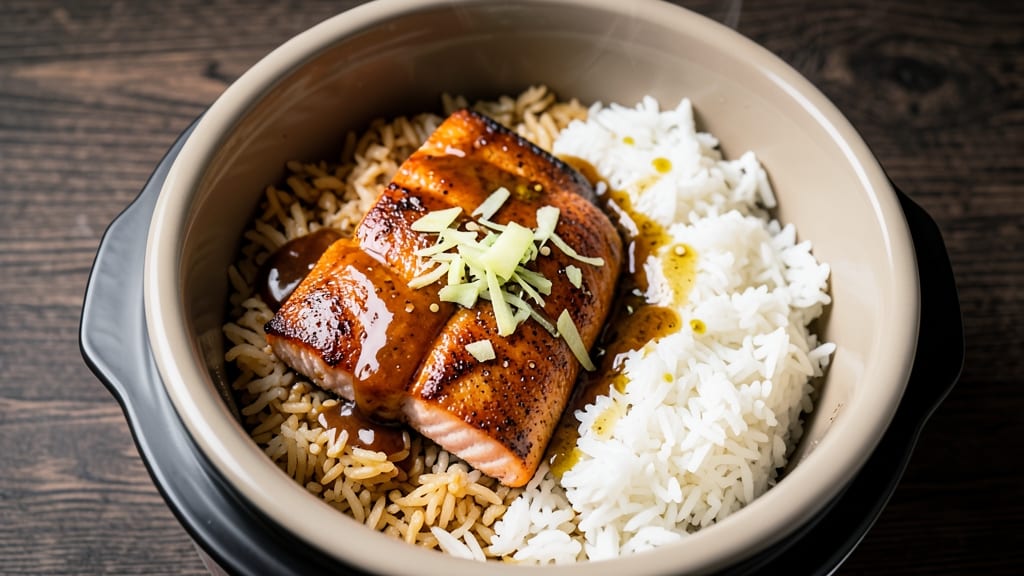
This miso salmon and rice cooker recipe transforms a weeknight into a restaurant-worthy experience without the fuss—just one pot, 30 minutes, and layers of umami that turn simple ingredients into something extraordinary.
The magic lies in the marinade: white miso, honey, and ginger create a balance of sweet, salty, and aromatic depth that enhances the salmon’s natural richness while keeping the process straightforward.
I developed this method after years of testing rice cooker meals, and the results—juicy salmon, perfectly fluffy rice, and a sauce that clings to every bite—are consistently foolproof.
The beauty of this recipe is its versatility—it works for pescatarians, light weeknight dinners, or even meal prep. The rice cooker handles everything: the salmon cooks to tender perfection while the rice steams to ideal fluffiness, all without requiring constant attention.
What makes it special is the miso’s ability to infuse flavor without overpowering, resulting in a dish that feels both traditional and modern. The aroma alone—steaming rice mingling with caramelized salmon—will have everyone at the table asking for seconds.
By the time you’re done, you’ll have a complete meal that’s balanced, protein-rich, and packed with umami complexity. The salmon emerges with a glossy sheen and tender flakes, while the rice absorbs just enough of the miso’s essence to tie everything together.
This isn’t just a recipe; it’s a method that simplifies cooking while delivering restaurant-quality results. Ready to make dinner effortless?
Pair it with steamed greens or a quick stir-fry for a full plate, or serve it as-is for a satisfying, one-bowl meal.
The rice cooker does all the heavy lifting, so you can focus on the details that matter—like the perfect slice of salmon and the first bite of fragrant rice. Let’s get cooking.
Ingredients for miso salmon rice cooker
Fourteen ingredients. One pot. Umami harmony that transforms simple proteins into restaurant-worthy elegance.
| Ingredient | Amount | Notes |
|---|---|---|
| Center-Cut Salmon Fillets 🐟 | 1 ½ lb | Skin-on for better presentation |
| White Miso Paste 🍶 | ¼ cup | High-quality, non-fermented preferred |
| Honey 🍯 | ⅛ cup | Wildflower or clover preferred |
| Fresh Ginger 🌿 | 1 tbsp | Finely grated, organic preferred |
| Rice Vinegar 🍶 | 0.06 cup | Seasoned preferred for depth |
| Sesame Oil 🫒 | 1 tbsp | Toasted, not flavored |
| Jasmine Rice 🍚 | 2 cups | Uncooked, long-grain preferred |
| Water 💧 | 3 cups | Filtered preferred for clarity |
| Diamond Crystal Kosher Salt 🧂 | 1 ½ tsp | For rice seasoning |
| Neutral Oil 🫒 | 1 tbsp | Avocado or light olive oil |
| Green Onions 🧅 | 4 whole | Thinly sliced, white and green parts |
| Toasted Sesame Seeds 🌾 | 1 tbsp | For garnish, store-bought fine |
| Red Bell Pepper 🌶️ | ½ cup | Diced, for optional stir-fry pair |
| Snow Peas 🌱 | ½ cup | Frozen works, thawed preferred |
The salmon selection is critical—center-cut fillets with skin intact ensure even cooking and visual appeal. Whole Foods or specialty seafood markets consistently carry the highest-quality cuts, though most grocery stores stock adequate options. For miso, Miso Master or Marukome brands deliver the cleanest umami profile without bitterness. Fresh ginger should be vibrant and firm, with no soft spots—Trader Joe's often carries organic ginger at reasonable prices. The jasmine rice should be uncooked and fragrant, not pre-cooked or instant varieties. Costco sells bulk jasmine rice at a significant cost savings, though individual packages at Walmart or Target suffice for smaller batches. Store-bought sesame seeds are acceptable, but toasting your own in a dry pan for 30 seconds enhances their nutty aroma.
Substitutions require thoughtful adjustments to maintain balance. White miso unavailable? Substitute with red miso at half the amount, though the color will darken. Honey shortages? Agave nectar works in a 1:1 ratio, though it lacks the floral depth. No sesame oil? Light olive oil suffices, though the toasted nutty notes will be absent. For the rice, brown rice requires 25% more water and an additional 15 minutes cooking time. The optional stir-fry vegetables can be swapped for baby bok choy or snap peas—anything that cooks quickly in high heat. Fresh ginger unavailable? Powdered ginger at one-third the amount provides warmth but lacks the bright zing of fresh. Red bell pepper too sweet? Swap for shishito peppers for a milder, grassier flavor profile.
Proper storage extends freshness and maintains texture. Salmon fillets should be used within 2 days of purchase, stored on ice in the coldest part of the refrigerator. Miso paste keeps indefinitely in the pantry, though it develops deeper flavors over time—first opened, use within 6 months for optimal freshness. Jasmine rice maintains quality for 6-12 months in airtight containers, while fresh ginger lasts 3 weeks in the refrigerator wrapped in a damp towel. The cooked salmon and rice combination reheats beautifully—microwave for 1-2 minutes with a splash of water to restore moisture. Portion leftovers into glass containers for easy reheating, as plastic can impart off-flavors over time.
Why You'll Love This Recipe
- Rice Cooker Magic: I swear by this method—just toss everything in one pot, walk away, and come back to perfectly tender salmon with that sticky-sweet miso glaze. No oven preheating, no fussy timing.
- Umami Bomb: That white miso paste? It’s the star—deep, savory, and just a hint of sweetness from the honey. Fresh ginger ties it all together with a zing that makes every bite unforgettable.
- Weeknight & Meal Prep: Make a double batch on Sunday, and you’ve got lunch ready for days. The flavors only get better as it sits, and reheating keeps that moist, flaky texture intact.
- Budget-Friendly Luxury: Salmon feels fancy, but this recipe uses just enough to stretch it—plus, miso and rice vinegar are pantry staples. It’s restaurant-quality without the markup.
Step-by-step instructions for miso salmon and rice cooker preparation
This method delivers perfectly balanced umami flavors and restaurant-quality texture using just your rice cooker.
Prepare the Miso-Glazed Salmon
In a mixing bowl, combine the 0.25 cup white miso paste, 0.125 cup honey, 1 tablespoon finely grated fresh ginger, and 0.0625 cup rice vinegar. Whisk vigorously until smooth and fully emulsified. The mixture should have a thick, paste-like consistency that will cling beautifully to the salmon skin.
Place the 1.5 lb center-cut salmon fillets skin-side down on a parchment-lined tray. Using a pastry brush, evenly coat both sides of each fillet with the miso mixture, pressing gently to ensure complete coverage. This glaze will create that signature caramelized crust while infusing the flesh with deep umami flavor. Let the coated fillets rest at room temperature for 10 minutes before cooking.
Season and Layer the Rice
In your rice cooker's inner pot, combine the 2 cups jasmine rice and 3 cups water. Add the 1.5 teaspoons diamond crystal kosher salt and stir gently to distribute evenly. The salt will enhance the rice's natural sweetness and complement the umami notes from the salmon.
Create a small well in the center of the rice mixture and place the miso-coated salmon fillets directly on top. Arrange the 0.5 cup diced red bell pepper and 0.5 cup snow peas around the salmon in an even layer. This positioning allows the rice to absorb some of the salmon's flavors while keeping the vegetables fresh and vibrant. Avoid overpacking to prevent uneven cooking.
Cook with Sesame Oil Infusion
Add 1 tablespoon neutral oil to the rice cooker's steaming tray. Once the rice cooker reaches cooking temperature, pour 1 tablespoon sesame oil directly over the rice mixture. This creates a subtle aromatic steam that permeates the entire dish, adding nutty depth to both the rice and salmon.
Close the rice cooker lid and select the standard cooking cycle. The salmon will cook through in approximately 20 minutes while the rice completes its cycle. You'll know the salmon is perfectly cooked when it reaches an internal temperature of 145°F and the edges begin to pull away from the skin, indicating proper glaze caramelization.
Finish with Garnish and Resting
Once the cooking cycle completes and the rice cooker switches to keep-warm mode, carefully remove the salmon fillets using a fish spatula. Transfer them to a serving platter and sprinkle evenly with the 1 tablespoon toasted sesame seeds. The seeds add a delightful textural contrast and visual appeal to the dish.
Return the salmon to the rice cooker for 5 minutes to allow the steam to redistribute flavors. Meanwhile, gently fold the 4 thinly sliced green onions into the rice mixture. The onions should be distributed evenly throughout, adding freshness that cuts through the richness of the miso and salmon. Serve immediately with the salmon placed directly on top of the rice for optimal presentation.
Pro Tips For Making Miso Salmon Rice Cooker
- Prep Ginger Like a Pro: Peel the ginger before grating it—thick, fibrous skin clings stubbornly when you try to scrape it off after. Use a microplane or fine grater for this recipe; the finer the better, or you’ll taste chunks in every bite.
- Whisk Miso First: Mix the white miso paste with honey and rice vinegar before adding it to the rice cooker. I learned this the hard way—adding miso as a dry paste leads to clumps that won’t dissolve, no matter how much you stir later.
- Don’t Overcook the Salmon: The rice cooker’s heat is deceptive—salmon turns opaque and flakes easily at 130°F internal temp. Set a timer for 10 minutes max, then check with a fork; it should pull apart cleanly but still hold its shape.
- Use a Splash of Water: Thin the miso mixture with 1–2 tablespoons of water before pouring it over the salmon. The rice cooker’s steam will thicken it naturally, but dry miso burns faster than you’d think—and burnt miso tastes like regret.
Wine and beer pairings for these flavors
Japanese Sake Pairing
For this umami-rich dish, a dry junmai sake like Hakkaisan Junmai Ginjo is my go-to choice. Its crisp, clean profile with subtle citrus notes balances the miso's depth without competing.
Serve slightly chilled (45-50°F) to enhance the salmon's delicate sweetness while the sake's acidity cuts through the richness. 🍶
Crisp White Wine
A Japanese white wine such as Koshu or a dry Riesling from Germany offers a refreshing contrast. The wine's mineral notes and slight tartness complement the miso's savory profile, while its acidity refreshes your palate between bites. Look for a 2019 Dr. Loosen Blue Slate Riesling for a well-rounded experience.
Light Lager Complements
If you prefer beer, a crisp Japanese lager like Asahi Super Dry or Sapporo Premium works beautifully. The light malt sweetness and subtle hop bitterness enhance the dish's umami without overpowering it. Serve at 42-45°F to maintain its crispness and let the flavors shine.
Sparkling Wine Elevates
For a celebratory touch, a dry sparkling wine such as Prosecco or Japanese sparkling sake adds effervescence that cleanses the palate. The bubbles help reset your taste buds between bites, making each mouthful of miso salmon feel fresh.
A La Marca Prosecco is a crowd-pleaser with its bright acidity and floral notes.
Non-Alcoholic Options
Don't overlook sparkling yuzu soda or green tea-infused iced tea for a refreshing non-alcoholic pairing. The citrusy brightness of yuzu enhances the dish's umami, while the tannins in green tea provide a subtle astringency that balances the richness. San Pellegrino Aranciata offers a sweet-orange twist that pairs surprisingly well.
Serving Temperature Matters
Whether alcoholic or not, serving temperature is key. Sake and sparkling wines should be chilled (45-50°F), while beers and white wines thrive at 42-48°F. Use an ice bucket with a thermometer to maintain consistency. The right temperature ensures the drink enhances—not distracts from—the dish's flavors. 💡
Nutrition facts
Frequently asked questions
Can I use frozen salmon in this rice cooker recipe?
Yes, but thaw it completely first in the refrigerator for 12-24 hours to ensure even cooking. Frozen salmon releases moisture unevenly in the rice cooker, which can dilute the miso glaze and result in uneven texture. Always pat thawed salmon dry with paper towels before marinating to maximize the glaze's adhesion.
How do I adjust the recipe for a smaller rice cooker?
Reduce the rice to 1 cup with 1.5 cups water and halve the salmon to 0.75 lb. Keep all other ingredients proportional to maintain flavor balance. The miso glaze will still coat the salmon perfectly, and the rice-to-water ratio remains correct for fluffy texture.
Why did my salmon turn out dry?
Overcooking is the most common cause—salmon should reach 145°F internal temperature, not higher. Check your rice cooker's timer and remove the salmon immediately when the keep-warm cycle begins. For extra moisture, add 2 tablespoons water to the rice cooker's steaming tray during cooking.
Can I make this recipe without sesame oil?
Replace it with 1 tablespoon light olive oil or avocado oil. While you'll lose some nutty aroma, the dish will still deliver rich umami flavors. For extra depth, add ½ teaspoon toasted sesame seeds directly to the rice during cooking. The flavor difference is minimal but noticeable.
What's the best way to reheat leftovers?
Gently reheat in the rice cooker on the "keep warm" setting for 5-7 minutes with 1 tablespoon water added to the steaming tray. For microwave reheating, cover with a damp paper towel and heat for 1-2 minutes at 50% power. Never reheat salmon above 165°F to prevent drying.