
Side Dishes
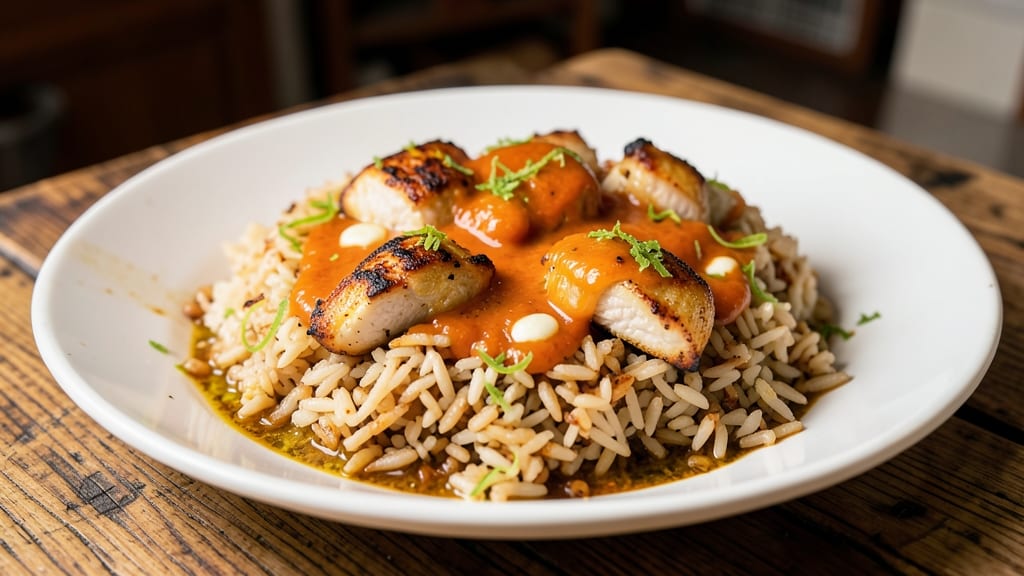
This Peru rice recipe transforms simple grains into a vibrant, citrus-kissed masterpiece that captures the essence of Peruvian cuisine in every bite. The secret lies in ají amarillo—a bright yellow chili paste that infuses the rice with a tangy, slightly sweet depth, balanced by zesty lime zest.
I first discovered this technique while traveling through Lima, where it became a staple in my home cooking repertoire.
The dish starts with perfectly toasted rice, which absorbs the aromatic blend of garlic, cumin, and ají amarillo for maximum flavor infusion. A splash of lime juice and a touch of butter at the end elevate the dish to restaurant-quality, where each grain remains distinct yet cohesive.
This method ensures the rice stays tender while developing a subtle crunch, making it ideal for both casual weeknight meals and special occasions.
What sets this recipe apart is its versatility—it works equally well as a standalone side or paired with grilled fish, chicken, or even as a vegetarian main with avocado and black beans.
The bright, citrusy notes cut through richer proteins, creating a harmonious balance that Peruvian cuisine excels at. Ready in just 30 minutes, this dish delivers professional results with minimal effort.
For those unfamiliar with ají amarillo, don’t worry—it’s easily found in Latin markets or online, and the recipe includes a simple substitution if needed. The key is patience during the simmering process, allowing the flavors to meld without overcooking the rice.
Let’s bring a taste of Peru to your table with this foolproof technique.
Ingredients for peru rice
Simple grains meet bold Peruvian flavors—just 12 ingredients for vibrant, citrusy rice.
| Ingredient | Amount | Notes |
|---|---|---|
| Long-Grain White Rice 🍚 | 1 ½ cups | Uncooked, rinsed thoroughly |
| Aji Amarillo Paste 🌶️ | 2 tbsp | Peruvian yellow chili paste |
| Fresh Lime Zest 🍋 | 1 tbsp | From 1 large lime |
| Fresh Lime Juice 🍋 | ¼ cup | About 2-3 limes |
| Unsalted Butter 🧈 | 2 tbsp | Cold, cut into small cubes |
| Garlic Cloves 🧄 | 4 cloves | Minced, fresh preferred |
| Ground Cumin 🌿 | ½ tsp | Toasted for deeper flavor |
| Salt 🧂 | 1 tsp | Kosher or sea salt |
| Ground Black Pepper 🌶️ | ¼ tsp | Freshly ground preferred |
| Chicken or Vegetable Broth 💧 | 1 ½ cups | Low-sodium preferred |
| Fresh Cilantro Leaves 🌿 | ¼ cup | Chopped, for garnish |
| Avocado Oil 🫒 | 1 tbsp | For toasting rice |
The aji amarillo paste is the heart of this dish—seek out the real thing at Latin markets or online (look for brands like La Costeña or Pisco). If unavailable, mix 1 tbsp yellow bell pepper paste with 1 tsp paprika for a close approximation, though it won’t have the same depth. The lime zest should be vibrant yellow, not pale or bitter. I always buy organic limes from the produce section—they’re brighter and more aromatic. For the rice, jasmine or basmati work beautifully if you want to splurge, but standard long-grain holds up perfectly.
No aji amarillo? Mild yellow bell pepper paste is your next best bet, though you’ll need to add 1/4 tsp sugar to mimic the slight sweetness. Substituting dried lime zest (found in Latin markets) works in a pinch, but fresh is non-negotiable for that bright, citrusy punch. The broth can be homemade or store-bought—just check the sodium. For a vegetarian version, swap chicken broth for vegetable and add 1/2 cup black beans at the end. The cilantro is purely decorative, so skip it if you’re sensitive to its flavor (it won’t affect the rice’s taste).
Toasted rice stays fresh for 3 days in the fridge, though the lime zest will dull slightly. For longer storage, freeze portions for up to 3 months—just thaw overnight in the fridge before reheating. The best part? This rice reheats beautifully—spritz with a little lime juice and warm through gently. I always make a double batch because it disappears fast, especially when paired with grilled fish or black beans. The avocado oil adds a subtle nutty note, but olive oil works in a bind.
Why You'll Love This Recipe
- One-Pot Magic: I swear by this recipe—just rice, aji amarillo, butter, and lime, all simmered together. No fancy layers, no stress: dump, stir, and let it do its thing while you chop veggies for dinner.
- Bright & Buttery: That aji amarillo paste gives it a smoky-sweet kick, but the lime zest and butter? Pure harmony. It’s tangy, rich, and bright—like a hug for your taste buds, especially when the rice is just al dente.
- Weeknight & Weddings: Honestly, I make this for lazy Tuesdays and holiday feasts. The same basic method works whether you’re feeding two or twelve—just scale the rice. (Yes, even on a Tuesday night.)
- Leftovers That Shine: This rice actually tastes better the next day. Toss it with grilled chicken or eggs for breakfast, or reheat it with a splash of water—it’s my go-to for packed lunches and budget-friendly dinners.
Step-by-step instructions for citrusy aji amarillo rice
This method delivers perfectly balanced rice with vibrant citrus notes and smoky depth.
Toast the Rice with Aromatics
Heat the 1 tablespoon avocado oil in a medium saucepan over medium-high heat. Add the 1.5 cups long-grain white rice and stir constantly for 2-3 minutes until the grains become translucent at the edges. This step develops the rice's nutty flavor and prevents mushiness.
Reduce heat to medium and add the 2 tablespoons aji amarillo paste, 4 cloves minced garlic, and 0.5 teaspoon ground cumin. Stir for 1 minute until the garlic becomes fragrant and the paste blends evenly with the rice. The mixture should smell intensely aromatic with a balance of citrusy heat and earthy spice. If the rice begins to brown too quickly, reduce heat slightly to maintain even toasting.
Deglaze and Add Lime Zest
Pour in the 1.5 cups chicken or vegetable broth and bring to a gentle boil. Immediately stir in the 1 tablespoon fresh lime zest and 1 teaspoon salt. The zest will infuse the broth with bright citrus aroma while the salt enhances all flavors. Let the mixture simmer for 5 minutes until the liquid is nearly absorbed and the rice begins to soften.
Here's the thing—don't stir the rice constantly after adding liquid. Instead, give it one thorough stir every 30 seconds to prevent breaking the grains. The rice should be tender but still slightly firm to the bite at this stage. If it looks dry before all liquid is absorbed, add 1-2 tablespoons water to maintain proper moisture.
Finish with Butter and Lime Juice
Reduce heat to low and stir in the 2 tablespoons cold unsalted butter and 0.25 cup fresh lime juice. The butter will melt into the rice, creating a silky texture while the lime juice adds a refreshing tang. Cover the pan tightly with a lid and let the rice steam for 10 minutes off the heat. This resting period allows the flavors to meld completely and the rice to finish cooking evenly.
After resting, fluff the rice gently with a fork, being careful not to mash the grains. The finished rice should be tender yet distinct, with bright yellow color from the aji amarillo and lime zest. If it's too dry, stir in 1 tablespoon broth to restore moisture. The rice should have a delicate balance of citrus, smoky heat, and subtle cumin warmth.
Garnish and Serve
Transfer the rice to a serving dish and sprinkle with 0.25 cup chopped fresh cilantro leaves and a final pinch of 0.25 teaspoon ground black pepper. The cilantro adds freshness while the pepper provides a subtle heat contrast. Serve immediately while the rice is warm, as the flavors continue to develop even after cooking.
This rice pairs beautifully with grilled proteins or roasted vegetables. The citrusy aji amarillo profile makes it especially vibrant alongside seafood or spicy dishes. For best results, prepare it fresh—leftover rice tends to lose its bright citrus notes and becomes slightly dry.
Pro Tips For Making Peru Rice
- Toast the Rice First: Before adding liquid, dry-toast the rice in butter over medium-high heat for 2-3 minutes until it smells nutty and fragrant. This step—skipped by most—builds flavor depth and prevents the rice from turning mushy later. (Yes, even if you’re impatient like me, don’t rush this.)
- Bloom the Aji Amarillo: Heat the butter first, then add the aji amarillo paste and cook it for 30 seconds until it sizzles and releases its aroma. This makes a real difference—raw paste tastes bitter and underdeveloped. Think of it as waking up the flavor before the rice joins the party.
- Zest Before Juicing: Grate the lime zest directly into the warm butter with the aji amarillo, then add the juice at the very end. The zest’s oils meld into the butter while the juice brightens the dish last—this keeps the acid from dulling the paste’s warmth. (Your future self will notice the difference.)
- Stir Once, Then Stop: After adding the rice and liquid, stir once to distribute everything, then walk away. Poking or stirring later releases starches and turns the rice gluey. I learned this the hard way—my first batch was a sad, sticky mess. Trust the process.
Creative variations of these flavors
Spicy Aji Verde Twist
Swap the ají amarillo for aji verde paste—a tangy, herb-forward green chili blend—and add 1 chopped serrano pepper for extra heat. Boost the lime zest to 2 tablespoons and finish with 1 tablespoon chopped cilantro mixed into the rice before serving.
This variation keeps the citrusy brightness but adds a fresh, grassy complexity that works perfectly with grilled shrimp or black beans. 🌶️
Coconut-Lime Fusion
For a tropical twist, stir in ½ cup coconut milk with the broth and add 1 teaspoon grated ginger while toasting the rice. Replace half the lime zest with 1 tablespoon toasted coconut flakes for garnish.
This version pairs beautifully with curried chicken or fish tacos, offering a creamy contrast to the citrusy heat. The coconut milk adds a subtle sweetness that balances the tang.
Smoky Chipotle Version
Infuse the rice with 1 teaspoon adobo sauce (from canned chipotles) mixed into the ají amarillo paste. Add ½ teaspoon smoked paprika during the toasting step and garnish with chopped scallions.
This smoky-sweet variation complements roasted pork or braised beef dishes, delivering deep, complex flavors that linger on the palate. The chipotle adds warmth without overpowering the citrus notes.
Herbed Lemon-Garlic
Skip the ají amarillo entirely and build flavor with 3 tablespoons lemon zest (instead of lime) and 1 tablespoon chopped fresh oregano. Add 2 extra garlic cloves during toasting and finish with 1 tablespoon butter mixed with 1 teaspoon lemon juice.
This bright, herbaceous version works as a neutral base for seafood or grilled vegetables, letting the natural flavors shine.
Black Bean & Corn
Cook the rice as directed, then stir in ½ cup black beans and ½ cup corn kernels during the final 10-minute resting period. Garnish with 2 tablespoons chopped red onion and 1 tablespoon crumbled cotija cheese.
This hearty vegetarian version transforms the dish into a complete meal, perfect for lunchboxes or casual dinners. The beans and corn add texture while keeping the citrusy brightness intact.
Cajun-Inspired Kick
Boost the heat by adding ½ teaspoon Cajun seasoning (like Tony Chachere’s) with the cumin and garlic. Finish with 1 tablespoon hot sauce (like Crystal or Louisiana) and garnish with chopped green onions.
This fusion version pairs exceptionally with grilled sausage or catfish, delivering a bold, spicy-sweet contrast that’s impossible to resist. The Cajun seasoning adds a smoky depth that complements the citrus perfectly. 🔥
Nutrition facts
Frequently asked questions
What makes this Peruvian rice recipe different from regular rice?
This recipe uses aji amarillo paste and lime zest to create a bright, citrusy flavor profile that's distinct from plain rice. The toasting technique and butter finish add texture and richness, while cumin and garlic provide earthy depth. It's designed to complement Peruvian proteins like ceviche or grilled fish, offering a vibrant contrast to richer dishes.
Can I substitute aji amarillo paste if I can't find it?
Yes! Mix 1 tbsp yellow bell pepper paste with 1 tsp paprika and 1/4 tsp sugar for a close approximation. For best results, use dried lime zest (found in Latin markets) instead of fresh. The flavor won't be identical, but it'll still deliver a citrusy kick. The key is balancing the sweetness and acidity the paste provides.
How do I prevent my Peruvian rice from getting mushy?
Toast the rice first for 2-3 minutes until translucent before adding liquid. Stir only every 30 seconds after adding broth, and use a tight-fitting lid during the final 10-minute resting period. Avoid overcooking—rice should be tender but still firm. The butter and lime juice added at the end help maintain texture while adding flavor.
What are the best proteins to serve with this rice?
This citrusy rice pairs exceptionally with grilled fish (like sea bass or mahi-mahi), chicken (especially marinated in ají amarillo), or black beans for a vegetarian option. The bright flavors cut through richer proteins, creating a balanced meal. For extra authenticity, serve with ceviche or lomo saltado for a complete Peruvian-inspired feast.
Can I make this recipe ahead of time?
Yes, but store it in an airtight container for no more than 3 days in the fridge. The lime zest loses brightness over time, so reheat gently with a splash of lime juice. For longer storage, freeze portions for up to 3 months. Thaw overnight in the fridge before reheating. The rice reheats best when sprinkled with extra lime juice to restore freshness.