
Breakfast & Brunch
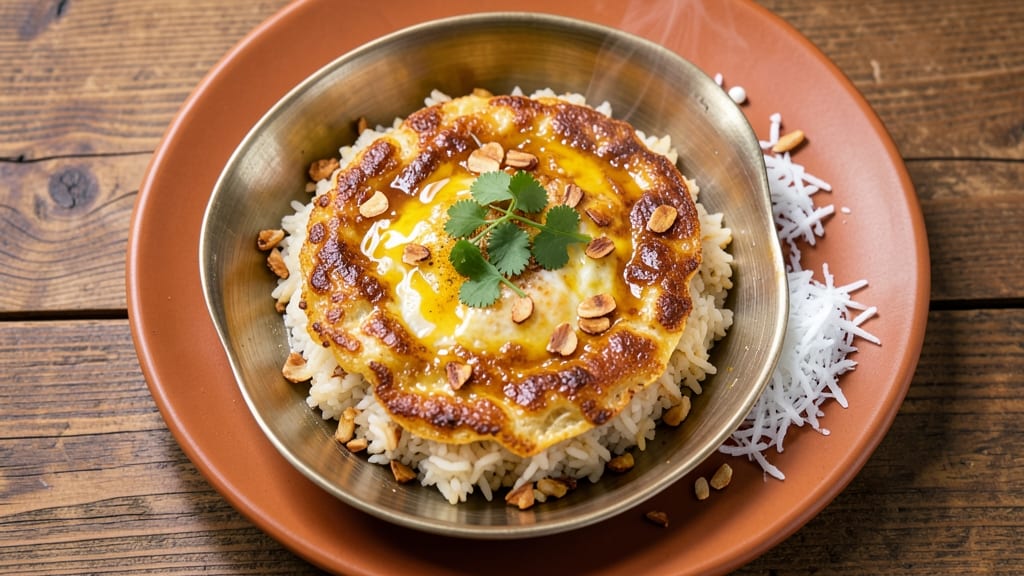
This rice paddu recipe transforms simple leftover rice into a golden, fluffy egg bread that’s become a breakfast staple in South Indian homes. The secret lies in perfectly flattened rice patties that crisp up beautifully in the pan, infused with coconut and spices for that signature flavor.
I’ve perfected this technique over years of testing—it’s foolproof once you master the flattening step and the right oil temperature.
What makes this dish special is its versatility—serve it plain for a mild flavor or add mustard seeds and curry leaves for a spicy kick. The egg binds the rice beautifully, creating a light yet sturdy texture that holds up to soaking in sambar or chutney.
Unlike many recipes, this version doesn’t require special ingredients—just basics you likely already have in your pantry.
By the time you’re done, you’ll have crispy-edged, fluffy rice patties with a subtle coconut aroma that’s impossible to resist. The key is patience during flattening and consistent heat while frying, but the results are worth every minute.
This dish pairs perfectly with coconut chutney or sambar for a complete South Indian breakfast experience.
For extra flavor, try adding grated coconut or green chilies to the rice mixture before shaping. The variations are endless—whether you prefer it plain, spicy, or loaded with herbs. Let’s get started on making these delicious rice paddus!
Ingredients for rice paddu
Day-old rice, eggs, and coconut—simple ingredients for crispy, fluffy South Indian magic.
| Ingredient | Amount | Notes |
|---|---|---|
| Cooked White Rice 🍚 | 2 cups | Day-old rice preferred, slightly dry |
| Large Eggs 🥚 | 3 whole | Room temperature for even binding |
| Shredded Coconut 🥥 | ½ cup | Sweetened or unsweetened, packed |
| Ghee or Vegetable Oil 🫒 | ½ cup | Ghee for authentic flavor, oil for neutral taste |
| Salt 🧂 | ½ tsp | Adjust to taste, fine grain preferred |
| Turmeric Powder 🌿 | ¼ tsp | Freshly ground for vibrant color |
| Mustard Seeds 🌶️ | ½ tsp | Optional for spicy kick, toasted |
| Curry Leaves 🌿 | 5 whole | Dried if fresh unavailable |
| Green Chilies 🌶️ | 1 whole | Slit lengthwise, optional for heat |
| Asafoetida (Hing) 🧂 | ⅛ tsp | Pinch for authentic aroma, optional |
| All-Purpose Flour 🌾 | 1 tbsp | For dusting, prevents sticking |
The rice is the foundation, so day-old works best—it’s dry enough to hold shape but still tender. I always use basmati rice for its texture, but jasmine or even leftover plain white rice from last night’s dinner works too. For the coconut, shredded is best—the sweetened kind adds a nice touch, but unsweetened keeps it traditional. If you’re feeling fancy, toasted coconut gives extra depth. The eggs? Room temperature is key—they bind better and won’t curdle in the hot oil. Crack them gently into a bowl first to check for freshness (no weird smells!).
No ghee? Vegetable oil or coconut oil works just fine—just keep the heat medium. Skip the mustard seeds if you’re not into that spicy kick, but toast them in the oil first for the best flavor. Curry leaves are non-negotiable for that authentic aroma, but if you can’t find fresh ones, dried work at half the amount. Green chilies? Slit them lengthwise and remove seeds for less heat. Asafoetida is optional but worth it—it’s that umami bomb that makes this taste like grandma’s. No asafoetida? Garlic powder at a pinch can mimic it, but it’s not the same.
This keeps surprisingly well—3 days in the fridge if wrapped in a cloth to stay soft. For longer storage, freeze for up to 2 months between parchment paper. Reheat in a dry pan for 2 minutes on each side. Pro tip: Make a double batch—they’re perfect for breakfast all week. The best part? Leftovers soak up chutney like a dream—double the fun for your next meal.
Why You'll Love This Recipe
- Pantry Magic: I swear by this one—no fresh herbs, no fancy prep. Just leftover rice, eggs from your fridge, and a handful of coconut. That’s it. The ghee gives it this golden, buttery aroma that makes the whole kitchen smell like a celebration.
- Crispy-Creamy Magic: The secret’s in the sizzle. When you fry those rice patties in hot oil, the edges get this addictive crunch while the inside stays soft—like a hug from your nonna. Add a sprinkle of salt and coconut, and suddenly, you’ve got something that tastes like a vacation.
- Lunchbox Hero: Between us, this is my go-to for kids’ lunches or office snacks. Pack them warm or cold—they hold up perfectly. My son used to leave his untouched until I told him it was "Indian pizza," and now it’s his favorite.
- Zero-Waste Winner: Honestly, this recipe saves me money and food waste. Use yesterday’s rice, a few eggs, and coconut you already have. No sad leftovers here—every bite gets eaten, and the cost? A fraction of takeout. Plus, it reheats like a dream.
Step-by-step instructions for fluffy South Indian egg bread
Here's how to transform simple rice into a golden, fluffy paddu that's perfect for breakfast or snacking.
Prepare the Rice Mixture
In a large mixing bowl, combine the 2 cups of cooked white rice with the 3 whole large eggs. Use your hands or a fork to break up any large clumps in the rice while incorporating the eggs evenly. The mixture should look slightly grainy but well-combined. Here's the thing—room temperature eggs blend better, so if they're straight from the fridge, let them sit out for about 15 minutes before using.
Next, add the 0.5 cup shredded coconut, 0.5 tsp salt, and 0.25 tsp turmeric powder. Mix everything thoroughly until the coconut is evenly distributed throughout the rice. The turmeric will give your paddu that beautiful golden hue, and the coconut adds that signature South Indian flavor. At this stage, the batter should be thick but still workable—almost like a very wet dough.
Toast the Spices and Prepare the Oil
Heat the 0.5 cup ghee or vegetable oil in a small pan over medium heat. Once the oil is hot but not smoking, add the 5 whole curry leaves, 0.5 tsp mustard seeds, and 1 whole green chili (slit lengthwise). Let them sizzle for about 30 seconds until the mustard seeds start popping and the curry leaves turn fragrant. This is where the magic happens—the spices release their full aroma and flavor.
Immediately after toasting, remove the pan from heat and let the spice mixture cool for 1 minute. Then, stir this into your rice mixture along with the 0.125 tsp asafoetida (hing). The hing adds a subtle, savory depth that's characteristic of South Indian cooking. Mix everything together until the spices are evenly distributed. The batter should now have a beautiful golden tint from the turmeric and a rich aroma from the spices.
Shape and Cook the Paddu
Lightly grease a non-stick pan with a small amount of oil or ghee. Heat it over medium heat until it's hot enough that a drop of water sizzles when placed on the surface. Using a greased spoon, carefully scoop about ¼ cup portions of the rice batter and gently shape them into small, round balls. Place them in the hot pan, spacing them about 1 inch apart—they'll expand as they cook.
Cook the paddu for 3-4 minutes per side until they develop a golden brown color and crispy texture on the outside. The edges should look slightly puffed, and you'll notice little bubbles forming on the surface—that's your sign they're cooking properly. Don't press down on them while cooking, or you'll flatten their beautiful shape. Flip carefully using a spatula, and cook until both sides are evenly golden.
Dust and Serve Warm
While the paddu are still hot, lightly dust them with the 1 tbsp all-purpose flour using a fine-mesh sieve. This step prevents sticking and gives them that classic, slightly crispy exterior. The flour also helps absorb any excess moisture, ensuring your paddu stay fluffy and not soggy.
Serve the paddu immediately while they're warm and crispy. The inside should be soft and fluffy, with a hint of coconut sweetness and the aromatic spices throughout. These make a perfect breakfast with chutney or a light snack with tea. If you have any leftovers, store them in an airtight container for up to 2 days, but I promise you won't have any—these disappear fast!
Pro Tips For Making Rice Paddu
- Spread Thin, Cook Fast: Use a non-stick skillet—just enough oil to coat the base—and spread the rice mixture thin, like a crepe. Thick patches burn before the edges crisp; thin layers guarantee even cooking and that signature golden-brown crust. (Yes, it’ll look weird at first, but your paddu won’t stick.)
- Toast the Coconut: Dry-toast the shredded coconut in the same pan for 30 seconds before adding it to the rice. This banishes any moisture, so it clings to the paddu instead of turning soggy. I learned this the hard way—damp coconut is a sad, mushy afterthought.
- Salt the Eggs First: Whisk salt into the eggs before mixing them with rice—this distributes flavor evenly, not just on the surface. Skip this, and you’ll get a bland center with a salty crust. (Your taste buds will notice the difference immediately.)
- Flip When It Shrinks: Wait until the paddu pulls away from the edges and the bottom looks dry (about 2–3 minutes). Flip too soon, and it’ll tear apart. Too late, and you’ll fight to flip it at all. A wooden spatula helps—press gently to loosen before flipping.
Dietary considerations for this recipe
Gluten-Free Adaptation
This recipe is naturally gluten-free since it relies on rice and coconut as the base ingredients. However, if you're using all-purpose flour for dusting, opt for a gluten-free flour blend like Bob's Red Mill 1:1 instead.
Just ensure your pan is well-greased to prevent sticking—gluten-free flours can be trickier to handle. The texture remains just as fluffy and crispy when done right. 🌾
Vegan Options
For a vegan version, replace the 3 eggs with 3 tbsp ground flaxseed mixed with 9 tbsp water (let it sit for 5 minutes to thicken). You’ll also need to add 1 tbsp extra coconut to help bind the mixture.
The flavor stays authentic, though the texture may be slightly denser without eggs. Toast the spices in coconut oil instead of ghee for a fully plant-based approach.
Dairy-Free Adjustments
Skip the ghee and use vegetable oil or coconut oil for frying—both work perfectly. The coconut in the recipe already provides a rich, creamy texture, so no dairy substitutes are needed.
Just ensure your pan is hot enough to create that signature crispiness. The flavor remains just as vibrant and aromatic. 🥥
Lower-Carb Version
To reduce carbs, replace 1 cup of rice with ½ cup cooked cauliflower rice (finely grated and sautéed until dry). The texture stays light, and the flavor remains unchanged.
You might need an extra 1 tbsp egg to help bind the mixture. This tweak cuts carbs by about 30% per serving while keeping the dish satisfying.
Nut-Free Considerations
This recipe is naturally nut-free, but if you're avoiding coconut due to allergies, substitute the ½ cup shredded coconut with ½ cup grated apple or raisins for natural sweetness. The flavor shifts slightly, but the dish remains delicious. Always double-check your coconut brand—some are processed in nut facilities. 🍏
Nutrition facts
Frequently asked questions
Why does my rice paddu turn out dense instead of fluffy?
Overmixing the rice-egg batter or using fresh (not day-old) rice are the most common culprits. The rice needs to be slightly dry to hold its shape, and the eggs must be room temperature. Also, ensure your oil is hot enough before adding the patties—too low heat creates steam instead of crispiness.
Can I make rice paddu without eggs?
Yes! For a vegan version, replace the eggs with 3 tbsp ground flaxseed mixed with 9 tbsp water (let it thicken for 5 minutes). Add 1 tbsp extra coconut to help bind the mixture. The texture will be slightly denser, but the flavor stays authentic when toasted in coconut oil.
What's the best way to store leftover rice paddu?
Store in an airtight container for up to 3 days at room temperature, or freeze for 2 months between parchment paper. Reheat in a dry pan over medium heat for 2 minutes per side to restore crispiness. The flour dusting helps preserve texture—just add a sprinkle before reheating.
Can I add vegetables to rice paddu?
Finely chopped onions, grated carrots, or even sautéed spinach work well. Add them to the rice mixture before shaping, but keep portions small (¼ cup total) to maintain the traditional texture. For extra flavor, temper these veggies with the mustard seeds and curry leaves before mixing.
How do I know when the oil is ready for frying?
Test with a drop of water—if it sizzles and disappears instantly, the oil is ready. For rice paddu, aim for medium heat (not smoking). Too-hot oil burns the outside before the inside cooks, while too-cool oil makes them greasy. A well-heated pan gives that perfect golden crust.