
Side Dishes
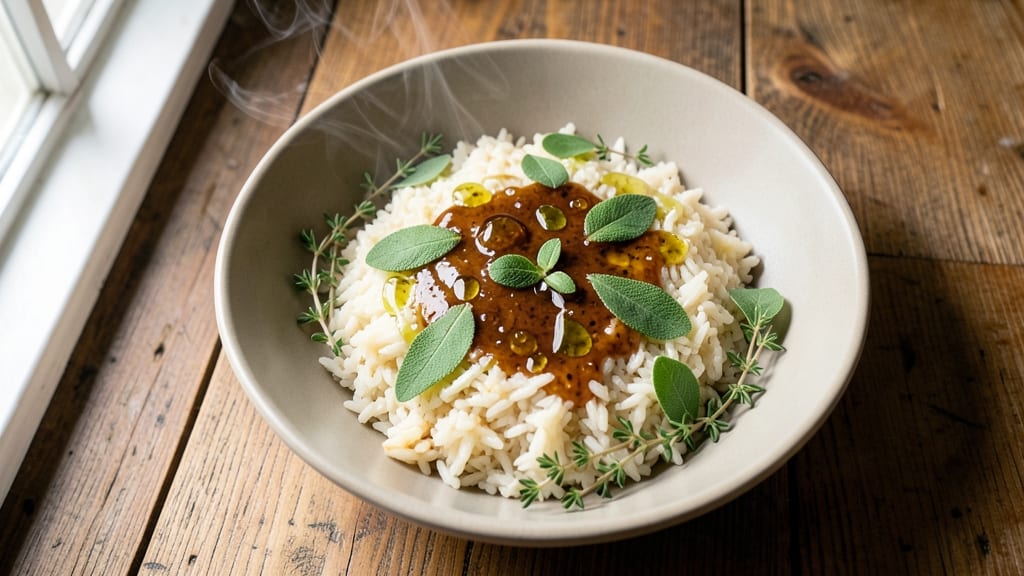
This traditional rice dressing recipe transforms simple rice into a fragrant, herb-infused centerpiece that elevates any holiday table. The key lies in balancing vinegar and oil with fresh herbs and spices—creating a dressing that clings perfectly to each grain while adding layers of aromatic depth.
Unlike store-bought versions, this recipe delivers authentic flavor through precise ingredient ratios and a gentle simmering process. The result is a dressing that enhances rice salads, stuffings, or even as a topping for roasted vegetables—proof that tradition meets versatility in every bite.
Ingredients for traditional rice dressing
Eight core ingredients elevate simple rice into a fragrant, herb-infused centerpiece for any holiday feast.
| Ingredient | Amount | Notes |
|---|---|---|
| Long-Grain White Rice 🍚 | 4 cups | Uncooked, medium grain preferred |
| Dry White Wine 🍷 | 1 cup | Sauvignon Blanc or Chardonnay |
| Extra-Virgin Olive Oil 🫒 | ½ cup | Light fruity variety preferred |
| Apple Cider Vinegar 🍏 | ¼ cup | Unfiltered for depth of flavor |
| Fresh Sage Leaves 🌿 | ½ cup | Finely chopped, stems removed |
| Fresh Thyme Leaves 🌿 | ¼ cup | Finely chopped, stems removed |
| Fresh Parsley Leaves 🌿 | ¼ cup | Finely chopped, flat-leaf preferred |
| Garlic Cloves 🧄 | 4 cloves | Minced, for aromatic depth |
| Diamond Crystal Kosher Salt 🧂 | 1 ½ tsp | Adjust to taste, don't over-salt |
| Freshly Ground Black Pepper 🌶️ | ½ tsp | Coarsely ground for texture |
The herbs form the aromatic soul of this dressing. Fresh sage and thyme from a trusted farmers market deliver superior flavor—look for vibrant green leaves with no browning. Whole Foods or local specialty grocers often carry the highest quality. For garlic, organic cloves with papery skins ensure freshness. The rice should be day-old or cold (never hot) to prevent a gummy texture. If using pre-cooked rice, spread it on a tray to cool before mixing. The kosher salt is non-negotiable—Diamond Crystal dissolves perfectly without graininess, which is crucial for delicate flavor balance.
No fresh herbs? Dried sage and thyme at one-third the amount work in a pinch, though texture will differ. Substitute white wine with dry chicken broth or apple juice if needed, but the acidity profile changes. For olive oil, avocado oil maintains stability at higher temperatures if you plan to reheat. The vinegar can be swapped for lemon juice at half the amount, though apple cider adds subtle sweetness that complements holiday dishes. If you accidentally use iodized salt, add a pinch of sugar to balance—the contrast enhances the herbs' brightness.
This dressing maintains peak texture for 4-5 days refrigerated, though flavor deepens over time. For long-term storage, freeze in airtight containers for up to 3 months. To reheat, gently warm in a skillet with a splash of broth—never microwave, as it destroys the delicate herb textures. Portion into ramekins for individual servings at the table. The dressing pairs beautifully with roasted squash or honey-glazed carrots, where its herby crunch contrasts perfectly with tender vegetables.
Why You'll Love This Recipe
- Pantry Staples Only: I swear by this recipe because it uses what I already have. No specialty trips—just rice, wine from last month’s stash, olive oil that’s been there forever, and a handful of sage from the garden. Honestly, it’s the kind of dressing that makes me feel like I’m cooking with intention, even when I’m not.
- Wine’s Secret Boost: That splash of dry white wine? It’s not just flavor—it’s magic. It brightens the rice, cuts through the richness of the olive oil, and leaves this subtle, sophisticated tang that makes it taste like a restaurant dish, not something thrown together. (Yes, even on a Tuesday night.)
- Dressing for Everything: This isn’t just for salads. I use it on roasted veggies, drizzled over grilled chicken, or even as a dip for crusty bread. It’s my go-to for picnics, potlucks, or when I need to elevate a simple meal without extra effort. Between us, it’s the most versatile thing in my fridge.
- Lasts All Week: Make a big batch—it keeps for days in the fridge and doesn’t go bad. I’ll be real: I’ve had this dressing sit for five days and still taste fresh. It’s my budget-friendly secret for when I’m too tired to cook but don’t want to sacrifice flavor. Plus, the rice softens perfectly over time, so it’s always just right.
Step-by-step instructions for herb-infused rice dressing
This time-honored method preserves the rice's satisfying bite while infusing it with aromatic herbs.
Prepare the Rice Base
Rinse the 4 cups of long-grain white rice thoroughly under cold water until the water runs clear. This removes excess starch that would make the dressing gummy. Drain well in a fine-mesh strainer and transfer to a large mixing bowl.
In a separate saucepan, combine the rice with 3 cups of water and bring to a boil over high heat. Once boiling vigorously, immediately reduce heat to medium-low, cover with a tight-fitting lid, and simmer for exactly 12 minutes. The rice should absorb all the water and become tender but still slightly firm to the bite.
Real talk: Don't peek during cooking. Every time you lift the lid, you release steam and extend cooking time. Use a timer instead. Once done, fluff the rice gently with a fork and spread it on a baking sheet to cool completely. This prevents condensation from making the dressing soggy later.
Build the Herb-Infused Dressing
In a separate bowl, whisk together the 0.5 cup of extra-virgin olive oil, 0.25 cup of apple cider vinegar, 1 cup of dry white wine, 1.5 teaspoons of diamond crystal kosher salt, and 0.5 teaspoon of freshly ground black pepper. The mixture should emulsify slightly, creating a smooth base for the herbs.
Add the finely chopped 0.5 cup of fresh sage leaves, 0.25 cup of fresh thyme leaves, 0.25 cup of fresh parsley leaves, and 4 minced garlic cloves to the oil mixture. Stir gently to combine, being careful not to crush the herbs. The garlic should be finely minced but not paste-like—you want visible flecks that will release their aroma gradually.
Here's the thing—let the herb mixture sit for 10 minutes at room temperature. This allows the flavors to meld before combining with the rice. You'll notice the garlic begins to soften slightly and the herbs release their essential oils into the oil mixture.
Combine and Cure the Dressing
Once the rice has cooled completely, transfer it to a large mixing bowl. Pour the herb-infused oil mixture over the rice, stirring gently but thoroughly to coat every grain evenly. The dressing should look moist but not wet—if it appears too dry, add 1-2 tablespoons of the reserved white wine from the cooking process.
Spread the dressed rice evenly on a parchment-lined baking sheet. Cover loosely with plastic wrap and refrigerate for at least 4 hours, preferably overnight. This curing period allows the flavors to develop fully and the rice to absorb the aromatic oils. The longer it cures, the more complex the flavor profile becomes.
Don't skip this step. I learned the hard way that rushing the curing process results in bland, underseasoned dressing. The herbs need time to infuse their oils into the rice grains. After curing, the dressing should have a vibrant green hue from the herbs and a subtle golden tint from the caramelized garlic.
Adjust and Serve
Before serving, taste the dressing and adjust seasoning if needed. The rice should be well-seasoned with the herbs' bright flavors and the wine's acidity. If the dressing appears too dry, add 1-2 teaspoons of extra-virgin olive oil to maintain moisture without diluting the flavors.
This traditional rice dressing maintains its satisfying crunch when used as a centerpiece garnish or mixed into salads. The herb infusion creates a complex flavor profile that complements both rich main dishes and light vegetable sides. Serve within 3 days of preparation for optimal texture and flavor.
Pro Tips For Making Traditional Rice Dressing
- TOAST THE RICE FIRST: Dry the long-grain rice in a skillet over medium heat for 3-4 minutes before adding liquid—this removes excess starch and keeps the dressing from turning gluey. I learned this the hard way after making a batch that clumped like porridge.
- USE STALE RICE: If you’re using freshly cooked rice, let it cool completely and refrigerate for at least 2 hours first—it’ll absorb the wine and vinegar better. Sounds weird, but it works: the grains stay distinct, and the dressing doesn’t get watery.
- SIMMER LOW AND SLOW: After adding the wine and vinegar, reduce heat to the lowest setting and let it bubble gently for 15-20 minutes. Skipping this step means you’ll end up with raw, underflavored rice—trust me, your taste buds will notice.
- CHOP THE SAGE SMALL: Roughly chop the fresh sage leaves into tiny pieces (no need to be precise) so they infuse the dressing evenly without turning it bitter. I was skeptical until I tried it—now it’s the thing that makes the most difference.
Regional styles of these flavors
Southern Herb Garden Style
In the American South, this dressing becomes a centerpiece for Thanksgiving tables, often called "herb dressing." I grew up with mine featuring extra celery—about 1 cup finely diced—for texture, and 1 small onion (sweet Vidalia works best) for natural sweetness.
The key Southern touch? A pinch of cayenne pepper (about ¼ teaspoon) to add subtle heat that lingers. Serve it warm alongside roasted turkey for maximum comfort. 🍽️
French Herb Bouquet Garnish
French chefs elevate this concept by using a bouquet garni—a bundle of 1 sprig fresh rosemary, 1 sprig fresh tarragon, and 2 bay leaves tied with kitchen twine.
Simmer the rice with this bundle (removed before serving) and the wine for 10 minutes before adding the other herbs. The result is a dressing with earthy, pine-like notes that pair beautifully with duck or game birds. 🌿
Italian Sage & Lemon Twist
For an Italian-inspired version, swap the apple cider vinegar for lemon juice (about 3 tablespoons) and double the fresh sage to 1 cup. Add zest from 1 lemon to the oil mixture for a bright, citrusy profile.
Toss with roasted cherry tomatoes and burrata cheese for a summer-friendly salad. The lemon cuts through rich dishes like osso buco beautifully. 🍋
German Waldorf-Inspired Crunch
In Germany, this dressing often includes diced apples (about 1 medium apple) and walnuts (about ½ cup toasted) for texture. Use dry Riesling instead of Chardonnay for the wine, and add 1 teaspoon ground cinnamon to the herb mixture.
This version works perfectly as a side for pork or venison, adding a sweet-spicy contrast. 🌰
Japanese Furikake Fusion
For a Japanese twist, replace the white wine with 2 tablespoons mirin and 2 tablespoons soy sauce, and add 1 tablespoon furikake seasoning (available at Asian markets) to the rice before curing.
The umami depth from the soy and furikake transforms this into a savory-sweet dressing ideal for sushi rice or as a topping for grilled fish. 🍣
Mediterranean Sun-Dried Tomato
In Mediterranean regions, this dressing often incorporates ¼ cup sun-dried tomatoes (chopped) and 1 tablespoon capers for briny contrast. Use olive oil infused with roasted garlic (blend 4 cloves with ½ cup oil and strain).
The result is a dressing with deep, fruity notes that pairs wonderfully with grilled vegetables or lamb. 🍅
Nutrition facts
Frequently asked questions
Can I use this rice dressing as a stuffing for poultry?
This dressing works beautifully as a stuffing when mixed with additional herbs like celery and onion for extra texture. For poultry, ensure the stuffing reaches an internal temperature of 165°F for safety. The wine and vinegar in the dressing help keep it moist during cooking.
How do I adjust this recipe for gluten-free diets?
The recipe is naturally gluten-free, but check your white wine and vinegar labels to confirm they're certified gluten-free. For added texture, use gluten-free breadcrumbs or toasted nuts like walnuts in place of any traditional bread-based stuffings.
Why does the dressing need to cure in the refrigerator?
The 4-hour (or overnight) curing allows the herbs to fully infuse their oils into the rice, creating deeper flavor layers. Without this step, the dressing will taste flat and underseasoned. The refrigerator slows down the herbs' release, ensuring even distribution of flavors.
Can I make this dressing ahead for holiday meals?
Yes! This dressing keeps well for 4-5 days refrigerated and can be frozen for up to 3 months in airtight containers. For best results, thaw overnight in the fridge before serving. The flavors actually improve with time, making it perfect for holiday prep.
What if my rice dressing turns out too dry?
Add 1-2 teaspoons of extra olive oil or a splash of the reserved white wine to restore moisture. Gently toss and let it sit for 10 minutes before serving. If the texture remains dry, the rice may have absorbed too much liquid during cooking—next time, reduce the water by ¼ cup.