
Side Dishes
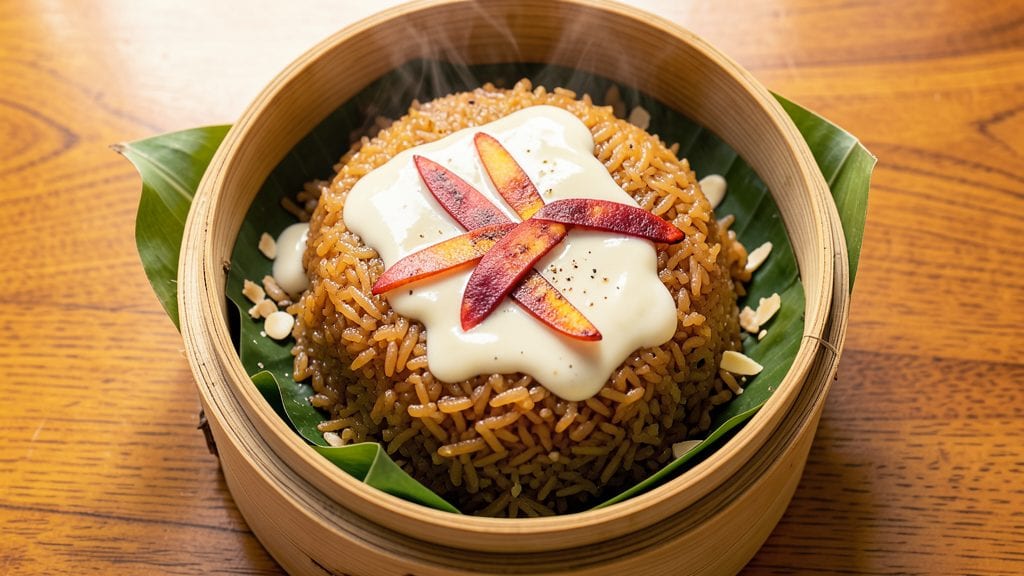
Mastering basic sticky rice transforms any meal into a sensory experience where each grain clings together like a delicate, flavorful embrace. The secret lies in soaking glutinous rice until perfectly plump—this step alone ensures that tender, cohesive texture we all crave.
I’ve refined this method over years of testing, balancing authenticity with modern convenience for home cooks.
This recipe delivers foolproof results whether you steam in banana leaves for traditional authenticity or use a rice cooker for simplicity. The key is patience: soaking the rice for at least 4 hours (or overnight) unlocks its natural stickiness, while gentle steaming preserves that signature melt-in-your-mouth quality.
No special equipment required—just time and attention to detail.
What you’ll achieve is sticky rice with perfectly clingy yet distinct grains, ready to absorb flavors like coconut milk, pandan, or a pinch of salt. The texture should be soft yet resilient, holding together when shaped but yielding with each bite.
This is the foundation for countless dishes—from Thai desserts to Vietnamese banh chung—where texture matters as much as taste.
Optional variations let you customize: infuse with pandan leaves for fragrance, wrap in banana leaves for aroma, or keep it simple with just salt. The possibilities are endless, but the core technique remains the same—precise soaking and steaming for that ideal balance of stickiness and structure.
Let’s get started on creating your own batch.
Ingredients for basic sticky rice
Nine simple elements transform ordinary rice into perfectly clingy, aromatic sticky rice.
| Ingredient | Amount | Notes |
|---|---|---|
| Glutinous Rice (Sweet Rice) 🍚 | 1 ½ cups | Uncooked, short-grain variety |
| Water 💧 | 3 cups | Room temperature preferred |
| Salt 🧂 | ½ tsp | Fine sea salt preferred |
| Banana Leaves (optional) 🍃 | 2 whole | For traditional aroma (fresh or frozen) |
| Pandan Leaves (optional) 🌿 | 2 whole | For fragrance (fresh or dried) |
| Coconut Milk (optional) 🥥 | ½ cup | For richness (full-fat preferred) |
| Cheesecloth or Muslin Cloth (optional) 🧵 | 1 piece | For wrapping rice (if not using leaves) |
| Steamer Basket 🍲 | 1 whole | Fits your pot size |
| Rice Cooker (optional) 🍳 | 1 whole | For hands-off cooking |
Glutinous rice is the star here—look for short-grain varieties labeled 'sweet rice' or 'sticky rice' at Asian markets or the international aisle. Thai or Vietnamese brands like Thai Kitchen or Golden Mountain deliver consistent results. The rice must be uncooked; pre-cooked or instant versions won't give that signature texture. If you're using banana leaves, fresh is best—they add aroma and prevent sticking. Frozen leaves work too, just thaw first. For pandan, fresh leaves are ideal, but dried works at half the amount. The key is patience: soaking the rice for at least 4 hours (overnight is even better) ensures those perfectly plump grains.
No banana leaves? Wrap the soaked rice in cheesecloth or muslin cloth instead—it mimics the effect. Short on pandan? Vanilla extract (½ tsp) or lemongrass (2 stalks, bruised) adds fragrance. The coconut milk is optional but worth it for richness—full-fat canned coconut milk works best. If you're using a rice cooker, set it to the 'steam' function. For stovetop steaming, bring water to a boil first, then steam gently for about 20 minutes. The rice should be tender but still slightly firm—it'll finish cooking while steaming. Don't skip the soaking, even if you're in a hurry. Trust me on this: rushed soaking = gummy rice.
This rice reheats beautifully—just add a splash of water and steam for 5 minutes. Keeps 3-4 days in the fridge, wrapped tightly in plastic. For longer storage, freeze portions in airtight containers for up to 3 months. The texture improves slightly after sitting overnight, as the grains absorb more moisture. I always make extra and use it in desserts, savory dishes, or as a side. The possibilities are endless once you've mastered the base technique.
Why You'll Love This Recipe
- Just Three Ingredients: I swear, this is the kind of recipe where you’ll stare at your pantry and think, "I already have all of this?" Glutinous rice, water, salt—that’s it. No fancy substitutions, no hunting for obscure spices. The banana or pandan leaves are just the cherry on top if you’re feeling fancy, but honestly? Even without them, it’s still perfect.
- Silky-Soft Magic: That first bite—creamy, slightly chewy, with just a hint of stickiness—is exactly what makes this worth making. The rice soaks up the water perfectly, and if you let it steam long enough, it develops this luxurious texture that feels like a hug for your taste buds. (Yes, even on a Tuesday night.)
- Works Every Time: Forget overcomplicating things. This rice pairs with everything—grilled meats, curries, even just a sprinkle of sugar and coconut for dessert. I’ve used it for potlucks, lazy Sunday brunches, and even packed it in bento boxes for my kids’ lunches. It’s the ultimate blank canvas that never lets you down.
Step-by-step instructions for glutinous rice with perfect texture
Here's how to transform simple ingredients into restaurant-quality sticky rice every time.
Prepare the Glutinous Rice and Water Mixture
In a large mixing bowl, combine the 1.5 cups glutinous rice (sweet rice) with the 3 cups water and 0.5 teaspoon salt. I like to use my hands to gently massage the rice grains, breaking up any clumps and ensuring each grain absorbs moisture evenly. The mixture should feel damp but not soupy - you want the rice to hold its shape while still being pliable.
If using the 2 whole banana leaves or 2 whole pandan leaves, tear them into rough pieces and add them now. These leaves infuse subtle floral notes that elevate the rice without overpowering. Let the mixture sit at room temperature for 15 minutes while you prepare your steaming setup. This resting period allows the rice to begin hydrating, which prevents uneven cooking later.
Assemble for Steaming (Traditional Method)
Line the bottom of your steamer basket with the 1 piece cheesecloth or muslin cloth if you're not using banana leaves. This creates a soft bed that prevents the rice from sticking to the bottom. Spread the rice mixture evenly across the cloth, pressing down gently to create an even layer about ½-inch thick. The key here is even distribution - any thick spots will cook unevenly.
If you're using the 1 whole rice cooker with steaming function, simply pour the mixture into the steamer insert. For stovetop steaming, place the basket over a pot of simmering water - make sure there's at least 1 inch of space between the water and the basket bottom to prevent soggy rice.
Steam to Perfect Tenderness
Bring the water in your pot to a rolling boil, then reduce to a gentle simmer - you should see small bubbles breaking the surface but no vigorous boiling. Cover the steamer basket and cook for 35-40 minutes. The rice is done when it's tender but still holds its shape when pressed between fingers. I check by gently pressing a grain - it should feel soft in the center but maintain its distinct shape.
If you added the ½ cup coconut milk, pour it over the rice during the last 5 minutes of steaming. This creates a luxurious texture and subtle sweetness that complements the rice beautifully. The coconut milk should be warm but not boiling when added to prevent curdling.
Rest and Serve for Maximum Cling
Remove the steamer from heat and let the rice rest, covered, for 10 minutes. This resting period is crucial - it allows the starches to set properly, giving you that signature sticky texture without making the rice gummy. I find this is where many home cooks go wrong - skipping the rest makes the rice too soft and prone to sticking together in clumps.
To serve, gently fluff the rice with a fork, being careful not to overmix. The grains should cling together slightly when pressed but still be distinct. For extra presentation, you can shape portions into small balls or patties - these work beautifully with sweet fillings like mango or savory options like grilled pork.
Pro Tips For Making Basic Sticky Rice
- Soak Overnight: I learned this the hard way—rushing the soak leaves gummy, uneven rice. Use double the water (1:2 rice-to-water ratio) and let it sit 6-8 hours, or at least 4 hours if you’re desperate. The starch breaks down properly, and the texture becomes that perfect, clingy chew.
- Boil Hard First: Start with a rolling boil for 2 minutes—yes, even if the pot looks like it’s about to overflow. After that, drop to a simmer and cover. This initial burst drives out excess starch, so your rice doesn’t turn into glue. (Your future self will thank you when it doesn’t stick to the pot.)
- Salt the Water: Skip the salt at the end—dissolve a pinch (½ tsp per cup of rice) in the soaking water. It seasons the grains evenly and prevents that bland, starchy aftertaste. Trust me, you’ll notice the difference, especially if you’re eating it plain.
- Steam, Don’t Boil Dry: After the initial boil, cover the pot tightly and steam on low heat for 15-20 minutes. If the rice looks dry before then, splash in 2 tbsp hot water—don’t lift the lid or you’ll lose all that steam. The goal is moisture, not evaporation. (I know, I know, but resist the urge to peek.)
Best sauces and condiments for this dish
Sweet Coconut Milk
For a tropical twist, stir in ½ cup full-fat coconut milk during the final 5 minutes of steaming. This creates a luxurious, slightly sweet sticky rice that pairs perfectly with curries or desserts.
I recommend Thai Kitchen coconut milk for its rich, creamy texture—just warm it gently before adding to prevent curdling. The coconut flavor enhances the natural sweetness of the glutinous rice, making it ideal for mango sticky rice or Thai-inspired dishes. 🥥
Pandan Leaf Infusion
Add 2 fresh pandan leaves (or 1 tsp dried pandan extract) to the soaking water for a fragrant, floral aroma. This Southeast Asian staple is essential for dishes like Vietnamese bánh tét or Thai desserts.
The leaves release their essence during steaming, infusing the rice with a subtle vanilla-like scent. For extra depth, bruise the leaves slightly before adding them to the rice mixture. 🌿
Salty-Savory Base
A pinch of fine sea salt (½ tsp) balances the sweetness of glutinous rice, enhancing its natural flavor. This simple seasoning prevents the rice from tasting bland, especially when served as a neutral base for savory dishes.
For a deeper umami profile, add 1 tsp fish sauce or ½ tsp soy sauce to the soaking water—just be mindful of the salt content. The rice will absorb these flavors evenly during the long soak. 🧂
Sweet Glaze Finish
Drizzle the finished sticky rice with a simple syrup made from 2 tbsp sugar and 2 tbsp water, heated until dissolved. This adds a glossy sheen and subtle sweetness, perfect for desserts.
For a more decadent touch, mix in 1 tsp pandan extract or a pinch of vanilla bean powder. The glaze should coat the grains lightly without making them soggy. 💫
Spiced Cinnamon Option
For a warm, aromatic variation, sprinkle ½ tsp ground cinnamon over the rice during the final resting period. This works beautifully with coconut milk for a dessert-like texture. The cinnamon adds a cozy spice note that complements sweet fillings like pineapple or lychee.
For extra warmth, add a tiny pinch of cardamom powder—just ¼ tsp is enough to elevate the flavor. ✨
Nutrition facts
Frequently asked questions
Why does sticky rice need such a long soak?
The extended 4-hour (or overnight) soak is crucial because glutinous rice contains less amylose than regular rice. This soaking period allows the grains to absorb maximum moisture, creating that signature sticky texture without turning gummy. Think of it as pre-cooking the rice—it ensures even cooking and prevents dry spots during steaming.
Can I use regular white rice instead of glutinous rice?
No, you can't substitute regular rice—it lacks the special starch composition that makes sticky rice cling together. Glutinous rice (also called sweet rice) has a higher amylopectin content, which gives it that signature chewy, cohesive texture. Using white rice will result in separate grains that don't stick.
How do I fix sticky rice that turned out too firm or dry?
If your rice is undercooked, steam it again with 2-3 tablespoons of water for 5-10 minutes until tender. For dry rice, gently mix in 1 teaspoon of warm water or coconut milk and cover for 5 minutes to restore moisture. The key is to avoid overmixing—just work quickly to redistribute the liquid evenly.
What's the best way to store leftover sticky rice?
Wrap cooled rice tightly in plastic wrap or store in an airtight container to prevent drying. It keeps well in the fridge for 3-4 days—just reheat by steaming for 5 minutes with a splash of water. For longer storage, freeze portions for up to 3 months. The texture holds up better than you'd think!
Can I make sticky rice in a rice cooker?
Use the steaming function if available, or set the rice cooker to the 'white rice' setting. The ratio remains 1:2 rice-to-water, but you may need to adjust cooking time to 30-40 minutes instead of the usual 20-30 minutes for regular rice. Check for doneness by pressing a grain—it should be tender but still hold its shape.