
Side Dishes
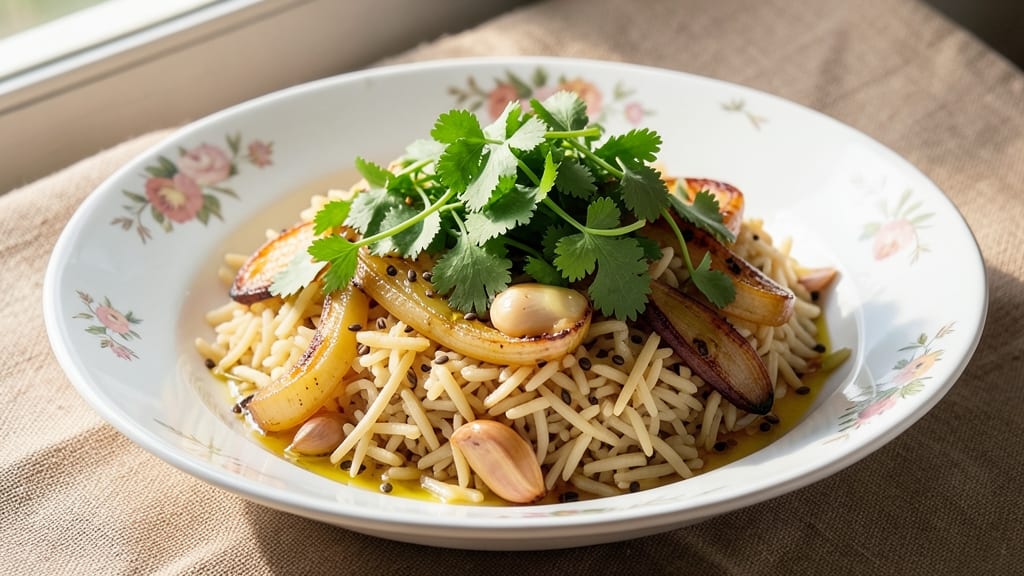
This coriander rice recipe transforms simple basmati into a fragrant, herb-infused side that elevates any meal—no fancy techniques required. The secret lies in toasting whole spices until they release their aroma, then simmering them with fresh coriander, garlic, and ginger for a bright, layered flavor profile.
I developed this version after realizing store-bought seasoned rice never quite captured the freshness of homemade, so I built a method that delivers restaurant-quality results in under 30 minutes.
The process is straightforward: rinse the rice to remove excess starch, then cook it in a flavorful broth infused with toasted spices and fresh herbs.
Unlike traditional recipes that rely on dried coriander, this version uses fresh leaves for a vibrant, citrusy brightness that pairs perfectly with grilled meats, curries, or even as a standalone dish. The texture comes out perfectly fluffy, with each grain coated in aromatic herbs that stay vibrant even after reheating.
What makes this recipe stand out is its versatility—adjust the spice blend to match Thai, Indian, or Latin American flavors, or keep it mild for everyday use. The one-pan method minimizes cleanup while maximizing flavor infusion, ensuring every bite is packed with zesty herb notes.
Whether serving alongside roasted chicken or as a base for a stir-fry, this coriander rice will become your go-to side dish.
For extra depth, finish with a squeeze of lime and a sprinkle of toasted cumin seeds. The acidity brightens the dish, while the cumin adds a warm, nutty contrast. Ready in 25 minutes, this recipe proves you don’t need complicated steps to create restaurant-worthy results. Let’s get cooking!
Ingredients for coriander rice
Fresh herbs and toasted spices transform simple basmati into a vibrant, restaurant-worthy side dish in under thirty minutes.
| Ingredient | Amount | Notes |
|---|---|---|
| Long-Grain Basmati Rice 🍚 | 1 ½ cups | Uncooked, rinsed thoroughly |
| Fresh Coriander Leaves 🌿 | ¾ cup | Stems removed, loosely packed |
| Yellow Onion 🧅 | 1 whole | Medium, finely diced |
| Garlic Cloves 🧄 | 4 cloves | Fresh, minced |
| Fresh Ginger Root 🌿 | 1 ½ tbsp | Grated, finely |
| Vegetable Oil 🫒 | 3 tbsp | Light, neutral flavor |
| Ground Cumin Seeds 🌶️ | 1 tsp | Toasted for aroma |
| Ground Coriander Seeds 🌶️ | 1 tsp | Toasted lightly |
| Turmeric Powder 🌿 | ½ tsp | Freshly ground preferred |
| Salt 🧂 | 1 tsp | Diamond Crystal kosher |
| Fresh Lime 🍋 | 1 whole | Juiced, for finishing |
| Chicken Broth 💧 | 2 cups | Low-sodium, homemade preferred |
The fresh coriander leaves are non-negotiable for that bright, citrusy punch—Whole Foods or local markets carry the most vibrant bunches, but any grocery store’s produce section will do if the leaves are bright green and firm. Penzeys Spices sells whole coriander seeds if you prefer toasting them fresh for the ground version, though the fresh leaves here deliver unmatched brightness. For the basmati rice, opt for jasmine or long-grain varieties—they stay separate and fluffy. Rinse it thoroughly before cooking to remove excess starch, which ensures each grain remains distinct and absorbs the aromatic broth perfectly. The ginger and garlic should be freshly grated and minced, respectively, as pre-minced garlic often contains fillers that mute flavor.
No fresh coriander? Dried coriander at half the amount works in a pinch, but the flavor will be muted—Thai Kitchen or Frontier Co-op carry high-quality dried blends if you’re in a bind. Substituting lemon juice for lime (equal parts) keeps the acidity but shifts the flavor profile slightly. For the chicken broth, homemade or high-quality low-sodium brands like Pacific Foods or Imagine elevate the dish, while bouillon cubes add a salty edge that can overpower the delicate herb notes. The toasted spices (cumin, coriander, and turmeric) are critical—toast them in the oil for 30 seconds until fragrant to unlock their full aroma. If you’re short on time, pre-toasted spice blends from Burlap & Barrel work, though fresh toasting is ideal.
This rice reheats beautifully—cover with a damp paper towel and microwave for 2 minutes to restore moisture. Stores for 4-5 days in the fridge, tightly sealed, or 3 months in the freezer if portioned into airtight containers. For extra depth, finish with a lime wedge and toasted cumin seeds—the acidity cuts through the richness, while the cumin adds a warm, nutty contrast. Portion into individual containers for meal prep, and keep the lime juice separate until ready to serve to prevent sogginess. The dish tastes even better the next day as the flavors meld.
Why You'll Love This Recipe
- Fewer Ingredients, Bigger Flavor: I swear by this trick—just rice, onions, garlic, and ginger do the heavy lifting, while the fresh coriander ties it all together. No fancy spices or last-minute shopping needed; my pantry always has these basics.
- Weeknight-Friendly Magic: Between us, this is the dish that saved my dinners after work. Toss the rice with the sautéed aromatics while you chop veggies for stir-fry—it’s ready before the kids even notice the pot’s on the stove.
- Leftovers That Don’t Suck: Honestly, I make double batches on purpose. The rice stays fluffy for days, and the coriander’s bright punch keeps it from tasting stale. Reheat with a splash of water, and it’s like it was just made—no sad, dry grains here.
- Budget Meal, Restaurant Vibes: This costs me about $3 for a full serving, but it tastes like I splurged on takeout. The ginger and garlic add depth without breaking the bank, and the basmati’s natural fragrance makes it feel special—even when it’s just rice.
Step-by-step instructions for coriander rice
This aromatic rice dish delivers vibrant herb notes and balanced spices in every bite.
Toast the Spices for Maximum Flavor
Heat a dry skillet over medium heat and add the 3 tablespoons vegetable oil. Once the oil shimmers, add the 1 teaspoon ground cumin seeds and 1 teaspoon ground coriander seeds, stirring constantly for 30 seconds until they release their deep, nutty aroma. Remove immediately to prevent burning.
Transfer the toasted spices to a small bowl and set aside. This step develops their essential oils, which will infuse the rice with complex warmth. The oil will carry these flavors directly into your dish, creating a more vibrant base than using pre-ground spices directly in the rice.
Sauté the Aromatics Until Fragrant
In the same skillet, add the 1 whole yellow onion and cook over medium heat for 5 minutes until softened and translucent. Add the 4 cloves garlic cloves and 1.5 tablespoons fresh ginger root, stirring for 1 minute until the garlic becomes golden and the ginger loses its raw bite.
Here's the thing—don't rush this step. The onion should release its sweetness while the garlic and ginger develop their signature pungency. If the onions start to brown too quickly, reduce the heat slightly. These aromatics form the flavor foundation of your coriander rice, so take your time to develop them properly.
Combine Rice and Broth for Perfect Texture
Add the 1.5 cups long-grain basmati rice to the skillet, stirring to coat it evenly with the aromatic oil. Pour in the 2 cups chicken broth, then sprinkle over the 1 teaspoon salt and 0.5 teaspoon turmeric powder. Bring to a gentle boil, then immediately reduce heat to low, cover tightly with a lid, and simmer for 15 minutes without disturbing.
The rice needs undisturbed cooking to develop its signature fluffiness. After 15 minutes, check the rice—it should have absorbed most of the liquid but still have a slight moisture content. If it looks dry, add 2 tablespoons water and continue cooking for another 2 minutes. This prevents the rice from becoming dry or mushy.
Finish with Fresh Herbs and Acid
Once the rice is tender, remove from heat and let it sit covered for 5 minutes. Then, stir in the 0.75 cup fresh coriander leaves and the juice of 1 whole fresh lime. The coriander adds bright, citrusy notes that cut through the richness of the spices, while the lime juice introduces a refreshing acidity that balances the dish.
Fluff the rice gently with a fork, then taste and adjust seasoning. You might need a pinch more salt or lime juice to achieve the perfect balance of flavors. The final texture should be distinct grains with a slight sheen from the lime juice, indicating proper moisture content.
Pro Tips For Making Coriander Rice
- Bloom the Spices First: Before adding onions, toast your whole spices (cumin, mustard seeds, or whatever your recipe calls for) in oil for 30 seconds until they sizzle. I learned this the hard way—skipping it makes the coriander flavor muted instead of bright and aromatic. The extra 30 seconds guarantees that punch.
- Rinse Rice Twice: Give your basmati rice a thorough rinse under cold water—twice—until the water runs nearly clear. I know, it’s tedious, but it removes excess starch that’ll turn your rice gummy. Trust me, your rice will stay fluffy and separate, not clumping like glue.
- Chop Coriander Coarse: Don’t mince the coriander leaves—chop them roughly, leaving some stems intact. Finely chopped coriander turns to mush when cooked, but bigger pieces stay vibrant and add texture. Plus, it looks fresher in the final dish.
- Cook Onions Low and Slow: Once your onions turn golden, drop the heat to medium-low and let them cook for 5–7 minutes longer than you think. This caramelizes them properly, deepening the flavor base before you add garlic and ginger. Rushed onions taste raw; patient onions taste like home.
Dietary considerations for this dish
Gluten-Free Adaptation
This coriander rice recipe is naturally gluten-free since it relies on rice, fresh herbs, and spices without any flour-based ingredients. However, always double-check your chicken broth label—some brands use wheat-based thickeners.
I recommend Pacific Foods or Imagine low-sodium broths, which are certified gluten-free. For extra insurance, use homemade broth made from scratch with gluten-free ingredients. 🌱
Nut-Free Considerations
While this recipe doesn’t contain nuts, cross-contamination can be a concern if you share kitchen tools with nut-based dishes. I always wash my cutting boards and knives thoroughly after prepping nuts, and use separate utensils for this recipe.
The toasted spices and fresh herbs are safe, but if you're highly sensitive, opt for pre-packaged spice blends labeled nut-free, like those from Burlap & Barrel.
Dairy-Free Options
This dish is already dairy-free, but if you're serving it alongside creamy sauces or garnishes, ensure those components are also free from dairy. For example, if pairing with a yogurt-based sauce, use coconut yogurt or a dairy-free alternative like Silk Almond Yogurt.
The lime juice and fresh coriander keep the dish light and refreshing without any dairy interference.
Allergen-Friendly Swaps
For those with soy allergies, avoid soy-based broths—stick to chicken or vegetable broths that are soy-free. If you're avoiding garlic or ginger, substitute with asafetida (hing) for a similar umami depth, though the flavor profile will shift slightly.
For celiac-friendly adaptations, ensure all spices are certified gluten-free, as some blends may contain wheat fillers. Penzeys Spices offers certified gluten-free options if needed.
Vegetarian/Vegan Adjustments
The base recipe is already vegetarian, but for a vegan version, simply use vegetable broth instead of chicken broth. The turmeric, cumin, and coriander add earthy warmth without any animal products. To boost protein, stir in chickpeas or tofu at the end for a heartier dish.
The lime juice and fresh herbs keep the dish vibrant and fresh, making it a great vegan-friendly side. 💚
Nutrition facts
Frequently asked questions
Can I make this coriander rice dish without fresh coriander leaves?
Yes, but the flavor will be less vibrant. Use 1 tablespoon dried coriander instead, but toast it lightly in the oil with your other spices to enhance its aroma. For extra brightness, add 1 teaspoon lime zest or a pinch of citric acid to mimic the fresh herb's tang.
How do I prevent the rice from becoming mushy?
Rinse the rice thoroughly before cooking to remove excess starch, which causes mushiness. Use a 1:1.5 rice-to-liquid ratio (like in this recipe) and cook it uncovered for the first 5 minutes to dry the grains slightly. Avoid stirring while cooking—let it steam undisturbed.
What's the best way to store leftovers?
Transfer the rice to an airtight container and refrigerate for up to 4 days. For longer storage, freeze portions in single-serving containers for 3 months. Reheat covered with a damp paper towel in the microwave for 2-3 minutes to restore moisture. The lime juice helps preserve freshness!
Can I use jasmine rice instead of basmati?
Jasmine rice works beautifully here, though it has a slightly stickier texture. Increase the cooking liquid by 2 tablespoons and check for doneness at 12 minutes instead of 15. The fragrant aroma pairs perfectly with the coriander's brightness. For extra fluffiness, fluff with a fork before adding the herbs.
Why does my coriander rice taste bland?
Bland flavor usually means the spices weren't toasted enough or the herbs were added too late. Always toast your spices in oil until fragrant (30 seconds), and stir in fresh coriander and lime juice off the heat to preserve their brightness. A pinch of salt or extra lime juice at the end often fixes flat flavors.