
Side Dishes
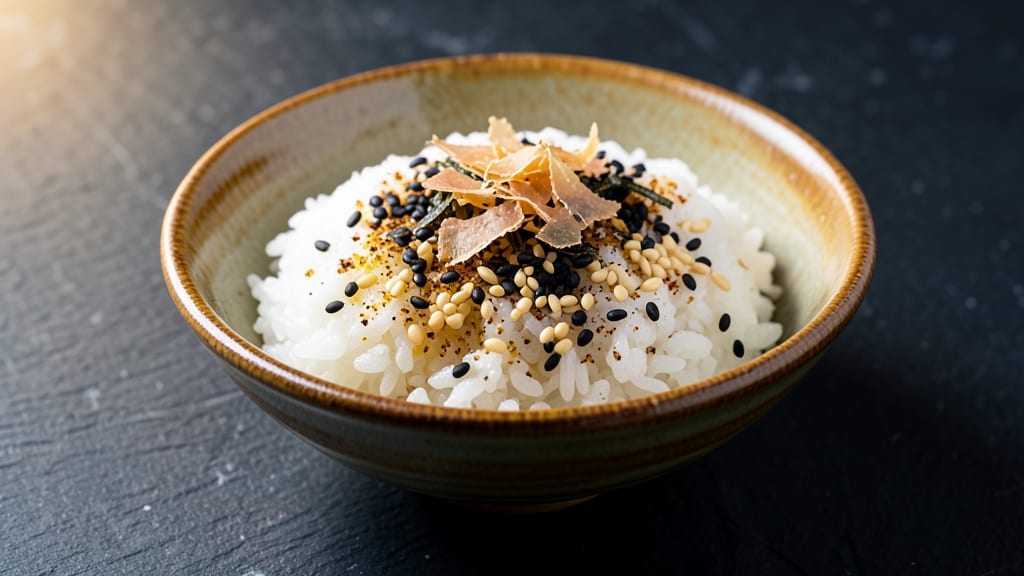
This habachi rice recipe transforms simple steamed rice into a fragrant, smoky side dish that elevates any Japanese meal. The secret lies in toasting aromatic sesame seeds and furikake seasoning until they release their nutty, toasty depth—creating a flavor profile that’s both traditional and deeply satisfying.
I first discovered this technique while preparing a homemade sushi spread, and it quickly became a staple in my kitchen for its ability to turn ordinary rice into something extraordinary.
The beauty of this recipe is its versatility—it pairs perfectly with grilled fish like tuna or salmon, but also works as a standalone side for vegetarian dishes.
The process is straightforward: cook your rice, then lightly toast the seasonings in a dry pan until fragrant, and finally fold them into the warm grains. This method ensures every bite carries that signature smoky, umami-rich flavor that defines habachi rice.
The result is a dish that’s both visually appealing and packed with layers of taste.
What makes this recipe particularly special is how it bridges tradition and modern adaptability. While the classic version uses fish, you can easily substitute with grilled tofu or mushrooms for a vegetarian twist.
The key is balancing the toasted aromatics with the rice’s natural flavor, ensuring each grain is coated in that irresistible, slightly crispy seasoning. This dish isn’t just a side—it’s a flavor experience that transforms an ordinary meal into something memorable.
Whether you're serving it alongside grilled fish, sushi, or as part of a larger Japanese feast, this habachi rice will leave your guests asking for seconds. The process is simple, but the impact is undeniable—proof that sometimes, the smallest adjustments can make the biggest difference.
Let’s get started on creating this smoky, aromatic masterpiece.
Ingredients for habachi rice
Nine simple ingredients transform plain rice into smoky, aromatic habachi rice.
| Ingredient | Amount | Notes |
|---|---|---|
| Short-Grain White Rice 🍚 | 2 cups | Uncooked, jasmine or sushi rice preferred |
| White Sesame Seeds 🥜 | ¼ cup | Toasted until golden and fragrant |
| Black Sesame Seeds 🥜 | 1 tbsp | For visual contrast and nuttiness |
| Japanese Furikake Seasoning 🌶️ | ¼ cup | Store-bought or homemade blend |
| Dried Bonito Flakes 🐟 | 1 tbsp | Optional for umami depth |
| Dried Shiso Leaves 🌿 | 1 tsp | Or substitute with dried basil |
| Toasted Nori Strips 🍣 | 2 tbsp | Crumbled for texture |
| Extra-Virgin Olive Oil 🫒 | 1 tbsp | For light tossing |
| Diamond Crystal Kosher Salt 🧂 | ¼ tsp | For seasoning rice |
| Toasted Garlic Powder 🧄 | ½ tsp | Homemade or store-bought |
| Sesame Oil 🫒 | 1 tsp | For finishing aroma |
| Water 💧 | 2 ½ cups | For rice cooking |
The rice is the foundation, so don't cut corners. Jasmine or sushi rice absorbs flavors best—Daybreak or Koshihikari are my go-tos. If you're using regular white rice, rinse it thoroughly to remove excess starch. For the furikake, Miyoko's or Marukome are solid store-bought options, but if you're feeling ambitious, you can make your own blend with sesame seeds, seaweed, and bonito flakes. The sesame seeds are non-negotiable—they carry that nutty, toasty aroma that defines this dish. Toast them in a dry pan until they're golden and smell incredible (about 2-3 minutes), then let them cool slightly before adding to the rice. That's when you know you're doing it right.
No furikake? Mix 2 tbsp toasted sesame seeds, 1 tbsp nori flakes, 1 tsp dried bonito, and 1/2 tsp shiso—it's a solid stand-in. Running out of sesame oil? Avocado or grapeseed oil works in a pinch, though sesame's toasty notes are hard to beat. The dried shiso is tricky to find, but dried basil or even a pinch of dried thyme adds a similar herbal depth. For a vegetarian twist, skip the bonito flakes entirely—the umami will still come from the toasted sesame and furikake. And if you're using pre-toasted nori sheets, give them a quick pulse in your food processor for crumbly texture. Trust me, it's worth the extra minute.
Rice reheats beautifully, but habachi rice is best served fresh off the heat. Store leftovers in an airtight container for 3-4 days, though the texture gets a little softer each day. For a restaurant-style presentation, spread the rice on a tray and broil for 2-3 minutes until lightly crispy on top. Freezes well for up to 2 months if you want to prep ahead. Just thaw in the fridge overnight and reheat gently. The key is keeping those toasted aromatics fresh—fold them into the rice while it's still warm so every grain gets that smoky, nutty coating.
Why You'll Love This Recipe
- Here’s what sold me: this rice stays fresh for days in the fridge, and I can toss it into bento boxes, thermoses, or even a quick onigiri. My kids think they’re eating something special (they’re not wrong).
- Five-Ingredient Magic: I swear by this—just rice, sesame seeds, furikake, bonito flakes, and a little patience. That’s it. No chopping, no fancy techniques, just layering those toasted seeds and flakes for instant texture and umami.
- Crunchy Umami Bomb: Between us, the dried bonito flakes add this salty, fishy punch that makes every bite taste like a little vacation. And the black sesame seeds? They’re the secret weapon—nutty, earthy, and just a little bit fancy.
- Lunchbox Hero: Here’s what sold me: this rice stays fresh for days in the fridge, and I can toss it into bento boxes, thermoses, or even a quick onigiri. My kids think they’re eating something special (they’re not wrong).
Step-by-step instructions for smoky spiced grains with toasted aromatics
Here's how to transform simple rice into a fragrant, nutty masterpiece with layers of umami and toasted crunch.
Toast the Aromatics for Maximum Flavor
In a dry skillet over medium heat, toast the 0.25 cup white sesame seeds and 1 tbsp black sesame seeds for 2-3 minutes until they turn a rich golden brown and release their nutty aroma. The seeds should be constantly moving to prevent burning—watch them closely as they darken quickly. Transfer the toasted seeds to a small bowl and set aside.
In the same skillet (no need to clean it), add the 2 tbsp toasted nori strips and 1 tbsp dried bonito flakes, stirring for 1 minute until the nori becomes slightly crisp and the bonito flakes begin to sizzle. This step develops their deep umami flavor. Remove from heat and add to the bowl with the sesame seeds. The combination of these toasted elements creates the aromatic foundation for your habachi rice.
Prepare the Rice and Seasoning Base
Rinse the 2 cups short-grain white rice thoroughly under cold water until the water runs completely clear. This removes excess starch that would otherwise make the rice gummy. Drain well in a fine-mesh strainer and return to the pot or bowl you'll use for cooking.
In a small bowl, whisk together the 0.25 cup Japanese furikake seasoning, 0.25 tsp diamond crystal kosher salt, and 0.5 tsp toasted garlic powder. This blend will infuse the rice with its signature savory-sweet flavor profile. Add this seasoning mixture to the drained rice and toss gently to distribute evenly. The rice should look uniformly coated with the colorful seasoning.
Cook the Rice to Perfect Texture
In a medium saucepan with a tight-fitting lid, combine the seasoned rice with the 2.5 cups water. Bring to a boil over high heat, then immediately reduce to low heat. Cover and simmer for 15 minutes without lifting the lid. This gentle cooking allows the rice to absorb moisture evenly and develop its characteristic sticky texture.
After 15 minutes, remove from heat and let the rice steam undisturbed for 10 minutes. The residual heat will finish cooking the rice perfectly. You'll know it's done when the water is completely absorbed and the rice grains are tender but still slightly firm to the bite—this texture is essential for the final tossing step.
Finish with Toasted Oils and Aromatics
Transfer the cooked rice to a large bowl. Drizzle with the 1 tbsp extra-virgin olive oil and 1 tsp sesame oil, then gently fold everything together using a spatula or clean hands. The oils will coat each grain, enhancing the nutty flavors while adding a luxurious sheen.
Add the toasted sesame seed and nori mixture from Step 1, along with the 1 tsp dried shiso leaves. Fold everything together carefully—you want the rice to remain distinct while being infused with the aromatic elements. The final result should be a visually stunning dish with contrasting colors and textures: the white rice, black sesame seeds, green shiso leaves, and crumbled nori strips.
Serve Immediately for Optimal Texture
Transfer the habachi rice to a serving dish and let it sit for 2-3 minutes before serving. This brief resting period allows the flavors to meld together while maintaining the perfect texture. The rice should be warm throughout with a slight sheen from the oils, and each bite should deliver a harmonious blend of toasted aromatics, umami depth, and subtle garlic notes.
For the best experience, serve immediately while the rice is at its peak texture. The contrast between the warm, sticky rice and the cool, crunchy toasted elements creates a satisfying sensory experience. This dish works beautifully as a side for grilled proteins or as a standalone vegetarian bowl with fresh vegetables and a drizzle of soy glaze.
Pro Tips For Making Habachi Rice
- Toast Sesame Seeds: Pop them in a dry pan over medium heat for 30 seconds until they smell nutty—don’t walk away, or you’ll burn them faster than you can say "habachi fail." Black sesame seeds need a little less time, so watch them like a hawk.
- Rinse Rice Twice: I used to skip this, but now I give short-grain rice a quick rinse in a fine-mesh strainer, swirling water until it runs clear. This cuts the starchy gloop that makes your rice glue together like a sad rice pudding.
- Layer Furikake Gently: Sprinkle it after the rice has cooled slightly—hot rice will turn it into a sad, clumpy mess. Use a light hand; you’re not burying the rice in seasoning, just giving it a whisper of flavor.
- Bloom Bonito Flakes: Toast the dried bonito flakes in a separate pan for 10 seconds before mixing—just until they release that unmistakable ocean smell. Too long, and they’ll taste bitter; too short, and you’ll miss the depth. Trust your nose.
Flavor customization for these flavors
Smoky Garlic Twist
Boost the umami depth by adding 1 tbsp toasted garlic powder (or 3 minced fresh garlic cloves sautéed in sesame oil) to the furikake blend. For extra smokiness, replace ½ tsp of the furikake with ½ tsp smoked paprika—this works surprisingly well without overpowering the delicate rice.
I like toasting the garlic powder in a dry pan for 1 minute until fragrant before mixing it in. 🌶️
Citrus Zest Brightness
Add a refreshing contrast by folding in 1 tbsp finely grated yuzu peel (or lemon zest) and 1 tsp yuzu juice (or lemon juice) into the warm rice. The citrus cuts through the richness of the sesame and nori, balancing the dish beautifully.
For a more intense flavor, reduce the salt in the furikake blend by ¼ tsp since citrus enhances natural sweetness.
Spicy Miso Kick
For a bold, savory-spicy variation, stir 1 tbsp white miso paste into the cooking water with the rice. After cooking, fold in ½ tsp gochugaru (Korean red pepper flakes) and 1 tsp toasted sesame oil for a Korean-inspired habachi rice.
This version pairs perfectly with grilled bulgogi beef or marinated tofu. The miso adds a deep, fermented umami that complements the toasted aromatics.
Vegetarian Umami Boost
Skip the bonito flakes and replace them with 1 tbsp nutritional yeast or ½ tsp mushrooms powder (like umami-rich shiitake powder) for a vegetarian-friendly umami boost. Add 1 tbsp toasted pumpkin seeds for extra crunch and a nutty depth.
This version works exceptionally well as a standalone dish with a drizzle of tahini-lemon sauce or spicy mayo.
Herb-Infused Freshness
Incorporate fresh herbs like 1 tbsp chopped cilantro or 1 tsp finely chopped mint into the final toss for a bright, herbaceous twist. For a Thai-inspired variation, add ½ tsp lemongrass paste (or 1 tsp minced lemongrass) to the cooking water.
The herbs add a vibrant pop of color and a refreshing contrast to the toasted flavors. 🌿
Sweet-Savory Glaze
Drizzle the finished rice with a 1:1 ratio of mirin and soy sauce (about 2 tbsp total) before serving for a glossy, sweet-savory finish. For a caramelized touch, lightly broil the rice for 1-2 minutes after drizzling the glaze.
This technique elevates the dish to restaurant-quality, adding a sticky, caramelized crust on top while keeping the interior fluffy.
Nutrition facts
Frequently asked questions
Can I make habachi rice without furikake?
Mix 2 tbsp toasted sesame seeds, 1 tbsp nori flakes, 1 tsp dried bonito (or ½ tsp mushrooms powder for vegetarian), and ½ tsp salt to create your own blend. The key is balancing toasted aromatics with umami.
How do I prevent the rice from getting mushy?
Rinse the rice thoroughly until water runs clear, then use a 1:1.25 rice-to-water ratio (2 cups rice to 2.5 cups water). After cooking, let it steam covered for 10 minutes off heat—this ensures perfect texture. Never stir while cooking!
What's the best way to store leftovers?
Keep in an airtight container for 3-4 days in the fridge. For longer storage, freeze for up to 2 months. Reheat gently in a steamer or microwave with a damp paper towel to restore texture. The toasted aromatics stay freshest this way!
Can I make this vegetarian?
Yes! Skip the bonito flakes and add 1 tbsp nutritional yeast or ½ tsp shiitake powder for umami. Use toasted pumpkin seeds instead of sesame for extra crunch. The dish still packs deep flavor without fish.
Why does my habachi rice taste bland?
Blandness usually means under-toasted aromatics. Always toast sesame seeds and nori until fragrant (2-3 minutes), and use freshly toasted garlic powder. For extra depth, add a pinch of smoked paprika or white miso to the furikake blend.