
Sauces & Condiments
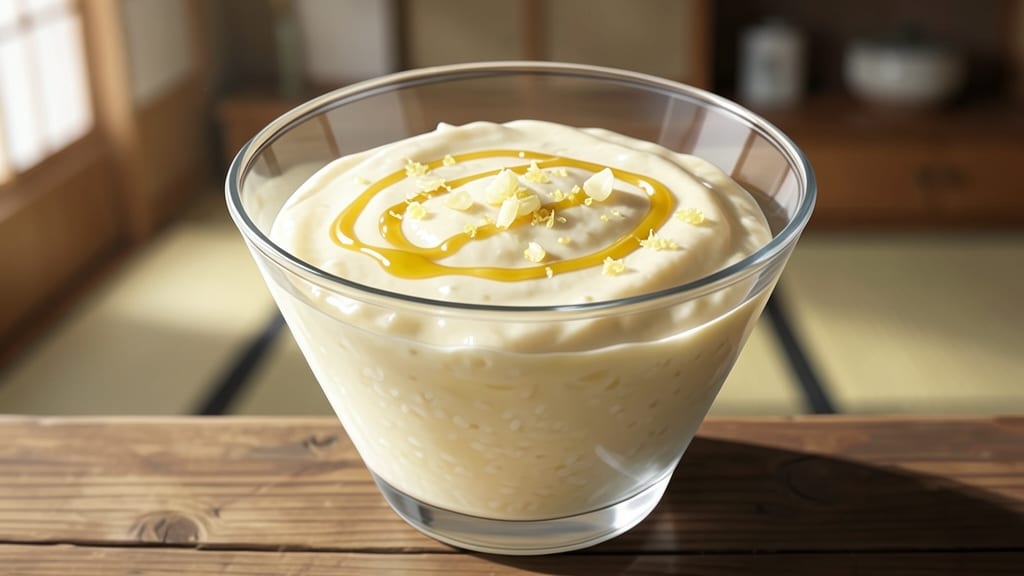
This rice mayonnaise recipe transforms simple ingredients into a velvety, silky sauce with a texture unlike traditional mayo—smooth yet slightly grainy, rich yet light. The Japanese technique of blending cooked rice into mayo creates a uniquely creamy base that elevates everything from sandwiches to salads.
I first discovered it while researching Japanese bento recipes, where it’s used to add body and subtle sweetness without overpowering flavors.
The secret lies in the ratio of rice to mayo—too much rice makes it gritty, too little loses that signature texture. I’ve perfected a foolproof method using day-old rice (cold rice blends better) and a high-speed blender to achieve that signature velvety consistency.
Optional additions like garlic, lemon zest, or a touch of honey let you customize it for any dish, from classic egg salad to dipping sauces for tempura.
What makes this sauce special is its versatility—it’s creamy enough to replace mayo but with a subtle rice undertone that adds depth. Store it in an airtight container for up to 5 days in the fridge, or freeze for longer storage.
The texture actually improves after chilling, making it perfect for meal prep. Once you try it, you’ll never go back to regular mayo for certain dishes.
Use it as a spread for sandwiches, a dressing for salads, or a dipping sauce for fries and veggies. The possibilities are endless, and the process is simpler than you’d think. Let’s get blending—your taste buds will thank you.
Ingredients for rice mayonnaise
Nine simple components blend into a velvety sauce with Japanese-inspired depth and texture.
| Ingredient | Amount | Notes |
|---|---|---|
| Day-Old Cooked White Rice 🍚 | 1 ½ cups | Cold, unseasoned, medium-grain preferred |
| Mayonnaise 🥛 | 1 cup | Duck or avocado oil preferred |
| Extra-Virgin Olive Oil 🫒 | ¼ cup | For silky texture and richness |
| Fresh Garlic Cloves 🧄 | 2 cloves | Minced, for aromatic depth |
| Lemon Zest 🍋 | 1 tsp | Brightens the flavor profile |
| Yellow Mustard 🌶️ | 1 tbsp | Dijon or whole-grain preferred |
| Honey 🍯 | 1 tsp | Adjusts sweetness to taste |
| Diamond Crystal Kosher Salt 🧂 | ½ tsp | Fine grain for even seasoning |
| White Vinegar 💧 | 1 tsp | Balances flavors, optional |
The rice is non-negotiable—day-old, cold rice blends into a silky texture that traditional mayo can't match. Short-grain or medium-grain varieties work best, like sushi rice or jasmine. I always use day-old rice because freshly cooked rice is too moist and gummy. For mayo, duck or avocado oil-based mayo (like Hellmann's or Best Foods) gives the best flavor, but any good-quality mayo works. The olive oil adds richness without overpowering—California extra-virgin is my go-to. Garlic should be fresh, not jarred, for that bright punch.
No day-old rice? Cook rice, spread on a tray, and chill for 2 hours—it’ll work in a pinch. Skip the honey if you prefer a neutral taste, but it rounds out the flavors beautifully. Mustard adds tang—Dijon or whole-grain gives more complexity than plain yellow. The vinegar is optional but balances the richness if your mayo is particularly heavy. For a sweeter version, add 1 extra tsp of honey or maple syrup. If you’re using this for egg salad, reduce the honey to 0.5 tsp to avoid overpowering the eggs.
This sauce keeps for 5 days in the fridge, but the texture actually improves after chilling—let it sit for at least 1 hour before using. For longer storage, freeze in ice cube trays and thaw as needed. I always make a double batch—one for sandwiches, one for dipping tempura. The flavor mellows beautifully, making it perfect for meal prep. If it separates after blending, just give it a quick stir before using.
Why You'll Love This Recipe
- No Leftover Waste: I swear by this trick—day-old rice transforms into something new instead of ending up in the trash. That starchy texture? It’s the secret to how well the mayo clings, turning limp grains into something crisp at the edges.
- Garlic-Mayo Magic: Honestly, the combo of fresh garlic and mayo is ridiculously good—bright, tangy, and just enough heat to make it addictive. The olive oil ties it all together, so it’s never greasy, just rich and satisfying.
- Lunchbox Hero: Between us, this is my go-to for packed lunches. Cold or at room temp, it holds up perfectly—no soggy rice here. My kids actually finish their lunches, and I haven’t had to reheat a single bite.
- Pantry Staple Hack: You’re already using ingredients you have—mayo, rice, garlic. No fancy shopping, no last-minute runs. I make a big batch on Sundays, and it lasts all week for snacks, sandwiches, or even a quick fried rice upgrade.
Step-by-step instructions for silky-smooth Japanese rice mayonnaise
This creamy, velvety spread transforms ordinary rice into something extraordinary—here's how to make it perfectly every time.
Prepare the Garlic-Infused Olive Oil Base
In a small saucepan, gently heat the 0.25 cup extra-virgin olive oil over low heat until just warm to the touch—about 2 minutes. Add the 2 cloves fresh garlic cloves, minced, and cook for 1 minute until fragrant but not browned. Here's the thing—garlic burns quickly, so keep your eye on it. Remove from heat immediately and let cool completely to room temperature. This infused oil will carry the aromatic foundation of your sauce.
While the oil cools, transfer the 1.5 cups day-old cooked white rice to a food processor fitted with the metal blade attachment. The rice should be cold and completely dry—this prevents a watery sauce later. Pulse just until the rice breaks down into small, uneven pieces, about 10-15 seconds. You're not making rice flour; you want texture, not a smooth paste. Leave the processor open to air out any excess moisture that might develop.
Blend the Rice with Wet Ingredients
Add the cooled garlic-infused olive oil to the food processor along with the 1 cup mayonnaise, 1 tbsp yellow mustard, 1 tsp honey, and 1 tsp lemon zest. Pulse the mixture for 10 seconds to combine everything. Here's where it gets interesting—the mayonnaise will initially resist blending smoothly with the rice. Don't worry; this is normal. The key is to work quickly while the ingredients are still cool.
With the processor running, slowly drizzle in the 1 tsp white vinegar. This acidity helps emulsify the mixture, creating that signature silky texture. Pulse again for 5-7 seconds until the rice is fully incorporated and the blend begins to take on a thick, creamy consistency. You'll notice the mixture will look slightly grainy at first, but keep blending—it will come together. If it starts to separate, stop immediately and let it rest for 30 seconds before continuing.
Season and Refine the Texture
Transfer the mixture to a mixing bowl and add the 0.5 tsp diamond crystal kosher salt. Using a silicone spatula, fold the salt into the rice mayonnaise until fully distributed. Taste the mixture at this stage—it should be rich and slightly tangy from the vinegar, with a bright garlic note. If you find it needs more acidity, add another ¼ tsp white vinegar. For sweetness, add ¼ tsp more honey. This is where you fine-tune the balance.
For the final texture adjustment, transfer the mixture back to the food processor and pulse for 3-5 seconds at a time, scraping down the sides between pulses. You're aiming for a smooth, velvety consistency with just a hint of rice texture remaining—this gives the sauce its signature body. If it's still too thick, add 1 tsp cold water and pulse again. The sauce should coat the back of a spoon without being runny. Real talk: this step might take a few tries, but each pulse brings you closer to perfection.
Chill and Develop the Flavors
Cover the bowl with plastic wrap pressed directly onto the surface to prevent a skin from forming. Refrigerate for at least 2 hours, preferably 4 hours or overnight. This chilling period is crucial—it allows the flavors to meld and the texture to set properly. The longer it chills, the smoother and more cohesive the sauce becomes. Don't skip this step; patience here makes all the difference.
Before serving, give the rice mayonnaise one final taste. The flavors should be well-balanced—creamy from the mayonnaise, bright from the lemon zest, with a subtle garlic warmth and just enough tang from the vinegar. If needed, adjust the seasoning with a pinch more salt or a splash of vinegar. This silky-smooth spread is now ready to elevate your favorite dishes, from rice bowls to sandwiches and beyond.
Pro Tips For Making Rice Mayonnaise
- CHOP GARLIC GRANULAR: Use a microplane or fine grater for the garlic—no mincing required. I learned this the hard way when my rice mayo turned bitter from over-chopped garlic releasing too much allicin.
- DRY THE RICE FIRST: Spread day-old rice on a baking sheet and let it sit for 10 minutes before mixing. This prevents a gummy texture and makes the mayo cling better—trust me, it’s worth the extra step.
- USE COLD MAYONNAISE: Pull the mayo from the fridge and let it sit for 10 minutes before mixing. Warm mayo breaks down and makes the rice mayo separate like a sad, greasy mess.
- ZEST THE LEMON FRESH: Skip the bottled zest—it’s full of preservatives and lacks brightness. A fine grater on the outer peel (no pith) adds a fresh, citrusy kick that cuts through the richness of the mayo.
Serving suggestions for this recipe
Sandwich Spread
This rice mayonnaise transforms simple sandwiches into gourmet creations. Spread a generous layer on sourdough or brioche before adding your favorite fillings like smoked turkey, avocado slices, or grilled chicken. For extra flair, add a thin layer of cucumber ribbons or quick-pickled red onions on top.
The subtle sweetness and creamy texture make it perfect for BLT sandwiches—just replace mayo with this sauce and add crispy bacon. 🥪
Dipping Sauce
Use it as a dipping sauce for tempura, fried chicken, or vegetable sticks. The rice adds a satisfying bite that complements crispy textures beautifully. I love serving it with hot wings—the creamy sauce balances the heat while adding a unique rice undertone.
For extra authenticity, sprinkle toasted sesame seeds or bonito flakes on top before dipping. 🍗
Salad Dressing
Toss your greens with this sauce for a creamy, flavorful twist. It works especially well with mixed greens, spinach salads, or cucumber salads. Add a handful of edamame or mandarin orange segments for a Japanese-inspired bento bowl.
The texture is lighter than traditional ranch, making it ideal for warm weather dishes. 🥗
Rice Bowl Elevator
Take your onigiri or donburi-style rice bowls to the next level by mixing a spoonful of this sauce into the rice before serving. The creamy texture coats each grain, adding richness without overpowering.
I also use it as a drizzle over teriyaki chicken donburi for a luxurious finish. For extra depth, top with soft-boiled egg and seaweed flakes. 🍚
Egg Salad Upgrade
Replace traditional mayo in egg salad with this rice mayonnaise for a smoother, more flavorful result. The rice adds a subtle sweetness that pairs perfectly with hard-boiled eggs, celery, and Dijon mustard.
For a Japanese twist, fold in pickled ginger or furikake seasoning. Serve on toasted baguette slices or with cucumber rounds for a refreshing appetizer. 🥚
Garnish & Topping
Drizzle this sauce over sushi rolls, ramen noodles, or grilled fish as a finishing touch. The creamy texture contrasts beautifully with crispy or chewy textures. For a restaurant-worthy presentation, swirl it artistically on top of poke bowls or udon noodles.
A sprinkle of black sesame seeds or microgreens adds visual appeal. ✨
Nutrition facts
Frequently asked questions
Why does this rice mayonnaise have a grainy texture?
The slight graininess is intentional and comes from the blended rice—it's what gives the sauce its signature body and depth. For a smoother version, pulse the mixture in 3-second bursts between chilling periods, but don't over-blend or it may turn pasty. The texture actually improves after 4 hours of refrigeration.
Can I use freshly cooked rice instead of day-old?
Freshly cooked rice is too moist and will make your sauce watery or gummy. If you must use fresh rice, spread it on a tray and chill for 2 hours first. For best results, always use day-old, cold rice—it blends perfectly into a velvety consistency without excess moisture.
How do I fix rice mayonnaise that separated?
If your sauce separates, don't panic! Let it rest for 30 seconds, then give it a quick pulse in the food processor. If that doesn't work, stir in 1 tsp cold water and blend again until smooth. The key is working with cool ingredients—never blend hot rice or mayo.
What's the best way to store leftover rice mayonnaise?
Store in an airtight container in the fridge for up to 5 days. For longer storage, freeze in ice cube trays and thaw in the fridge. The texture actually improves after chilling, so let it sit for 2 hours before using. Avoid freezing if you prefer a smoother consistency.
Can I make this with brown rice or quinoa?
While you can use brown rice or quinoa, the texture will be nuttier and less smooth. For the classic creamy consistency, stick with white medium-grain rice. If you're set on alternatives, try jasmine rice—it blends beautifully and has a slightly sweet flavor that complements the mayo.