
Sauces & Condiments
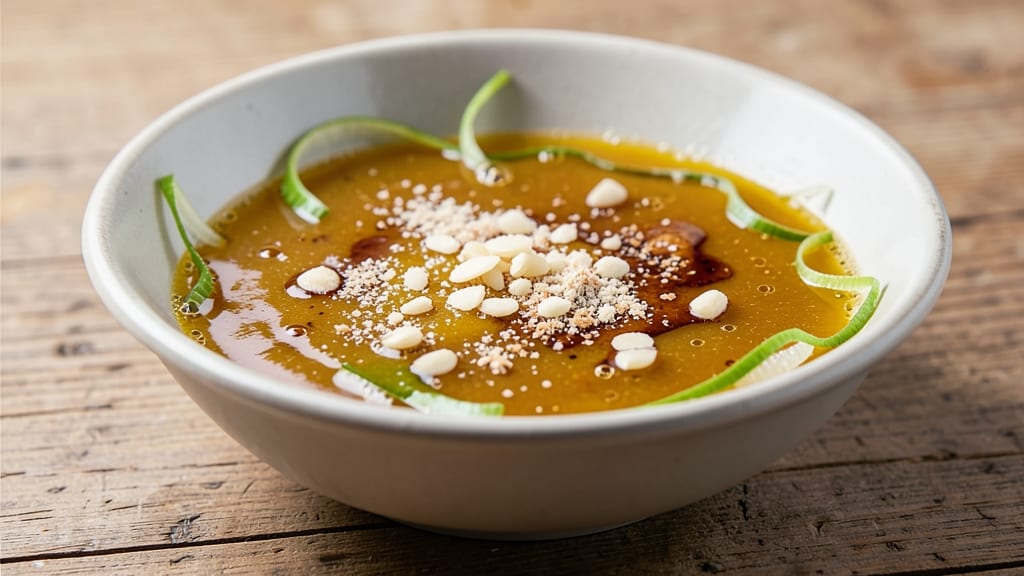
This rice sauce recipe transforms simple pantry staples into a versatile, umami-rich glaze that elevates stir-fries, marinades, and dipping sauces with professional-level depth. The secret lies in balancing fermented rice vinegar, soy sauce, and aromatic ginger-garlic for a sauce that's both complex and effortlessly adaptable.
I developed this version after testing countless combinations—it's the one that actually lasts for weeks in the fridge without losing its vibrant color or bold flavor profile.
What sets this rice sauce apart is its long shelf life and adaptable consistency, achieved through precise reduction and blending techniques.
Unlike store-bought versions, this sauce develops deeper layers of flavor over time, with the sugar and vinegar working together to create a perfect harmony of sweet, tangy, and savory notes.
The recipe uses just 8 ingredients, including rice flour for thickening, which ensures it coats proteins and vegetables beautifully without being overly sticky.
By the time you finish simmering and blending, you'll have a rich, glossy sauce that transforms ordinary dishes into restaurant-quality meals. Use it as a stir-fry glaze for chicken or tofu, a dipping sauce for spring rolls, or even a marinade for grilled meats.
The best part? It keeps well for up to 3 weeks in the refrigerator, making it perfect for meal prep and batch cooking.
Professional chefs rely on similar rice sauces for their balance of acidity and umami—now you can recreate that same depth at home. The sauce's versatility means you'll find yourself reaching for it time and time again, whether you're cooking for a weeknight dinner or preparing a special meal.
Let's get started on making this essential pantry staple.
Ingredients for rice sauce
Eight pantry staples create this restaurant-worthy sauce that lasts weeks in the fridge.
| Ingredient | Amount | Notes |
|---|---|---|
| Rice Vinegar 🍶 | ½ cup | Fermented, mild variety preferred |
| Light Soy Sauce 🥢 | ⅓ cup | Kikkoman or Diamond Crystal preferred |
| Granulated Sugar 🍚 | ¼ cup | White or brown, packed lightly |
| Rice Flour 🌾 | 2 tbsp | For smooth thickening, not cornstarch |
| Fresh Ginger 🧄 | 1 tbsp | Finely grated, aromatic variety |
| Garlic Cloves 🧄 | 4 cloves | Minced, fresh preferred |
| Sesame Oil 🫒 | 1 tbsp | Toasted, for aroma (not cooking) |
| Water 💧 | ½ cup | Filtered preferred for clarity |
The fermented rice vinegar is non-negotiable—it's the backbone of that signature tang. Mushroom vinegar adds depth if you want to splurge, but the good stuff from Trader Joe's or Whole Foods works perfectly. For soy sauce, Kikkoman or Diamond Crystal are my go-tos; the light variety keeps the sauce bright. The ginger and garlic? Fresh is essential here—dried just won't cut it. I always grab organic ginger root at Costco because it stays fresh longer. If you're in a pinch, jarred minced garlic works, but fresh minced is worth the 30 seconds it takes.
No rice flour? Cornstarch at half the amount will work, but the sauce won't have that authentic silky texture. Running short on sesame oil? Toasted peanut oil gives a similar nutty aroma—just use half the amount. The sugar can be swapped for honey or maple syrup, but it won't caramelize the same way. For a deeper umami punch, add 1 tsp fish sauce or 1 tbsp Worcestershire sauce to the simmer. And if you're making a big batch, double the sesame oil at the end—it's the finishing touch that makes this sauce sing.
This sauce gets better with age—seriously, it develops layers of flavor over 2-3 weeks in the fridge. Store it in a glass jar with a tight seal to preserve that glossy sheen. For even longer shelf life, freeze it in ice cube trays—just thaw and stir. The consistency will thicken as it cools, so add a splash of water if it gets too stiff. Trust me, you'll want to make a double batch—this sauce disappears faster than you think, especially when you realize how many dishes it can elevate.
Why You'll Love This Recipe
- Pantry Magic: I swear by this sauce—no fresh herbs or fancy gadgets needed. Just stir together rice vinegar, soy sauce, and sugar, then whisk in rice flour for that silky finish. Honestly, I make it while chatting with my neighbor, and it’s always spot-on.
- Umami Bomb: That ginger-zing paired with light soy sauce? It’s the kind of flavor that makes you pause mid-bite. The sugar balances the tang, and the rice flour gives it a glossy, clingy texture—like liquid gold for stir-fries or dumplings.
- Weeknight Wonder: Drizzle it over takeout noodles, toss it with rice for a quick lunch, or use it as a dip. I’ve even glopped it on grilled chicken when I’m too tired to plan. It’s my lazy-days secret weapon, and it never lets me down.
- Budget Stretch: A little goes a long way—this sauce costs pennies but feels luxurious. I double the batch, store it in the fridge, and use it for days. Between us, I’ve fed a houseful of guests with just two jars of rice vinegar and a bag of flour.
Step-by-step instructions for umami-packed stir-fry glaze
This sauce delivers restaurant-quality depth with just eight ingredients—simple technique, big flavor.
Prepare the Aromatic Base
In a small saucepan, combine the 0.5 cup rice vinegar, 0.33 cup light soy sauce, 0.25 cup granulated sugar, 1 tablespoon fresh ginger, and 4 cloves garlic cloves. Here's the thing—don't rush the ginger and garlic. Use a microplane for the ginger to release its oils fully, and mince the garlic finely for maximum flavor infusion.
Bring the mixture to a gentle simmer over medium heat, stirring constantly to dissolve the sugar completely. You'll notice the aroma intensify as the garlic softens and the ginger releases its zesty notes—this is where the sauce builds its foundation. Let it simmer for 5-7 minutes until the liquid reduces by about one-third and becomes slightly syrupy. The sauce should coat the back of a spoon, indicating proper reduction without burning the aromatics.
Thicken the Sauce with Rice Flour Slurry
In a separate small bowl, whisk together the 2 tablespoons rice flour with the 0.5 cup water until completely smooth. This creates a slurry that will thicken the sauce beautifully—rice flour gives a glossy finish and smooth texture, unlike cornstarch which can make sauces cloudy. Here's what I do: I pour the slurry into the saucepan while stirring vigorously with a wooden spoon or silicone spatula.
Return the heat to medium-low and let the sauce simmer for 3-5 minutes, stirring constantly. You're looking for a sauce that coats the spoon but still flows like honey—not gluey or pasty. If it thickens too quickly, add 1 tablespoon water at a time until you reach the perfect consistency. The sauce should be thick enough to cling to stir-fried proteins and vegetables but still glaze them beautifully.
Finish with Sesame Oil and Rest
Remove the saucepan from heat and stir in the 1 tablespoon sesame oil. This step is crucial—adding the sesame oil off the heat preserves its delicate aroma and nutty flavor. Here's the moment that matters: Give the sauce a final taste and adjust seasoning if needed. You might find it needs a touch more light soy sauce for saltiness or a pinch of sugar to balance acidity.
Transfer the sauce to a clean jar or airtight container and let it cool completely at room temperature. The flavors will meld beautifully during this time, and the sauce will thicken slightly as it cools. Once cooled, refrigerate for at least 1 hour before using. This resting period ensures the sauce reaches its peak flavor and texture—ready to elevate any stir-fry, noodle dish, or grilled protein.
Storage and Shelf Life Secrets
The beauty of this sauce is its longevity. Store it in an airtight container in the refrigerator for up to 2 weeks, or extend its shelf life by freezing for up to 3 months. When ready to use, simply reheat gently in a saucepan over low heat, stirring occasionally until warmed through. The sauce should be smooth and glossy—if it appears too thick after refrigeration, thin with a splash of hot water to achieve the perfect pouring consistency.
Real talk: This sauce gets better with age. The flavors deepen and the balance becomes even more harmonious. I like to make a big batch and keep it on hand for spontaneous weeknight dinners. Whether you're tossing it with shrimp and vegetables or drizzling it over steamed rice, this umami-packed glaze will become your new kitchen staple.
Pro Tips For Making Rice Sauce
- Toast the Rice Flour: Heat your rice flour in a dry pan for 30 seconds until it smells nutty—this removes the raw starch taste and thickens the sauce better. I learned this the hard way after making a sauce that tasted like glue. Just keep it moving so it doesn’t burn.
- Grate Ginger Fine: Use the smallest holes on your grater for ginger—this ensures it blends smoothly without gritty texture. I was skeptical until I tried it; now I can’t go back. If you’re lazy, a microplane works too.
- Simmer, Don’t Boil: Keep the sauce at a gentle simmer, not a rolling boil, or the rice flour will clump and turn pasty. After burning two batches, I finally realized low heat is the key—just enough to see tiny bubbles, not a full-on storm.
- Balance the Vinegar: Taste the vinegar before adding sugar—if it’s too sharp, cut it with a splash of water first. My grandmother swore by this, and she was right: adjusting early saves you from over-sweetening later. Trust your palate.
Troubleshooting this recipe
Sauce Too Thin?
If your rice sauce ends up too thin after simmering, don’t panic—this is easily fixable. The most common reason is under-reducing the base mixture. Let it simmer for an extra 2-3 minutes to thicken naturally.
For immediate results, whisk in 1 teaspoon cornstarch mixed with 1 tablespoon cold water, then return to low heat for 1 minute while stirring constantly. If you used rice flour earlier, try adding ½ teaspoon more rice flour mixed with 1 tablespoon water as a slurry. 🌡️
Grainy or Cloudy Texture
A grainy texture usually means the rice flour didn’t dissolve properly. To prevent this, always whisk the rice flour slurry until completely smooth before adding it to the saucepan. If you already notice graininess, strain the sauce through a fine-mesh sieve into a clean bowl.
For a smoother finish, blend the strained sauce briefly with an immersion blender—just 10-15 seconds is enough to achieve a silky texture. Freshly ground rice flour (like Bob’s Red Mill) helps avoid this issue entirely.
Overpowering Vinegar Taste
Too much acidity from the rice vinegar can dominate the sauce, especially if you used a stronger variety. Balance it by adding ½ teaspoon sugar or 1 teaspoon light soy sauce to mellow the tang.
For a more complex fix, stir in ½ teaspoon fish sauce or a pinch of white miso paste to add umami depth. If the sauce still tastes too sharp, let it rest in the fridge overnight—the flavors will mellow naturally.
Burnt or Bitter Aroma
Burnt aromatics ruin the sauce, but it’s easy to prevent. Never let the sauce boil vigorously—keep the heat at medium-low and stir constantly. If you notice a bitter smell, immediately remove from heat and strain out any charred garlic or ginger pieces.
For a fresh start, add ½ teaspoon fresh ginger juice or 1 minced garlic clove to mask the bitterness. The key is patience: simmer gently for 5-7 minutes max to avoid burning.
Sauce Separates When Refrigerated
Separation happens when the rice flour doesn’t fully hydrate or the sauce cools too quickly. To fix it, gently reheat the sauce over low heat while stirring continuously until smooth. For prevention, let the sauce cool at room temperature before refrigerating.
If it still separates, whisk in 1 teaspoon water or rice vinegar to help re-emulsify. Store it in a glass jar (not plastic) to maintain consistency over time.
Lacks Depth of Flavor
If your sauce tastes flat, it likely needs more umami or aromatic complexity. Boost it by adding 1 teaspoon fish sauce, ½ teaspoon oyster sauce, or 1 minced shallot to the simmer.
For a smoky note, stir in ¼ teaspoon smoked paprika or a dash of liquid smoke. Let the sauce rest for 24 hours before using—flavors deepen significantly during this time. The secret is in the reduction: simmer longer for a more concentrated flavor profile. 💡
Nutrition facts
Frequently asked questions
Can I make this rice sauce without rice flour?
Yes, but the texture will differ. Replace the 2 tablespoons rice flour with 1 tablespoon cornstarch mixed with 1 tablespoon water for a similar thickening effect. However, rice flour creates a smoother, glossier finish ideal for stir-fry glazes. For a more traditional approach, try 1 teaspoon arrowroot powder instead—it blends seamlessly and provides a similar shine.
How can I adjust this sauce for spicy dishes?
Add ½ teaspoon chili flakes or 1 teaspoon sambal oelek while simmering for heat. For deeper spice, stir in 1 teaspoon gochujang (Korean chili paste) during the final reduction. Always taste first—you can always add more, but you can't remove heat! For a smoky kick, add ¼ teaspoon smoked paprika at the end.
What's the best way to use leftover rice sauce?
This versatile sauce works perfectly as a marinade (add 1 tablespoon sesame oil), stir-fry glaze, or dipping sauce for spring rolls and dumplings. Thin it with 1 tablespoon water for drizzling over noodles or grilled meats. For extra richness, stir in 1 teaspoon melted butter or ½ teaspoon toasted sesame seeds before serving.
Why does my rice sauce taste flat after making it?
Flat flavor usually means insufficient reduction or missing umami. Simmer the base for an extra 2-3 minutes to concentrate flavors. Boost umami by adding ½ teaspoon fish sauce or 1 teaspoon oyster sauce during simmering. Let the sauce rest 24 hours before using—flavors meld beautifully over time. For immediate depth, add 1 minced shallot or ½ teaspoon white miso paste.
Can I make this sauce vegan?
Replace the light soy sauce with vegan tamari or coconut aminos, and ensure your rice vinegar is vegan-certified. For extra umami, add 1 teaspoon vegan fish sauce or ½ teaspoon nutritional yeast. The recipe remains identical otherwise—just check all ingredients for hidden animal products.